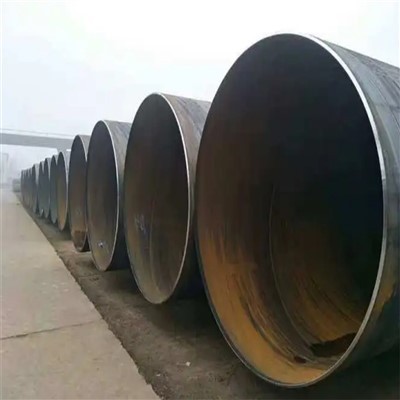
Hey there! As a supplier of Resistance Welded Pipe, I've seen firsthand how crucial proper storage is. It can make or break the quality of these pipes, and that's something we all want to avoid. So, let's dive into how you can store Resistance Welded Pipe properly.
1. Choose the Right Location
First things first, you need to pick the right spot to store your pipes. The location should be dry, well - ventilated, and protected from the elements. Moisture is the enemy of Resistance Welded Pipe. It can cause rust and corrosion, which will weaken the pipes over time.
A warehouse is often a great choice. It provides a controlled environment where you can keep the pipes safe. If you don't have a warehouse, a covered area with good drainage can also work. Just make sure it's not in a low - lying area where water can pool.
Also, keep the storage area away from any sources of chemicals or pollutants. These substances can react with the pipe's surface and cause damage. For example, if there are any nearby industrial processes that release acidic fumes, it's best to find a different location.
2. Prepare the Storage Surface
The surface where you place the pipes matters a lot. It should be flat and stable. Uneven surfaces can cause the pipes to bend or deform, especially if they are stacked.
You can use wooden pallets to elevate the pipes off the ground. This helps prevent direct contact with moisture on the floor. Make sure the pallets are in good condition and can support the weight of the pipes.
If you're storing the pipes outdoors on a concrete surface, consider using a layer of gravel or sand first. This can improve drainage and reduce the risk of water accumulating around the pipes.
3. Stacking the Pipes
When it comes to stacking Resistance Welded Pipe, there are some rules you need to follow. First, always stack the pipes in a way that they are stable. You don't want them to topple over.
Start by laying a base layer of pipes parallel to each other. Then, stack the next layer perpendicular to the first one. This cross - stacking method provides better stability.
Don't stack the pipes too high. Over - stacking can put too much pressure on the bottom layers, causing them to deform. As a general rule, limit the height of the stack based on the diameter and wall thickness of the pipes. For smaller diameter pipes, you can stack them a bit higher, but for larger ones, keep the stack lower.
Also, make sure to leave some space between the stacks. This allows for better air circulation, which helps prevent moisture buildup.
4. Protecting the Pipes
To keep your Resistance Welded Pipe in top condition, you need to protect them from physical damage. When handling the pipes, use proper lifting equipment like cranes or forklifts. Make sure the lifting slings or forks are padded to prevent scratching the pipe's surface.
You can also use protective coatings on the pipes. Some pipes come with a factory - applied coating, but if not, you can apply a rust - preventive paint or a wax - based coating. This will create a barrier between the pipe and the environment, reducing the risk of corrosion.
Another way to protect the pipes is to cover them with a tarp or a plastic sheet. This is especially important if they are stored outdoors. The cover will shield the pipes from rain, snow, and sunlight. Just make sure the cover is secured properly so it doesn't blow off.
5. Organizing the Pipes
Organization is key when it comes to storing Resistance Welded Pipe. Label each stack with information such as the pipe's diameter, wall thickness, length, and grade. This makes it easier to find the right pipes when you need them.
You can also group the pipes by their intended use. For example, if you have some pipes that are for structural applications and others for mechanical purposes, keep them separate. This helps streamline your inventory management.
Regularly check your inventory to make sure everything is in order. Look for any signs of damage or corrosion and take action immediately.
Specific Considerations for Different Types of Resistance Welded Pipe
S275JR Box Section
S275JR Box Section is a popular type of Resistance Welded Pipe. It's often used in construction projects. When storing this type of pipe, pay extra attention to preventing dents and scratches. The box shape makes it a bit more prone to damage during handling.
Make sure to stack the S275JR Box Section carefully, as any deformation can affect its structural integrity. Also, since it's used in outdoor construction, keep it well - protected from the elements to avoid rust.
JIS G3445 Mechanical Tubes
JIS G3445 Mechanical Tubes are used in mechanical applications. These tubes need to have a smooth surface and accurate dimensions. So, when storing them, avoid any contact with rough or abrasive surfaces.


Keep them in a clean environment to prevent any contaminants from getting inside the tubes. This can affect their performance in mechanical systems.
EN10217 - 1 P235TR2 Steel Pipe
EN10217 - 1 P235TR2 Steel Pipe is commonly used in various industries. It has specific requirements for storage. Make sure to store it away from any sources of heat, as high temperatures can affect its mechanical properties.
Also, since it's a steel pipe, it's important to monitor it regularly for signs of rust. Apply additional rust - preventive measures if needed.
Conclusion
Proper storage of Resistance Welded Pipe is essential for maintaining its quality and performance. By choosing the right location, preparing the storage surface, stacking the pipes correctly, protecting them from damage, and organizing your inventory, you can ensure that your pipes are in great condition when it's time to use them.
If you're in the market for high - quality Resistance Welded Pipe, whether it's S275JR Box Section, JIS G3445 Mechanical Tubes, or EN10217 - 1 P235TR2 Steel Pipe, I'm here to help. Just reach out, and we can start a conversation about your specific needs.
References
- ASTM International standards on steel pipe storage
- Industry best practices from the Resistance Welded Pipe manufacturing community