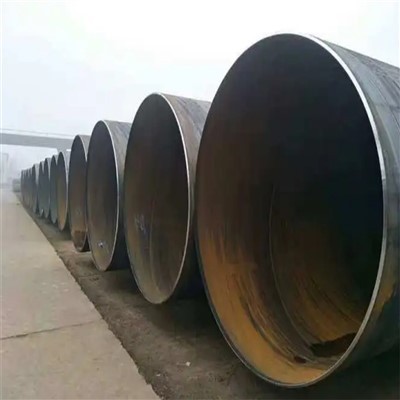
In the contemporary era, environmental sustainability has emerged as a crucial concern across all industries. As a carbon steel tube supplier, I constantly grapple with the question: Are carbon steel tubes environmentally friendly? This blog post aims to delve into this topic, examining the environmental impact of carbon steel tubes from production to end - of - life, and exploring their potential as an eco - friendly solution.
Production Process and Environmental Impact
The production of carbon steel tubes starts with the extraction of iron ore, a process that has significant environmental implications. Mining operations can lead to deforestation, soil erosion, and water pollution. The removal of large amounts of earth to access the ore disrupts natural habitats and can cause long - term ecological damage.
Once the iron ore is extracted, it is processed in blast furnaces at extremely high temperatures. This process consumes vast amounts of energy, primarily from fossil fuels such as coal. The burning of coal releases large quantities of greenhouse gases, including carbon dioxide, which is a major contributor to global warming. Additionally, the production process generates various pollutants, such as sulfur dioxide and particulate matter, which can have detrimental effects on air quality and human health.
However, the steel industry has made substantial progress in reducing its environmental footprint. Advanced technologies have been developed to improve energy efficiency in steel production. For example, the use of electric arc furnaces (EAFs) has become more widespread. EAFs can recycle scrap steel, which requires significantly less energy compared to producing steel from raw materials. Recycling scrap steel in EAFs can reduce energy consumption by up to 75% and lower greenhouse gas emissions by approximately 50% [1]. As a carbon steel tube supplier, we are increasingly incorporating recycled steel into our production processes to minimize the environmental impact.
Material Properties and Environmental Advantages
Carbon steel tubes possess several properties that contribute to their environmental friendliness. Firstly, carbon steel is highly durable. It can withstand harsh environmental conditions, including extreme temperatures, pressure, and corrosion. This durability means that carbon steel tubes have a long service life, reducing the need for frequent replacements. For instance, in infrastructure projects such as water pipelines and building structures, carbon steel tubes can last for decades, minimizing waste generation.
Secondly, carbon steel is 100% recyclable. At the end of its useful life, a carbon steel tube can be melted down and reused to produce new steel products. Recycling steel not only conserves natural resources but also reduces the energy required for production. According to the World Steel Association, recycling one ton of steel can save approximately 1.1 tons of iron ore, 0.6 tons of coal, and 5.8 cubic meters of water [2].
Carbon steel tubes are also versatile and can be used in a wide range of applications. They are commonly used in industries such as construction, automotive, and energy. In the construction industry, carbon steel tubes are used for structural support, scaffolding, and piping systems. In the automotive industry, they are used in the manufacturing of vehicle frames and exhaust systems. Their versatility means that a single type of material can serve multiple purposes, reducing the demand for different materials and thus minimizing the overall environmental impact.
Applications and Environmental Considerations
In the context of different applications, carbon steel tubes can have varying environmental impacts. For example, in the energy sector, carbon steel tubes are used in Welded Steel Pipe applications for oil and gas transportation. While these tubes are essential for the energy infrastructure, the extraction and transportation of fossil fuels have significant environmental consequences. However, carbon steel tubes can also be used in renewable energy projects, such as geothermal and solar power plants. In geothermal power plants, carbon steel tubes are used to transfer hot water or steam from the underground reservoir to the power generation unit. These applications contribute to the shift towards clean energy sources, reducing reliance on fossil fuels.


In the heat exchanger industry, Finned Tube Heat Exchangers made of carbon steel are widely used. Heat exchangers are devices that transfer heat between two or more fluids. Carbon steel's high thermal conductivity makes it an ideal material for heat exchangers. By improving the efficiency of heat transfer, these heat exchangers can reduce energy consumption in industrial processes and heating and cooling systems.
Another important application is in the manufacturing of corrosion - resistant components. The Corrosion - Resistant 17 - 4PH Steel Grade is a type of carbon steel that offers excellent corrosion resistance. This grade of steel can be used in environments where corrosion is a major concern, such as marine and chemical industries. By using corrosion - resistant carbon steel tubes, the need for frequent maintenance and replacement is reduced, which in turn minimizes waste and energy consumption.
End - of - Life Management
Proper end - of - life management is crucial for ensuring the environmental friendliness of carbon steel tubes. As mentioned earlier, carbon steel is highly recyclable. However, for effective recycling, it is essential to have a well - established recycling infrastructure. In many regions, there are recycling facilities that can handle steel products. These facilities collect, sort, and process scrap steel to be reused in the steel production process.
As a carbon steel tube supplier, we encourage our customers to recycle our products at the end of their useful life. We also work with recycling partners to ensure that the scrap steel is properly processed and returned to the production cycle. By promoting recycling, we can close the loop on the steel life cycle and reduce the environmental impact associated with steel production.
Conclusion
In conclusion, the question of whether carbon steel tubes are environmentally friendly is not straightforward. The production process of carbon steel tubes has historically had significant environmental impacts, including high energy consumption and greenhouse gas emissions. However, the steel industry has made remarkable progress in reducing its environmental footprint through the adoption of advanced technologies and the increased use of recycled materials.
Carbon steel tubes offer several environmental advantages, such as durability, recyclability, and versatility. Their long service life reduces the need for frequent replacements, and their recyclability conserves natural resources and reduces energy consumption. In addition, carbon steel tubes can be used in a variety of applications, including renewable energy projects, which contribute to the transition towards a more sustainable future.
As a carbon steel tube supplier, we are committed to promoting environmental sustainability. We continuously invest in research and development to improve the environmental performance of our products and production processes. We believe that by working together with our customers and partners, we can make carbon steel tubes an even more environmentally friendly option.
If you are interested in learning more about our carbon steel tubes or would like to discuss potential procurement opportunities, please feel free to reach out. We are eager to engage in discussions and provide you with high - quality, sustainable carbon steel tube solutions.
References
[1] World Steel Association. "The Steel Industry's Contribution to a Sustainable Future."
[2] World Steel Association. "Recycling Steel: A Key to Sustainability."