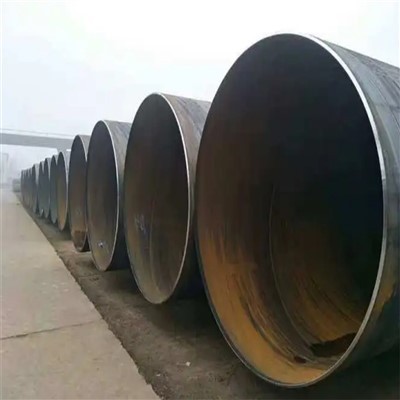
As a supplier of straight seam steel pipes, I've seen firsthand the ins and outs of this market. It's a dynamic industry, but like any other, it comes with its fair share of potential challenges. In this blog, I'll break down some of the key issues that we, as straight seam steel pipe suppliers, often face.
1. Intense Competition
The straight seam steel pipe market is incredibly competitive. There are so many suppliers out there, all vying for the same customers. This competition drives prices down, which can be tough on our profit margins. To stand out, we need to offer high - quality products, but even that's not always enough. Customers are constantly looking for the best deal, and it's a never - ending battle to keep up.
For example, when it comes to Premium X20CrMoV121 Pipes For Thermal Power Plants, there are multiple suppliers in the market. Each one claims to have the best quality and the most reasonable price. We have to work hard to prove that our pipes are not only of high quality but also offer value for money.
2. Fluctuating Raw Material Prices
The cost of raw materials used in straight seam steel pipe production, such as iron ore and coal, can be extremely volatile. When the prices of these raw materials go up, our production costs increase significantly. But we can't always pass these increased costs on to our customers. If we do, we risk losing them to competitors who may be able to offer lower prices.
Let's say the price of iron ore spikes suddenly. This means we have to pay more to produce the same amount of straight seam steel pipes. But if we raise our prices too much, customers may start looking for alternative suppliers. It's a delicate balance, and we have to keep a close eye on the raw material market to make informed decisions about pricing and production.
3. Stringent Quality and Regulatory Requirements
The straight seam steel pipe industry is subject to a wide range of quality and regulatory requirements. These standards are in place to ensure the safety and reliability of the pipes, which is crucial, especially in applications like oil and gas transportation or construction. Meeting these requirements can be a challenge, as they often involve complex testing and certification processes.
For instance, Straight Seam Welded API 5L X42 Steel Pipe has to meet the API 5L standard. This standard sets out strict requirements for the chemical composition, mechanical properties, and welding quality of the pipes. Any non - compliance can lead to product recalls, legal issues, and damage to our reputation. We have to invest a lot of time and resources in quality control to make sure our products meet these standards.
4. Technological Advancements
The steel industry is constantly evolving, and new technologies are emerging all the time. While these advancements can bring opportunities, they also pose challenges. We need to keep up with the latest technologies to improve our production processes, enhance product quality, and reduce costs. But implementing new technologies can be expensive and time - consuming.
For example, there are new welding technologies that can improve the strength and durability of straight seam steel pipes. However, to adopt these technologies, we need to invest in new equipment, train our staff, and make changes to our production lines. Not all suppliers have the financial resources or the technical expertise to do this quickly, which can put them at a disadvantage in the market.
5. Global Economic Uncertainty
The global economy has a significant impact on the straight seam steel pipe market. Economic downturns can lead to a decrease in demand for steel pipes, especially in industries like construction and manufacturing. When the economy is slow, companies may delay or cancel projects, which means less need for our products.
On the other hand, trade disputes and tariffs can also disrupt the market. For example, if there are tariffs imposed on steel imports or exports, it can make our products more expensive in foreign markets or make it harder for us to source raw materials. This uncertainty makes it difficult for us to plan our production and sales strategies.
6. Environmental Concerns
There is growing awareness of environmental issues, and the steel industry is under pressure to reduce its environmental impact. We need to comply with strict environmental regulations, which can increase our production costs. For example, we have to invest in pollution control equipment to reduce emissions and waste.
Moreover, customers are increasingly looking for environmentally friendly products. They want to know that the steel pipes they buy are produced in an eco - friendly way. This means we have to not only meet the environmental standards but also communicate our environmental efforts to our customers.
7. Changing Customer Demands
Customer demands are constantly changing. They are looking for more customized products, shorter delivery times, and better after - sales service. Meeting these demands requires us to be flexible and adaptable.
For example, some customers may need Q345 GRA GRB GRC GRD GRE LSAW Pipe with specific dimensions or properties. We need to be able to produce these customized pipes quickly and efficiently. If we can't meet their requirements, they will go to other suppliers who can.


Despite these challenges, the straight seam steel pipe market also offers many opportunities. There is still a strong demand for steel pipes in various industries, and if we can overcome these challenges, we can thrive in the market.
If you're in the market for straight seam steel pipes, I encourage you to get in touch with us. We're committed to providing high - quality products, excellent customer service, and competitive prices. Whether you need pipes for a small project or a large - scale industrial application, we can work with you to find the right solution.
References
- Industry reports on the global steel market
- Research papers on steel production technologies
- News articles on environmental regulations in the steel industry