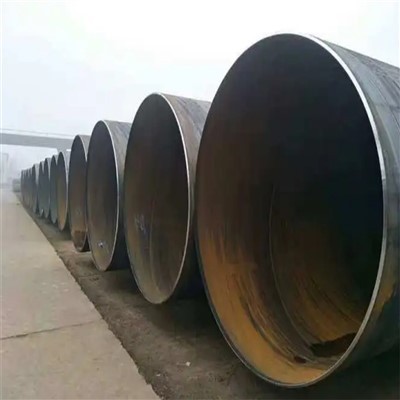
Sound insulation is a crucial consideration in many construction and industrial applications. As a supplier of Electrofusion Welded Pipe, I often receive inquiries about the sound - insulation performance of our products. In this blog, I will delve into the factors that affect the sound - insulation performance of electrofusion welded pipes and how our products stack up in this regard.
Understanding Sound Transmission and Insulation
Before we discuss the sound - insulation performance of electrofusion welded pipes, it's essential to understand the basic principles of sound transmission. Sound is a form of energy that travels through various media, such as air, water, and solids, in the form of waves. When sound waves encounter an object, they can be reflected, absorbed, or transmitted through it.
Sound insulation refers to the ability of a material or structure to reduce the transmission of sound from one side to the other. The effectiveness of sound insulation is typically measured in decibels (dB). A higher decibel rating indicates better sound - insulation performance.
Factors Affecting the Sound - Insulation Performance of Electrofusion Welded Pipes
Material Composition
The material used to manufacture electrofusion welded pipes plays a significant role in their sound - insulation performance. Different materials have different acoustic properties, which determine how they interact with sound waves.
For example, steel pipes are commonly used in electrofusion welding. Steel is a dense material, and its high density helps to block the transmission of sound waves to some extent. However, the sound - insulation performance of steel pipes can be enhanced by adding insulation materials around them.
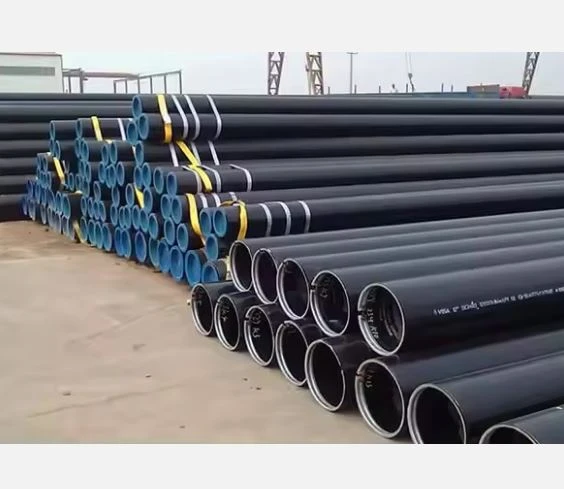
Our company offers a variety of electrofusion welded pipes, such as the A691 3CR CLASS43 TUBE and the A358 TP316L EFW Welded Pipe. These pipes are made from high - quality steel, which provides a certain level of sound - insulation due to the material's density.
Wall Thickness
The wall thickness of electrofusion welded pipes also affects their sound - insulation performance. Thicker walls generally offer better sound insulation because they provide more mass for the sound waves to penetrate. When sound waves encounter a thicker wall, more energy is absorbed or reflected, resulting in less sound transmission.
However, increasing the wall thickness also has its limitations. It can increase the cost of the pipes and may not always be practical in certain applications. Therefore, a balance needs to be struck between sound - insulation requirements and other factors such as cost and installation feasibility.
Pipe Size and Shape
The size and shape of electrofusion welded pipes can influence their sound - insulation performance. Larger diameter pipes tend to have better sound - insulation properties compared to smaller ones. This is because larger pipes have more surface area and mass, which can absorb and reflect more sound energy.
The shape of the pipe can also play a role. Pipes with irregular shapes or internal structures may scatter sound waves, reducing their transmission. For instance, pipes with corrugated interiors can disrupt the path of sound waves, enhancing the overall sound - insulation effect.

Insulation Materials
Adding insulation materials around electrofusion welded pipes is an effective way to improve their sound - insulation performance. Insulation materials work by absorbing the sound energy and converting it into heat energy.
Common insulation materials used for pipes include fiberglass, mineral wool, and foam. These materials have high porosity, which allows them to trap air and provide good sound - absorption properties. When applied to electrofusion welded pipes, they can significantly reduce the transmission of sound.
Sound - Insulation Performance of Our Electrofusion Welded Pipes
At our company, we understand the importance of sound insulation in various applications. We have conducted extensive research and testing to optimize the sound - insulation performance of our electrofusion welded pipes.
Our A691 11/4CR CLASS11 TUBE is designed with a suitable wall thickness and high - quality steel material to provide a basic level of sound insulation. For applications where higher sound - insulation requirements are needed, we offer insulation solutions that can be customized according to the specific needs of our customers.
We use advanced manufacturing processes to ensure the uniformity and quality of our pipes. This not only guarantees the structural integrity of the pipes but also helps to maintain consistent sound - insulation performance.
Applications and Benefits of Sound - Insulated Electrofusion Welded Pipes
Building Construction
In building construction, electrofusion welded pipes with good sound - insulation performance are widely used in plumbing and HVAC systems. These pipes can reduce the noise generated by the flow of water or air, creating a more comfortable indoor environment. For example, in residential buildings, sound - insulated pipes can prevent the noise from plumbing systems from disturbing the occupants.
Industrial Settings
In industrial settings, electrofusion welded pipes are used in various processes. Sound - insulated pipes can reduce the noise pollution caused by the operation of industrial equipment. This is especially important in factories and manufacturing plants where workers are exposed to high - level noise for extended periods.
Contact Us for Procurement and Consultation
If you are interested in our electrofusion welded pipes and their sound - insulation performance, we invite you to contact us for procurement and consultation. Our team of experts is ready to assist you in selecting the right pipes and insulation solutions for your specific needs. Whether you are working on a small - scale building project or a large - scale industrial application, we can provide you with high - quality products and professional advice.
References
- Beranek, Leo L. "Acoustics." American Institute of Physics, 1986.
- Fahy, Frank J. "Foundations of Engineering Acoustics." Academic Press, 2001.
- Kinsler, Lawrence E., et al. "Fundamentals of Acoustics." Wiley, 2000.