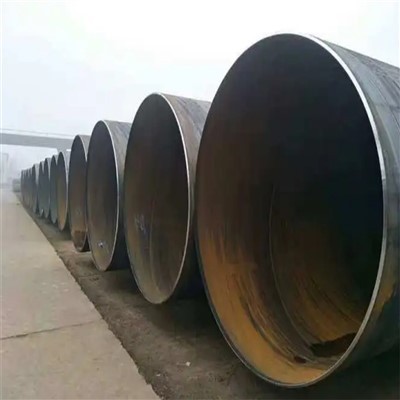
Hey there! I'm a supplier of round pipes, and I know that keeping the inside of these pipes clean is super important. Whether it's for industrial use, plumbing, or any other application, a clean pipe interior can enhance performance and extend the pipe's lifespan. In this blog, I'll share some effective ways to clean the inside of a round pipe.
Why Clean the Inside of Round Pipes?
Before we jump into the cleaning methods, let's talk about why it's necessary. Over time, pipes can accumulate dirt, debris, rust, and even bacteria. This buildup can reduce the flow rate of fluids or gases passing through the pipe, cause blockages, and in some cases, contaminate the substances being transported. For instance, in a water supply system, dirty pipes can affect the water quality. In an industrial setting, a clogged pipe can lead to production delays and increased maintenance costs.
Tools and Materials You'll Need
To clean the inside of a round pipe, you'll need a few basic tools and materials. Here's a list to get you started:
- Pipe Brushes: These come in various sizes to fit different pipe diameters. You can find them at your local hardware store.
- Cleaning Solutions: Depending on the type of buildup, you might need different cleaning solutions. For general dirt and grime, a mild detergent mixed with water can do the trick. For rust or more stubborn deposits, you might need a specialized rust remover or an acid-based cleaner. Just make sure to follow the safety instructions on the product label.
- Pressure Washer: This is a great tool for larger pipes or when you need to remove heavy buildup. You can rent a pressure washer if you don't own one.
- Hoses and Nozzles: You'll need hoses to connect the pressure washer to a water source and nozzles to control the water flow and pressure.
- Safety Gear: Always wear safety goggles, gloves, and a mask when using cleaning solutions or operating a pressure washer to protect yourself from chemicals and debris.
Step-by-Step Cleaning Process
Now that you have your tools and materials ready, let's go through the cleaning process step by step.
Step 1: Prepare the Pipe
First, turn off the supply of any fluids or gases running through the pipe. This will prevent any spills or accidents during the cleaning process. If the pipe is part of a larger system, you might need to isolate it by closing valves or disconnecting it from the system.
Step 2: Inspect the Pipe
Take a close look inside the pipe to assess the level of buildup. This will help you determine the best cleaning method and the type of cleaning solution to use. You can use a flashlight or a borescope to get a better view of the pipe interior.
Step 3: Choose the Cleaning Method
There are several ways to clean the inside of a round pipe, and the method you choose will depend on the size of the pipe, the type of buildup, and your available tools.


- Manual Cleaning with a Pipe Brush: This is a simple and effective method for small pipes or light buildup. Insert the pipe brush into the pipe and move it back and forth to scrub the inside walls. You can dip the brush in the cleaning solution for better results.
- Pressure Washing: For larger pipes or heavy buildup, a pressure washer can be very effective. Connect the pressure washer to a water source and adjust the pressure settings according to the type of pipe and the level of buildup. Insert the nozzle into the pipe and slowly move it along the length of the pipe, applying even pressure to remove the dirt and debris.
- Chemical Cleaning: If the pipe has rust or other stubborn deposits, you can use a chemical cleaning solution. Pour the cleaning solution into the pipe and let it sit for the recommended amount of time. Then, flush the pipe with water to remove the solution and the loosened deposits.
Step 4: Rinse the Pipe
After cleaning the pipe, rinse it thoroughly with clean water to remove any remaining cleaning solution and debris. You can use a hose or a pressure washer to flush the pipe from one end to the other. Make sure to rinse the pipe until the water runs clear.
Step 5: Dry the Pipe
Once you've rinsed the pipe, dry it to prevent rust and corrosion. You can use a clean cloth or a compressed air gun to remove any excess water from the pipe interior.
Special Considerations for Different Pipe Materials
Different pipe materials require different cleaning methods and precautions. Here are some tips for cleaning round pipes made of common materials:
- Stainless Steel Pipes: Stainless steel is a durable and corrosion-resistant material, but it can still accumulate dirt and grime. For general cleaning, you can use a mild detergent and a soft cloth or brush. Avoid using abrasive cleaners or tools that can scratch the surface of the pipe. If you need to remove rust or stains, you can use a specialized stainless steel cleaner. Check out our Stainless Steel Pipe 310S and High-Quality 316 Stainless Steel Pipes for high-quality options.
- Copper Pipes: Copper pipes are commonly used in plumbing systems. To clean copper pipes, you can use a mixture of vinegar and salt or a commercial copper cleaner. Apply the cleaner to the pipe and let it sit for a few minutes before rinsing it off. Avoid using abrasive cleaners or tools that can damage the copper surface.
- PVC Pipes: PVC pipes are lightweight and easy to install, but they can be damaged by certain chemicals. For general cleaning, you can use a mild detergent and water. Avoid using solvents or cleaners that contain harsh chemicals, as they can cause the PVC to crack or warp.
Preventive Maintenance Tips
To keep the inside of your round pipes clean and prevent future buildup, here are some preventive maintenance tips:
- Regular Inspections: Check the pipes periodically for signs of dirt, debris, or damage. Catching problems early can prevent them from becoming more serious.
- Proper Installation: Make sure the pipes are installed correctly to avoid any kinks or bends that can trap dirt and debris.
- Filter Systems: Install filter systems at the inlet of the pipes to remove dirt, sediment, and other particles before they enter the pipes.
- Flush the Pipes: Periodically flush the pipes with clean water to remove any loose dirt and debris.
Conclusion
Cleaning the inside of a round pipe is an important maintenance task that can improve the performance and lifespan of your pipes. By following the steps and tips outlined in this blog, you can keep your pipes clean and functioning properly. If you're in the market for high-quality round pipes, we've got you covered. Check out our a312 a213 a249 Tp317 Seamless Steel Pipe and other great options. If you have any questions or want to discuss your pipe needs, feel free to reach out. We're here to help you find the best solutions for your projects.
References
- "Pipe Cleaning and Maintenance Guide" - Various industry publications
- "Materials and Their Properties in Pipe Systems" - Academic research on pipe materials