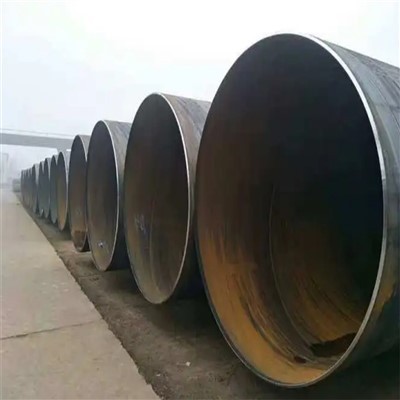
As a supplier of stainless steel tubes, I often encounter inquiries about the differences between duplex and super-duplex stainless steel tubes. These two types of stainless steel tubes are widely used in various industries due to their excellent corrosion resistance and mechanical properties. However, they also have distinct characteristics that make them suitable for different applications. In this blog post, I will delve into the key differences between duplex and super-duplex stainless steel tubes to help you make an informed decision when choosing the right product for your needs.
Composition and Microstructure
The fundamental difference between duplex and super-duplex stainless steel tubes lies in their chemical composition and microstructure. Duplex stainless steel contains a balanced microstructure of approximately 50% ferrite and 50% austenite. This unique structure is achieved through a precise combination of alloying elements, primarily chromium (Cr), nickel (Ni), and molybdenum (Mo). The typical composition of duplex stainless steel includes 21-23% chromium, 4.5-6.5% nickel, and 2-3% molybdenum.
On the other hand, super-duplex stainless steel has a higher alloy content, which results in a more refined microstructure. It typically contains 24-26% chromium, 6-8% nickel, and 3-4% molybdenum. The increased alloying elements in super-duplex stainless steel enhance its corrosion resistance and mechanical strength, making it suitable for more demanding applications.
Corrosion Resistance
One of the most significant advantages of both duplex and super-duplex stainless steel tubes is their excellent corrosion resistance. Duplex stainless steel offers good resistance to general corrosion, pitting, and crevice corrosion in a wide range of environments, including chloride-containing solutions. It is commonly used in applications such as chemical processing, oil and gas, and marine industries.
Super-duplex stainless steel, however, provides superior corrosion resistance compared to duplex stainless steel. Its higher alloy content, especially the increased chromium and molybdenum levels, makes it more resistant to pitting and crevice corrosion in highly aggressive environments. Super-duplex stainless steel is often used in applications where the risk of corrosion is extremely high, such as offshore oil and gas platforms, desalination plants, and chemical refineries.
For example, in a marine environment, where the presence of chloride ions can cause severe corrosion, super-duplex stainless steel tubes can withstand the harsh conditions for a longer period compared to duplex stainless steel tubes. This makes them a preferred choice for marine applications such as seawater handling systems and offshore structures.
Mechanical Properties
Another important aspect to consider when comparing duplex and super-duplex stainless steel tubes is their mechanical properties. Duplex stainless steel has a high strength-to-weight ratio, which means it can withstand high loads while maintaining a relatively low weight. It also has good ductility and toughness, making it suitable for applications that require both strength and flexibility.
Super-duplex stainless steel, on the other hand, offers even higher mechanical strength than duplex stainless steel. Its refined microstructure and higher alloy content contribute to its superior tensile strength, yield strength, and impact resistance. This makes super-duplex stainless steel tubes ideal for applications that require high strength and resistance to deformation, such as pressure vessels and structural components in the oil and gas industry.


Weldability
Weldability is an important factor to consider when using stainless steel tubes in fabrication processes. Both duplex and super-duplex stainless steel tubes have good weldability, but certain precautions need to be taken to ensure the quality of the welds.
Duplex stainless steel can be welded using conventional welding methods, such as gas tungsten arc welding (GTAW) and shielded metal arc welding (SMAW). However, it is important to control the heat input during welding to prevent the formation of undesirable phases, such as sigma phase, which can reduce the corrosion resistance and mechanical properties of the weld.
Super-duplex stainless steel also has good weldability, but it requires more careful control of the welding parameters due to its higher alloy content. Specialized welding consumables and techniques may be required to ensure the integrity of the welds. It is recommended to consult with a qualified welding engineer or supplier when welding super-duplex stainless steel tubes.
Cost
Cost is often a significant factor when choosing between duplex and super-duplex stainless steel tubes. Generally, super-duplex stainless steel tubes are more expensive than duplex stainless steel tubes due to their higher alloy content and more complex manufacturing process.
However, it is important to consider the long-term cost benefits when making a decision. Super-duplex stainless steel tubes may have a higher upfront cost, but their superior corrosion resistance and mechanical properties can result in lower maintenance and replacement costs over the life of the application. In applications where the risk of corrosion is high, the use of super-duplex stainless steel tubes can provide significant cost savings in the long run.
Applications
The choice between duplex and super-duplex stainless steel tubes depends on the specific requirements of the application. Duplex stainless steel tubes are commonly used in a wide range of applications, including:
- Chemical processing equipment
- Oil and gas pipelines
- Water treatment plants
- Food and beverage processing
- Architectural applications
Super-duplex stainless steel tubes, on the other hand, are typically used in more demanding applications where high corrosion resistance and mechanical strength are required, such as:
- Offshore oil and gas platforms
- Desalination plants
- Chemical refineries
- Power generation plants
- Marine structures
Conclusion
In conclusion, duplex and super-duplex stainless steel tubes have distinct characteristics that make them suitable for different applications. Duplex stainless steel offers good corrosion resistance and mechanical properties at a relatively lower cost, making it a popular choice for many industries. Super-duplex stainless steel, on the other hand, provides superior corrosion resistance and mechanical strength, but at a higher cost.
When choosing between duplex and super-duplex stainless steel tubes, it is important to consider the specific requirements of your application, including the environment, corrosion resistance, mechanical properties, and cost. If you need more information or assistance in selecting the right stainless steel tubes for your project, please feel free to contact us. We are a leading supplier of stainless steel tubes, offering a wide range of products, including ASTM A312 TP309S Stainless Steel Welded Pipe and Stainless Steel Seamless Pipe AMS 5566 Resistance Seamless Tube. Our team of experts is dedicated to providing you with the best solutions and support to meet your needs.
References
- ASM Handbook, Volume 13A: Corrosion: Fundamentals, Testing, and Protection. ASM International.
- Stainless Steel World Americas. "Duplex and Super-Duplex Stainless Steels: An Overview."
- NACE International. "Corrosion Basics: An Introduction to Corrosion Control."