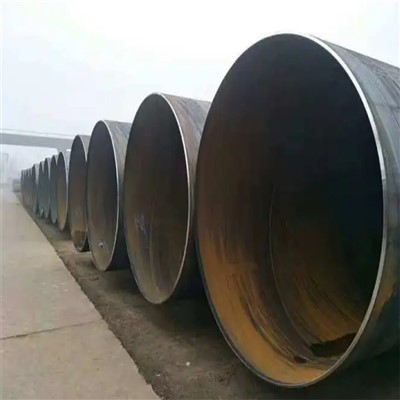
Hey there! As a stainless steel tube supplier, I often get asked about the carbon content in stainless steel tubes. It's a crucial aspect that affects the properties and applications of these tubes. So, let's dive right in and explore what the carbon content in stainless steel tubes really means.
First off, let's understand why carbon is present in stainless steel. Stainless steel is an alloy primarily made up of iron, chromium, and other elements. Carbon is added in small amounts to enhance certain properties. However, the amount of carbon can vary depending on the type of stainless steel.
There are different grades of stainless steel tubes, and each grade has a specific carbon content range. For instance, some austenitic stainless steels, which are known for their excellent corrosion resistance and formability, typically have a relatively low carbon content. This low carbon content helps prevent the formation of chromium carbides, which can reduce the corrosion resistance of the steel.
On the other hand, some martensitic stainless steels may have a higher carbon content. These steels are often used in applications where high strength and hardness are required, such as in cutlery and surgical instruments. The higher carbon content allows for the formation of a harder microstructure through heat treatment.
Now, let's talk about the impact of carbon content on the properties of stainless steel tubes. One of the main effects is on the strength and hardness of the tubes. Generally, as the carbon content increases, the strength and hardness of the stainless steel also increase. However, this comes at the cost of reduced ductility and toughness. So, it's a balancing act when choosing the right carbon content for a specific application.
Another important aspect is the corrosion resistance. As mentioned earlier, a low carbon content is beneficial for maintaining good corrosion resistance. When stainless steel is exposed to certain environments, such as acidic or chloride-containing solutions, the presence of chromium carbides can lead to a phenomenon called sensitization. This can cause the steel to become more susceptible to corrosion. By keeping the carbon content low, we can minimize the risk of sensitization and ensure better long-term performance.
In addition to strength, hardness, and corrosion resistance, the carbon content can also affect the weldability of stainless steel tubes. High carbon content can make the steel more prone to cracking during welding. So, for applications that require welding, it's often necessary to choose a stainless steel grade with a lower carbon content or use appropriate welding techniques to minimize the risk of cracking.
As a stainless steel tube supplier, I offer a wide range of products with different carbon contents to meet the diverse needs of my customers. For example, the ASTM A312 TP309S Stainless Steel Welded Pipe is a popular choice for applications where good corrosion resistance and high temperature strength are required. It has a relatively low carbon content, which makes it suitable for welding and provides excellent performance in various environments.
Another option is the Stainless Steel Seamless Pipe AMS 5566 Resistance Seamless Tube. This seamless pipe is known for its high strength and good corrosion resistance. The carbon content is carefully controlled to ensure optimal properties for applications in the aerospace and automotive industries.
When selecting a stainless steel tube, it's important to consider the specific requirements of your application. Factors such as the operating environment, mechanical properties, and welding requirements all play a role in determining the appropriate carbon content. If you're not sure which grade is right for you, don't hesitate to reach out to me. I have the expertise and experience to help you make the best choice.
In conclusion, the carbon content in stainless steel tubes is a critical factor that affects their properties and performance. By understanding the impact of carbon content on strength, hardness, corrosion resistance, and weldability, you can make an informed decision when choosing a stainless steel tube for your project. Whether you need a tube with low carbon content for excellent corrosion resistance or a higher carbon content for increased strength, I have the products and knowledge to meet your needs.
If you're interested in purchasing stainless steel tubes or have any questions about carbon content or other aspects of stainless steel, feel free to contact me. I'm here to assist you and ensure that you get the best quality products for your applications. Let's work together to find the perfect stainless steel tube solution for you.


References
- ASM Handbook Volume 1: Properties and Selection: Irons, Steels, and High-Performance Alloys
- Metals Handbook Desk Edition, Third Edition