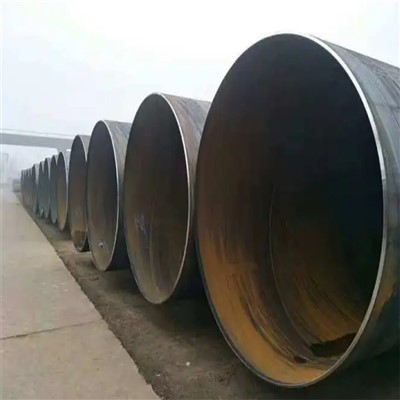
What are the standards for pipe fitting quality?
As a seasoned Pipe Fitting supplier, I've witnessed firsthand the crucial role that high - quality pipe fittings play in various industries. Pipe fittings are the unsung heroes of infrastructure, ensuring the seamless flow of liquids, gases, and other materials. But what exactly are the standards for pipe fitting quality? Let's delve into this topic.
Material Quality
The foundation of a high - quality pipe fitting lies in the material from which it is made. Different applications demand different materials. For instance, in the water supply industry, materials that are corrosion - resistant and non - toxic are essential. Stainless steel is a popular choice due to its excellent corrosion resistance, strength, and durability. It can withstand a wide range of temperatures and pressures, making it suitable for both domestic and industrial water systems.
In the oil and gas industry, carbon steel pipe fittings are often used. They offer high strength and can handle high - pressure applications. However, they need to be properly coated or treated to prevent corrosion. The chemical composition of the material must adhere to specific standards. For example, the carbon content, alloying elements, and impurities should be within a certain range. This ensures that the pipe fitting has the desired mechanical properties such as tensile strength, yield strength, and hardness.
Dimensional Accuracy
Accurate dimensions are vital for pipe fittings. A slight deviation in size can lead to leaks, improper connections, and even system failures. The outer diameter, inner diameter, wall thickness, and length of the pipe fitting must be within the specified tolerances. For example, when connecting a A234wpb 90 Degree Welding Elbow to a straight pipe, the diameters of both components need to match precisely to ensure a proper weld and a leak - free joint.
Manufacturers use advanced measurement tools such as calipers, micrometers, and coordinate measuring machines (CMMs) to ensure dimensional accuracy. These tools can measure dimensions with high precision, allowing for strict quality control during the production process. Additionally, standardization bodies like the American Society of Mechanical Engineers (ASME) and the International Organization for Standardization (ISO) have established dimensional standards for pipe fittings. These standards ensure compatibility and interchangeability of pipe fittings from different manufacturers.
Surface Finish
The surface finish of a pipe fitting is not just about aesthetics; it also affects the performance and longevity of the fitting. A smooth surface finish reduces friction, which is important for the efficient flow of fluids. It also helps prevent the accumulation of debris and contaminants, which can cause blockages and corrosion over time.
In some applications, such as food and beverage processing, a high - quality surface finish is crucial to meet hygiene standards. The surface should be free from scratches, pits, and other defects. Electro - polishing is a common method used to achieve a smooth and clean surface finish. It involves the use of an electric current to remove a thin layer of metal from the surface, resulting in a shiny and uniform finish.
Weld Quality (for welded pipe fittings)
Many pipe fittings are joined together through welding. The quality of the weld is of utmost importance as it directly affects the integrity of the joint. A good weld should have proper penetration, fusion, and a smooth bead appearance. The welding process must be carried out by skilled welders using appropriate welding techniques and equipment.
Pre - weld preparations, such as cleaning the surfaces to be welded and proper joint design, are also critical. Weld inspections are conducted using non - destructive testing methods such as ultrasonic testing, radiographic testing, and magnetic particle testing. These methods can detect internal and surface defects in the weld, such as cracks, porosity, and lack of fusion. Any defects found during the inspection must be repaired before the pipe fitting can be used.
Pressure and Temperature Resistance
Pipe fittings are often subjected to high pressures and varying temperatures. They must be able to withstand these conditions without failure. The pressure rating of a pipe fitting indicates the maximum pressure it can safely handle. This rating is determined through extensive testing and calculations based on the material properties and the design of the fitting.
Similarly, the temperature resistance of the pipe fitting is also important. Some materials may lose their strength or become brittle at high or low temperatures. For example, in cryogenic applications, special materials and designs are required to ensure that the pipe fitting can function properly at extremely low temperatures.
Corrosion Resistance
Corrosion is one of the biggest threats to the longevity of pipe fittings. Depending on the environment in which the pipe fitting is used, different levels of corrosion resistance are required. In marine environments, where the pipes are exposed to saltwater, highly corrosion - resistant materials such as duplex stainless steel or nickel - based alloys are often used.
Coatings and linings can also be applied to the pipe fittings to enhance their corrosion resistance. Epoxy coatings, for example, can provide a protective barrier between the metal surface and the corrosive environment. Regular inspections and maintenance are also necessary to detect and prevent corrosion.
Certification and Compliance
To ensure the quality of pipe fittings, they should comply with relevant industry standards and regulations. Certifications such as ISO 9001 (quality management system), ASME B16.9 (factory - made wrought steel buttwelding fittings), and API (American Petroleum Institute) standards are highly regarded in the industry. These certifications indicate that the manufacturer has a quality management system in place and that the pipe fittings meet the specified requirements.


Customers should always look for pipe fittings that come with proper certification. This gives them confidence in the quality and reliability of the product. At our company, we are committed to producing pipe fittings that meet or exceed these standards. Our products, such as the 45 Degree Elbow and 90 Degree Steel Pipe Elbow, are rigorously tested to ensure compliance with all relevant standards.
Conclusion
In conclusion, the standards for pipe fitting quality encompass multiple aspects, including material quality, dimensional accuracy, surface finish, weld quality, pressure and temperature resistance, corrosion resistance, and certification. Meeting these standards is essential for the safe and efficient operation of piping systems in various industries.
If you are in the market for high - quality pipe fittings, we invite you to reach out to us for a detailed discussion. Our team of experts is ready to assist you in selecting the right pipe fittings for your specific application. Whether you need a large - scale supply for an industrial project or a small quantity for a domestic installation, we can provide you with the best solutions. Let's work together to ensure the success of your piping system.
References
- American Society of Mechanical Engineers (ASME) standards
- International Organization for Standardization (ISO) standards
- American Petroleum Institute (API) standards