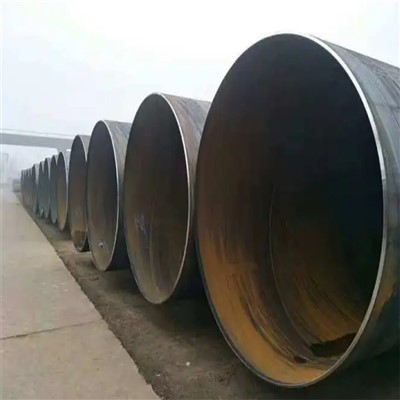
Hey there! As a supplier of straight seam pipes, I've seen firsthand how various factors can impact the cost of these essential products. In this blog, I'm gonna break down the key cost factors of straight seam pipes to help you understand what goes into their pricing.
Material Costs
The type of material used in straight seam pipes is a major cost driver. Different materials have different prices based on their availability, quality, and production processes.
- Carbon Steel: Carbon steel is one of the most commonly used materials for straight seam pipes. It's relatively affordable and offers good strength and durability. However, the cost can vary depending on the carbon content and other alloying elements. For example, API5L X42 ERW Steel Pipe is made of a specific grade of carbon steel that meets certain industry standards. The cost of this type of pipe will be influenced by the market price of the raw carbon steel and the additional processing required to meet the API5L X42 specifications.
- Alloy Steel: Alloy steel pipes contain additional elements such as chromium, nickel, or molybdenum to enhance their properties. These pipes are often more expensive than carbon steel pipes due to the higher cost of the alloying elements and the more complex manufacturing processes. Alloy steel pipes are commonly used in applications where high strength, corrosion resistance, or heat resistance is required.
- Stainless Steel: Stainless steel pipes are known for their excellent corrosion resistance, making them suitable for use in harsh environments. However, stainless steel is more expensive than carbon steel or alloy steel due to the high cost of the raw materials and the specialized manufacturing processes. The price of stainless steel pipes can also vary depending on the grade and finish of the steel.
Manufacturing Processes
The manufacturing processes used to produce straight seam pipes can also have a significant impact on their cost.


- Electric Resistance Welding (ERW): ERW is a common method for manufacturing straight seam pipes. In this process, a flat steel strip is formed into a tubular shape and then welded together using an electric current. ERW pipes are generally more cost-effective than other types of welded pipes because the manufacturing process is relatively simple and efficient. However, the quality of ERW pipes can vary depending on the equipment and techniques used.
- Submerged Arc Welding (SAW): SAW is another welding method used to produce straight seam pipes. In this process, the welding arc is submerged in a layer of flux, which helps to protect the weld from oxidation and contamination. SAW pipes are typically used in applications where high strength and reliability are required, such as in the oil and gas industry. However, the SAW process is more complex and expensive than ERW, which can result in higher pipe costs.
- Cold Drawing: Cold drawing is a process used to improve the dimensional accuracy and surface finish of straight seam pipes. In this process, the pipe is pulled through a die to reduce its diameter and increase its wall thickness. Cold drawing can increase the cost of the pipe due to the additional processing steps and the specialized equipment required.
Pipe Dimensions and Specifications
The dimensions and specifications of straight seam pipes can also affect their cost.
- Diameter and Wall Thickness: Generally, larger diameter and thicker wall pipes will cost more than smaller diameter and thinner wall pipes. This is because more material is required to produce larger pipes, and the manufacturing processes may be more complex.
- Length: The length of the pipe can also impact its cost. Longer pipes may require more material and more complex handling and transportation, which can increase the overall cost.
- End Finishes: Different end finishes, such as beveled ends or threaded ends, can add to the cost of the pipe. These finishes require additional processing and may require specialized equipment.
Market Conditions
Market conditions, such as supply and demand, raw material prices, and energy costs, can also have a significant impact on the cost of straight seam pipes.
- Supply and Demand: If the demand for straight seam pipes is high and the supply is limited, the prices are likely to increase. Conversely, if the supply exceeds the demand, prices may decrease.
- Raw Material Prices: The cost of raw materials, such as steel, can fluctuate significantly due to factors such as global economic conditions, trade policies, and natural disasters. These fluctuations can directly impact the cost of straight seam pipes.
- Energy Costs: The manufacturing processes for straight seam pipes require a significant amount of energy. Therefore, changes in energy prices can also affect the cost of the pipes.
Quality and Certification
The quality and certification of straight seam pipes can also influence their cost.
- Quality Control: Pipes that undergo strict quality control measures during the manufacturing process are likely to be more expensive. Quality control ensures that the pipes meet the required standards and specifications, which can increase their reliability and performance.
- Certification: Pipes that are certified to meet certain industry standards, such as API, ASTM, or ISO, may cost more than non-certified pipes. Certification provides assurance to the customers that the pipes have been tested and meet the required quality and safety standards. For example, Reliable ASTM A - 106 Steel For Boilers and ASTM 179 Round Straight Seam Pipe are certified to meet specific ASTM standards, which may add to their cost.
Transportation and Logistics
The cost of transporting and storing straight seam pipes can also be a significant factor in the overall cost.
- Distance: The distance between the manufacturing facility and the customer's location can impact the transportation cost. Longer distances generally mean higher transportation costs.
- Shipping Method: The choice of shipping method, such as truck, rail, or sea, can also affect the cost. Each shipping method has its own advantages and disadvantages in terms of cost, speed, and reliability.
- Storage: If the pipes need to be stored for a period of time before delivery, the storage costs, including warehousing and inventory management, will add to the overall cost.
Conclusion
As you can see, there are many factors that can affect the cost of straight seam pipes. When considering purchasing straight seam pipes, it's important to take all these factors into account to make an informed decision. At our company, we strive to provide high - quality straight seam pipes at competitive prices. We understand that cost is an important consideration for our customers, and we work hard to optimize our manufacturing processes, manage our supply chain effectively, and offer the best value for money.
If you're in the market for straight seam pipes and want to learn more about our products and pricing, feel free to reach out to us. We're always happy to discuss your specific requirements and provide you with a customized quote. Let's work together to find the right straight seam pipes for your project!
References
- "Steel Pipe Manufacturing Handbook"
- Industry reports on steel and pipe market trends