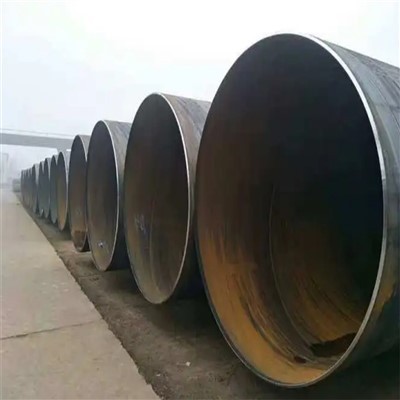
As a seasoned supplier of spiral steel pipes, I've witnessed firsthand the diverse applications and challenges these pipes face, especially in high-temperature environments. In this blog, I'll share valuable insights on how to effectively use spiral steel pipes in such demanding conditions.
Understanding the Basics of Spiral Steel Pipes
Spiral steel pipes are manufactured by continuously bending a steel strip into a spiral shape and then welding the edges. This process results in a pipe with a helical weld seam, which provides excellent strength and durability. These pipes are widely used in various industries, including oil and gas, construction, and power generation, due to their cost-effectiveness and versatility.
Challenges in High-Temperature Environments
High-temperature environments pose several challenges to the performance of spiral steel pipes. One of the primary concerns is thermal expansion. As the temperature rises, the steel expands, which can lead to stress and deformation in the pipe. If not properly managed, this can result in leaks, cracks, or even pipe failure.


Another challenge is oxidation. At high temperatures, the steel surface reacts with oxygen in the air, forming a layer of oxide. This oxide layer can weaken the pipe and reduce its corrosion resistance, especially in the presence of moisture or other corrosive substances.
In addition, high temperatures can also affect the mechanical properties of the steel, such as its strength and hardness. As the temperature increases, the steel may become softer and more ductile, which can compromise its structural integrity.
Selecting the Right Spiral Steel Pipe
To ensure the safe and efficient use of spiral steel pipes in high-temperature environments, it's crucial to select the right type of pipe. The choice of pipe material depends on several factors, including the operating temperature, pressure, and the nature of the fluid or gas being transported.
For applications with relatively low to moderate temperatures (up to around 400°C), ASTM A36 Carbon Steel Construction Pipe is a popular choice. This type of carbon steel has good strength and ductility, and it's relatively inexpensive. However, it's important to note that ASTM A36 steel may experience some loss of strength at higher temperatures, so it's essential to consider the specific operating conditions.
For higher temperature applications (above 400°C), alloy steels are often recommended. Alloy steels contain additional elements such as chromium, nickel, and molybdenum, which enhance their high-temperature strength, corrosion resistance, and oxidation resistance. For example, Q345 Large Diameter Steel Pipe is a type of low-alloy high-strength steel that offers good performance in high-temperature environments.
In some cases, stainless steel pipes may also be used in high-temperature applications, especially when corrosion resistance is a major concern. Stainless steel contains a high percentage of chromium, which forms a protective oxide layer on the surface, preventing further oxidation and corrosion.
Design and Installation Considerations
Proper design and installation are essential for the successful use of spiral steel pipes in high-temperature environments. Here are some key considerations:
- Thermal Expansion Compensation: To accommodate thermal expansion, expansion joints or flexible connectors should be installed at appropriate intervals along the pipe. These devices allow the pipe to expand and contract without causing excessive stress or damage.
- Insulation: Insulating the pipe can help reduce heat loss and prevent the formation of condensation on the pipe surface. It also helps to maintain a more stable temperature inside the pipe, which can improve the performance of the system.
- Support and Anchoring: Adequate support and anchoring are necessary to prevent the pipe from sagging or moving under the influence of thermal expansion, vibration, or external forces. The supports should be designed to allow for thermal movement while providing sufficient stability.
- Welding and Joining: The quality of the welds and joints is critical for the integrity of the pipe system. Welding should be performed by qualified welders using appropriate welding procedures and materials. Non-destructive testing methods, such as ultrasonic testing or radiographic testing, should be used to ensure the quality of the welds.
Maintenance and Inspection
Regular maintenance and inspection are essential for ensuring the long-term performance of spiral steel pipes in high-temperature environments. Here are some important maintenance tasks:
- Visual Inspection: Regular visual inspections should be conducted to check for signs of corrosion, leaks, cracks, or other damage. Any abnormalities should be addressed promptly to prevent further deterioration.
- Temperature Monitoring: Monitoring the temperature of the pipe and the surrounding environment can help detect any abnormal temperature fluctuations. This can be done using temperature sensors or thermocouples installed at strategic locations along the pipe.
- Corrosion Protection: Applying a suitable corrosion protection coating to the pipe surface can help prevent oxidation and corrosion. The coating should be selected based on the specific operating conditions and the type of steel used.
- Pressure Testing: Periodic pressure testing can be used to check the integrity of the pipe system and ensure that it can withstand the operating pressure. The testing should be conducted in accordance with relevant standards and procedures.
Case Studies
To illustrate the practical application of spiral steel pipes in high-temperature environments, let's look at a few case studies:
- Power Generation Plant: In a power generation plant, spiral steel pipes are used to transport high-temperature steam from the boiler to the turbine. These pipes are typically made of alloy steel and are insulated to reduce heat loss. Expansion joints are installed at regular intervals to accommodate thermal expansion, and the pipes are supported and anchored to prevent movement.
- Oil Refinery: In an oil refinery, spiral steel pipes are used to transport hot oil and other petroleum products. The pipes are often exposed to high temperatures and corrosive substances, so they are made of corrosion-resistant alloy steels and are coated with a protective layer. Regular maintenance and inspection are carried out to ensure the safety and reliability of the pipe system.
- Chemical Processing Plant: In a chemical processing plant, spiral steel pipes are used to transport various chemicals at high temperatures. The choice of pipe material depends on the specific chemical being transported and the operating conditions. The pipes are designed to withstand the chemical corrosion and thermal stress, and they are equipped with appropriate safety devices and monitoring systems.
Conclusion
Using spiral steel pipes in high-temperature environments requires careful consideration of various factors, including the selection of the right pipe material, proper design and installation, and regular maintenance and inspection. By following these guidelines, you can ensure the safe and efficient operation of your pipe system and minimize the risk of failure.
If you're interested in learning more about our spiral steel pipes or have any questions about using them in high-temperature environments, please don't hesitate to contact us. We're here to provide you with the best solutions for your specific needs.
References
- ASME Boiler and Pressure Vessel Code
- API Standards for Oil and Gas Industry
- ASTM Standards for Steel Pipes and Tubing