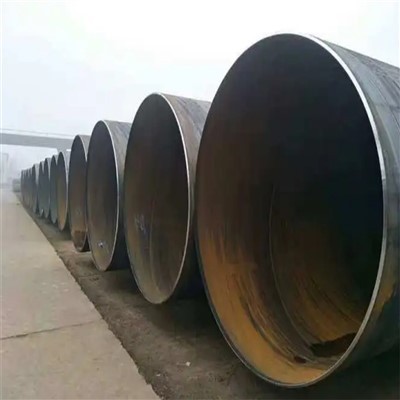
Hey there! As a supplier of SSAW (Spiral Submerged Arc Welded) pipes, I've seen firsthand the importance of proper packaging to prevent damage during transportation. In this blog, I'll share some tips and tricks on how to package SSAW pipes effectively, so they arrive at their destination in top-notch condition.
Understanding the Risks
Before we dive into the packaging methods, it's crucial to understand the potential risks that SSAW pipes face during transportation. These risks can include physical damage from impacts, scratches, and dents, as well as corrosion due to exposure to moisture and other environmental factors. By identifying these risks, we can take proactive measures to protect the pipes.
Choosing the Right Packaging Materials
The first step in packaging SSAW pipes is to choose the right materials. Here are some common materials used for pipe packaging:
- Steel Straps: Steel straps are a popular choice for securing pipes together. They are strong and durable, providing excellent protection against shifting and movement during transportation.
- Wooden Pallets: Wooden pallets are used to support the pipes and prevent them from coming into direct contact with the ground. They also provide a stable base for stacking the pipes.
- Plastic Wraps: Plastic wraps are used to protect the pipes from moisture and dust. They can be wrapped around the pipes individually or in bundles to provide an extra layer of protection.
- Foam Padding: Foam padding can be used to cushion the pipes and prevent them from getting scratched or dented. It can be placed between the pipes or around the outside of the bundles.
Packaging Techniques
Once you have chosen the right materials, it's time to start packaging the pipes. Here are some techniques to consider:
- Bundle the Pipes: Group the pipes together in bundles of a suitable size and weight. Use steel straps to secure the bundles tightly, ensuring that the pipes do not move or shift during transportation.
- Stack the Bundles: Stack the bundles on wooden pallets in a stable and secure manner. Make sure that the pallets are strong enough to support the weight of the pipes and that the stacks are not too high to prevent them from toppling over.
- Wrap the Bundles: Wrap the bundles with plastic wraps to protect them from moisture and dust. You can use a stretch wrap machine to ensure a tight and secure fit.
- Add Foam Padding: Place foam padding between the pipes and around the outside of the bundles to cushion them and prevent them from getting scratched or dented.
Special Considerations
In addition to the general packaging techniques, there are some special considerations to keep in mind when packaging SSAW pipes:


- Long Pipes: If you are packaging long pipes, you may need to use additional supports to prevent them from bending or sagging. You can use wooden blocks or steel bars to support the pipes at regular intervals.
- Large Diameter Pipes: Large diameter pipes may require special packaging to prevent them from rolling or shifting during transportation. You can use steel rings or brackets to secure the pipes in place.
- Corrosive Environments: If the pipes are being transported to a corrosive environment, you may need to use additional protective coatings or treatments to prevent corrosion. You can also use moisture-resistant packaging materials to keep the pipes dry.
Conclusion
Proper packaging is essential to prevent damage to SSAW pipes during transportation. By choosing the right materials, using the appropriate techniques, and considering the special requirements of the pipes, you can ensure that they arrive at their destination in excellent condition. If you have any questions or need further advice on packaging SSAW pipes, please don't hesitate to contact me. I'm always happy to help!
We offer a wide range of SSAW pipes, including L360 Spiral Submerged Arc Pipe, LSAW API 5L Carbon Steel Tube, and S355j2h Spiral Steel Pipe. If you're interested in purchasing our products, feel free to reach out to us for more information and to start a procurement negotiation.
References
- American Iron and Steel Institute. (2019). Steel Pipe Packaging and Marking.
- International Organization for Standardization. (2017). ISO 9001:2015 Quality Management Systems - Requirements.