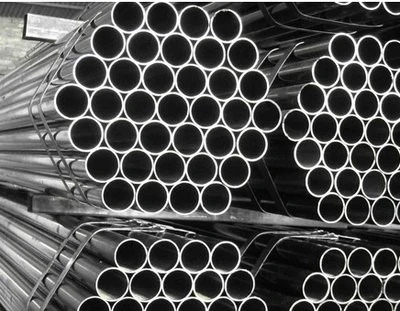
1. What is XC18 steel pipe made of?
XC18 is a high-quality carbon structural steel specified in the French NF standard. It falls under the category of low-carbon steel and is widely used in mechanical manufacturing and structural engineering. The "XC" in its name represents the carbon steel category, and the "18" indicates an average carbon content of approximately 0.18%. This material exhibits excellent plasticity and weldability and is often used as the European counterpart to ASTM A519 1018 steel pipe.
2. What are its main mechanical properties?
XC18 steel pipe has the following typical mechanical properties:
Tensile strength: approximately 440-590 MPa
Yield strength: ≥275 MPa
Elongation: ≥20%
Hardness: approximately 130-170 HB. These properties make it well-suited for cold forming and welding applications.
3. What are its main application areas? XC18 steel pipe, due to its balanced performance, is widely used in:
Shafts, connecting rods, and other structural components in machinery manufacturing
Transmission components in the automotive industry
Structural supports in buildings
General fluid transport piping systems
Agricultural machinery and equipment components
4. What are the differences with other similar steel grades?
Compared to common steel grades:
Higher strength than Q235B but slightly lower ductility
Similar performance to ASTM A519 1018, but with a different standard system
Better weldability than XC48 (0.48% carbon content) but lower strength
Lower cost than low-alloy steels such as 16Mn, but with poorer high-temperature performance
5. Processing and Usage Precautions
When processing XC18 steel pipe, please note the following:
Preheating is generally not required before welding, but preheating to 150°C is recommended for thick-walled pipes
Intermediate annealing is recommended during cold working to eliminate work hardening
Excellent machinability, suitable for all types of machining
Rust-proof treatment is required for use in corrosive environments
When purchasing, please confirm that it complies with French standards such as NF A49-213.