
1. **What do you mean by mild steel?**
Mild steel is a type of **low-carbon steel** (typically containing **0.05% to 0.25% carbon**) known for its **good ductility, malleability, weldability, and relatively low strength** compared to higher-carbon steels. It's not alloyed with significant amounts of other elements.
2. **What is mild steel good for?**
Mild steel is excellent for **general fabrication, construction, and applications requiring good formability and weldability**. Common uses include:
* Structural beams, columns, and reinforcement bars (rebar).
* Sheet metal for car bodies, appliances, and ductwork.
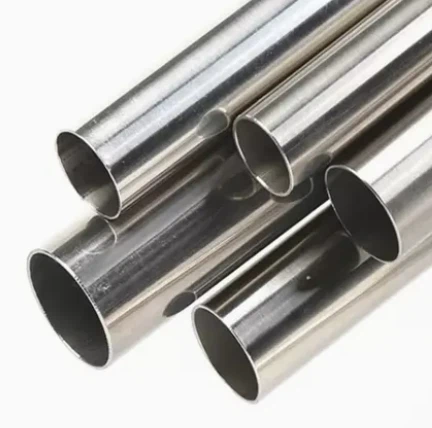
* Pipes, tubes, and general engineering components.
* Wire, nails, bolts, and screws.
* Frames, brackets, and non-critical machinery parts.
3. **Which grade is mild steel?**
Mild steel isn't a single, specific grade. It refers to a **range of low-carbon steels**. Common grades classified as mild steel include:
* **A36 (ASTM):** The most common structural steel grade in the US.
* **1018, 1020 (AISI/SAE):** Popular grades for machining and general applications.
* **S235JR, S275JR, S355JR (EN 10025):** Common European structural grades.
* **Low-carbon grades** within standards like **EN 10025, EN 10083, BS 1449, JIS G3101 (SS400), etc.**
4. **Why do they call it mild steel?**
It's called "mild" steel because it is **comparatively soft, ductile, and malleable** ("mild" meaning gentle or not severe) when contrasted with **higher-carbon steels** (like medium or high-carbon steel) or **alloy steels**, which are significantly harder, stronger, but also more brittle and difficult to form or weld.
5. **What is the main problem with mild steel?**
The **main problem with mild steel is its poor corrosion resistance (rusting)**. When exposed to moisture and oxygen, it oxidizes readily, forming iron oxide (rust) which weakens the material over time. **Protective coatings** (paint, galvanizing, plating) are almost always required for long-term use in most environments.