1. Primary Uses and Applications
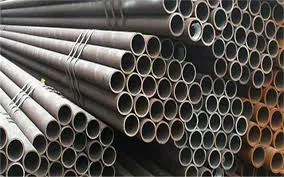
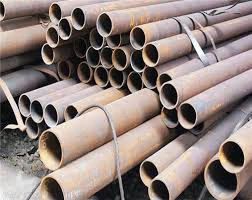
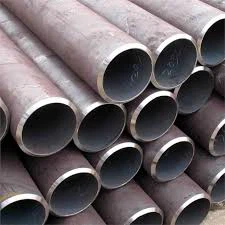
ASTM A501 is the standard specification for hot-formed welded and seamless carbon steel structural tubing. Its primary use is in load-bearing applications across various industries, where strength, durability, and cost-effectiveness are paramount. Key application areas include:
Building and Construction: Widely used for columns, beams, trusses, and frames in commercial, industrial, and institutional buildings (e.g., factories, warehouses, shopping malls, sports arenas).
Infrastructure Projects: Employed in the construction of bridges, highway sign supports, guardrails, and transmission towers.
Industrial Structures: Used for fabricating platforms, walkways, stairways, and heavy equipment support structures in industrial plants.
Architectural Applications: Sometimes used in exposed architectural elements where its structural integrity and aesthetic can be leveraged.
2. Key Advantages and Benefits
The popularity of ASTM A501 tubing stems from a combination of performance and economic benefits:
High Strength-to-Weight Ratio: It offers excellent strength while being relatively lightweight, allowing for the design of sturdy structures with less material, reducing overall weight and cost.
Cost-Effectiveness: As a hot-formed product, it is often more economical than its cold-formed counterpart (ASTM A500), making it a preferred choice for many large-scale projects where high precision is not the primary concern.
Excellent Weldability and Formability: The steel's chemistry and hot-forming process make it well-suited for welding, cutting, and forming operations on-site or in fabrication shops without compromising its structural properties.
Favorable Mechanical Properties: A501 steel meets minimum yield and tensile strength requirements, ensuring reliable performance under structural loads. Its properties are generally comparable to the widely used ASTM A500 Grade B.
Durability and Long Service Life: When properly specified and, if necessary, painted or galvanized for corrosion protection, structures built with A501 tubing are durable and have a long service life.
3. Future Development Prospects and Trends
The future for ASTM A501 structural tubing remains positive, driven by several key trends in the construction and manufacturing sectors:
Sustained Demand in Construction: The ongoing need for industrial warehouses, logistics centers, and commercial infrastructure, especially in developing economies, will continue to drive demand for cost-effective structural members like A501 tubing.
Advancements in Fabrication Technology: The rise of advanced cutting (e.g., laser, plasma), automated welding, and Building Information Modeling (BIM) facilitates the efficient use of A501 tubing in complex structural designs, potentially expanding its applications.
Focus on Sustainable Construction: Steel tubing is highly recyclable, aligning with the global push for sustainable building materials. The use of A501 in structures that can be disassembled and reused contributes to a circular economy.
Material and Process Optimization: While the specification itself is stable, ongoing improvements in steelmaking and rolling mill technology can lead to more consistent quality, better surface finish, and potentially even more competitive pricing for A501 products.
Competition and Niche Specialization: It will continue to coexist with ASTM A500, with the choice often coming down to specific project requirements, cost considerations, and fabricator preference. Its role as a robust and economical solution for many structural applications is secure.
In conclusion, ASTM A501 hot-formed steel tubing is a fundamental and versatile material in the construction industry. Its blend of strength, economy, and ease of use ensures it will remain a first-choice option for engineers and fabricators for the foreseeable future.