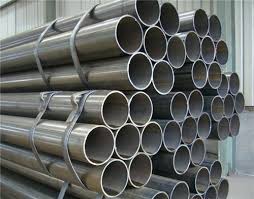
1. Primary Application: High-Temperature, High-Pressure Service
ASTM A335 P92 is a seamless ferritic alloy-steel pipe specifically designed for elevated temperature service. Its primary use is in the critical sections of modern power generation and process industry plants, including:
Advanced Power Plant Boilers: Used extensively in superheaters and reheaters, which are the sections of a boiler that heat steam to its highest temperature.
Main Steam and Hot Reheat Steam Lines: Serving as the high-integrity piping that transports superheated steam from the boiler to the turbine and back for reheating.
Petrochemical & Process Industries: Employed in facilities requiring robust piping for processes operating at high temperatures and pressures.
2. Key Advantages and Benefits
The development of P92 was driven by the need for higher efficiency in energy conversion. Its benefits are direct results of its advanced chemical composition (9% Chromium, 1.8% Tungsten, Molybdenum, Vanadium, Niobium, and Nitrogen).
Exceptional High-Temperature Strength: P92 offers superior creep strength-the ability to withstand constant stress at high temperatures over long periods-compared to its predecessor P91. This allows for the design of thinner-walled pipes and headers.
Improved Thermal Efficiency: The enhanced strength enables power plants to operate at higher steam temperatures (up to ~620°C / ~1150°F) and pressures. This directly translates to higher thermal efficiency, reducing fuel consumption and operating costs.
Reduced Component Weight: The ability to use thinner pipe walls for the same pressure rating leads to a significant reduction in the overall weight of components. This simplifies fabrication, welding, and support structure requirements.
Good Oxidation Resistance: The 9% Chromium content provides adequate resistance to scaling and oxidation in steam environments at these high operating temperatures.
3. Development Prospects and Future Outlook
The future of P92 is intrinsically linked to global energy trends, presenting a mixed but generally positive outlook.
Cornerstone for Ultra-Supercritical (USC) Coal Power: P92 is a well-established and critical material for existing USC coal-fired power plants. It remains the material of choice for many new-build USC plants worldwide, particularly in regions where coal remains a key part of the energy mix.
Role in the Transition to Renewable Energy: As the energy grid incorporates more intermittent renewables like solar and wind, the role of dispatchable power plants becomes crucial. High-efficiency coal and biomass plants using P92 technology can provide this flexible, on-demand power with lower emissions than conventional plants.
Competition from New Technologies & Materials: The development prospects for new P92 installations face competition. The rapid cost reduction of renewables and the push for decarbonization are slowing the construction of new coal plants in many Western countries. Furthermore, for the next generation of even higher-efficiency plants (Advanced-Ultra Supercritical, A-USC), nickel-based superalloys are required to withstand temperatures beyond 700°C, where ferritic steels like P92 reach their limits.
Sustained Niche in Repairs & Upgrades: The extensive global fleet of existing power plants that use P91 and P92 will ensure a long-term demand for P92 piping for maintenance, repair, and life-extension projects for decades to come.
Conclusion:
ASTM A335 P92 is a pivotal material that enabled a significant leap in thermal power plant efficiency. While the future of new coal-fired power plants is uncertain in some markets, P92's role in the existing global energy infrastructure, its applicability in biomass conversion, and its status as a cost-effective high-performance alloy ensure it will remain a vital engineering material for the foreseeable future.