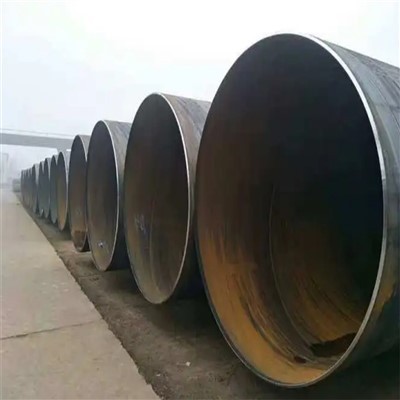
In the realm of pipe fusion welding, a ventilation system plays a multifaceted and crucial role. As a supplier in the Pipe Fusion Welding industry, I've witnessed firsthand how the right ventilation setup can make or break a welding project. This blog post delves into the significance of ventilation systems in pipe fusion welding, exploring their functions, benefits, and impact on overall operations.
The Science Behind Welding Fumes
Pipe fusion welding involves the use of high temperatures to join pipes together. During this process, various chemical reactions occur, leading to the production of welding fumes. These fumes are a complex mixture of solid particles, gases, and vapors. For instance, when welding carbon - steel pipes such as A691 21/4CR CLASS23 TUBE and A691 1 CR CLASS52 TUBE, the fumes can contain iron oxide, manganese, chromium, and other potentially harmful substances.
Iron oxide particles are common in welding fumes from steel pipes. Inhaling these particles can cause respiratory problems over time, such as bronchitis and reduced lung function. Manganese, on the other hand, can affect the central nervous system, leading to symptoms similar to Parkinson's disease with long - term exposure. Chromium, especially in its hexavalent form, is a known carcinogen. Therefore, it is essential to have a ventilation system that can effectively remove these fumes from the welding area.
Functions of a Ventilation System in Pipe Fusion Welding
1. Fume Extraction
The primary function of a ventilation system in pipe fusion welding is to extract the welding fumes at the source. Local exhaust ventilation (LEV) systems are commonly used for this purpose. These systems are designed to capture the fumes as close to the welding point as possible. For example, a fume extraction arm can be positioned near the welder's torch, sucking in the fumes before they can spread into the surrounding environment.
A well - designed LEV system can significantly reduce the concentration of harmful substances in the air. In a welding workshop where multiple welders are working on A671 CC60 CC65 EFW Pipe, a centralized LEV system with multiple extraction points can ensure that each welding station is properly ventilated. This not only protects the health of the welders but also improves the overall air quality in the workshop.
2. Temperature and Humidity Control
Welding generates a large amount of heat. Without proper ventilation, the temperature in the welding area can rise to uncomfortable and even dangerous levels. A ventilation system can help to remove the excess heat, maintaining a more comfortable working environment for the welders.
In addition, controlling humidity is also important in pipe fusion welding. High humidity can affect the quality of the weld. For example, it can cause the formation of hydrogen in the weld pool, leading to porosity and other defects. A ventilation system can help to regulate the humidity by removing the moisture - laden air and replacing it with drier air.
3. Oxygen Supply
During welding, the combustion process consumes oxygen. If the ventilation is poor, the oxygen levels in the welding area can drop, which can be a serious safety hazard. A ventilation system ensures a continuous supply of fresh air, maintaining a safe oxygen level in the workspace. This is especially important in enclosed or confined spaces where the risk of oxygen depletion is higher.
Benefits of a Proper Ventilation System
1. Health and Safety
The most significant benefit of a proper ventilation system is the protection of the welders' health. By removing the harmful welding fumes, the risk of respiratory diseases, neurological disorders, and cancer is greatly reduced. This not only improves the quality of life for the workers but also reduces the long - term healthcare costs for the company.
In addition, a well - ventilated workspace is safer in terms of fire and explosion prevention. Some welding fumes and gases can be flammable or explosive. A ventilation system can prevent the accumulation of these substances, reducing the risk of fire and explosion.
2. Weld Quality
A proper ventilation system can also improve the quality of the weld. As mentioned earlier, controlling temperature and humidity is crucial for achieving a high - quality weld. By maintaining the right environmental conditions, the ventilation system helps to minimize defects such as porosity, cracks, and lack of fusion. This is especially important when welding high - quality pipes like A691 21/4CR CLASS23 TUBE and A691 1 CR CLASS52 TUBE, where even minor defects can compromise the integrity of the pipeline.
3. Productivity
A comfortable and safe working environment leads to increased productivity. When welders are not exposed to excessive heat, humidity, and harmful fumes, they can work more efficiently and for longer periods. A ventilation system helps to create such an environment, allowing the welders to focus on their work without being distracted by discomfort or health concerns.
Choosing the Right Ventilation System
When selecting a ventilation system for pipe fusion welding, several factors need to be considered. The size of the welding area, the type of welding process, and the number of welders are all important considerations.
For small - scale welding operations, a portable fume extraction unit may be sufficient. These units are easy to move around and can be positioned close to the welding point. However, for large - scale workshops with multiple welding stations, a centralized ventilation system is usually more appropriate.


The efficiency of the ventilation system is also crucial. It should be able to capture and remove a high percentage of the welding fumes. Look for systems with high - quality filters and fans. The filters should be easy to replace and maintain to ensure the long - term effectiveness of the system.
Maintenance of the Ventilation System
Regular maintenance of the ventilation system is essential to ensure its proper functioning. The filters need to be cleaned or replaced regularly to prevent clogging. A clogged filter can reduce the airflow and the efficiency of the system.
The fans and ducts also need to be inspected for any signs of damage or wear. Loose connections, leaks, or damaged parts can affect the performance of the ventilation system. In addition, the ventilation system should be tested periodically to ensure that it is meeting the required air quality standards.
Conclusion
In conclusion, a ventilation system is an indispensable component of pipe fusion welding. It plays a vital role in protecting the health and safety of the welders, improving the quality of the weld, and increasing productivity. As a Pipe Fusion Welding supplier, I highly recommend investing in a high - quality ventilation system for any welding operation.
If you are in the market for pipe fusion welding products or need advice on ventilation systems for your welding projects, feel free to contact us for a detailed discussion. We are committed to providing you with the best solutions for your welding needs.
References
- American Welding Society. (20XX). Welding Safety and Health Guidelines.
- Occupational Safety and Health Administration (OSHA). (20XX). Standards for Welding and Cutting.
- National Institute for Occupational Safety and Health (NIOSH). (20XX). Welding Fumes and Gases: A Hazard Evaluation.