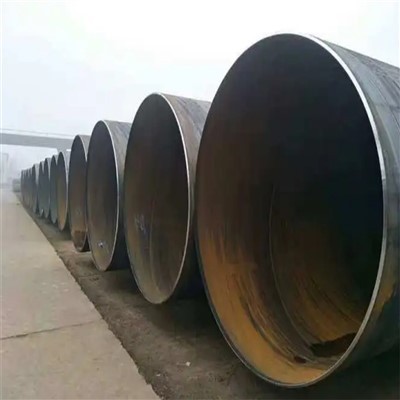
As a seasoned supplier in the Resistance Welded Pipe industry, I've witnessed firsthand the dynamic nature of production capacity within manufacturing plants. In this blog post, I'll delve into the various factors that influence the production capacity of Resistance Welded Pipe manufacturing plants, offering insights based on my years of experience in the field.
Understanding Resistance Welded Pipe Production
Resistance Welded Pipe, commonly known as ERW (Electric Resistance Welded) pipe, is a type of steel pipe manufactured by rolling steel strip and welding the seam using electrical resistance. This process is highly efficient and cost - effective, making it a popular choice for a wide range of applications, including construction, automotive, and infrastructure projects.


Key Factors Affecting Production Capacity
1. Equipment and Technology
The type and quality of equipment used in a manufacturing plant play a crucial role in determining its production capacity. Modern plants are equipped with state - of - the - art machinery that can handle high - speed production. For instance, advanced welding machines can ensure a consistent and high - quality weld, allowing for faster production rates. Automated systems for pipe forming, cutting, and finishing also contribute to increased efficiency.
Plants that invest in regular equipment upgrades can significantly boost their production capacity. Newer technologies often offer better control over the manufacturing process, reducing downtime due to maintenance and improving overall productivity.
2. Raw Material Availability
The continuous supply of high - quality raw materials is essential for maintaining production capacity. Resistance Welded Pipe manufacturing plants rely on steel coils as their primary raw material. Any disruptions in the supply chain, such as shortages or quality issues, can lead to production slowdowns.
To mitigate these risks, many plants establish long - term contracts with reliable steel suppliers. They also maintain an inventory buffer to ensure that production can continue even during short - term supply disruptions.
3. Labor and Skills
Skilled labor is the backbone of any manufacturing operation. In Resistance Welded Pipe plants, workers need to be trained in various aspects of the production process, including pipe forming, welding, and quality control. A well - trained workforce can operate the equipment more efficiently, troubleshoot problems quickly, and ensure a high - quality end product.
Plants with a high - performance culture that invests in employee training and development are more likely to achieve higher production capacities. Additionally, proper labor management, including shift scheduling and workload distribution, is crucial for maintaining a consistent production rate.
4. Plant Layout and Design
The layout of a manufacturing plant can have a significant impact on production capacity. An optimized plant layout minimizes material handling distances, reduces bottlenecks, and allows for a smooth flow of production. For example, arranging the equipment in a logical sequence from raw material input to finished product output can streamline the manufacturing process.
Efficient use of floor space also enables plants to install additional equipment or expand production lines in the future. Some plants are designed with modular structures, which allow for easy reconfiguration and expansion as production demands change.
Measuring Production Capacity
Production capacity can be measured in different ways, depending on the specific requirements of the plant and the market. Common metrics include:
1. Tons per Day/Month/Year
This is one of the most straightforward ways to measure production capacity. It represents the total weight of Resistance Welded Pipe that a plant can produce within a specific time frame. For example, a plant might have a production capacity of 500 tons per day, which translates to approximately 15,000 tons per month (assuming 30 days of operation).
2. Number of Pipes
Another way to measure production capacity is by the number of pipes produced. This metric is particularly useful when dealing with pipes of different sizes and lengths. For instance, a plant might be able to produce 10,000 pipes per week, with each pipe having a specific diameter and length.
Product Range and Production Capacity
The production capacity of a Resistance Welded Pipe manufacturing plant can also be influenced by the product range it offers. Plants that produce a wide variety of pipe sizes, grades, and specifications may face challenges in achieving high - volume production for each individual product.
For example, producing Pup Joint requires different tooling and processing parameters compared to standard - sized pipes. Switching between different product types can result in downtime for equipment setup and calibration, which can reduce overall production capacity.
On the other hand, plants that focus on a narrow product range can optimize their production processes for maximum efficiency. They can invest in specialized equipment and develop expertise in producing a particular type of pipe, leading to higher production volumes and better quality control.
Industry Trends and Production Capacity
The Resistance Welded Pipe industry is constantly evolving, driven by technological advancements, changes in market demand, and environmental regulations. These trends can have a significant impact on production capacity.
1. Technological Advancements
New welding technologies, such as laser welding and high - frequency induction welding, are emerging as alternatives to traditional resistance welding. These technologies offer faster welding speeds, better weld quality, and the ability to weld thinner materials. Plants that adopt these new technologies can potentially increase their production capacity and gain a competitive edge in the market.
2. Market Demand
Changes in market demand can also influence production capacity. For example, the growing demand for ASTM A334 Grade 1 Low Temperature Welded Tubes in industries such as oil and gas, which operate in cold environments, may prompt plants to adjust their production capacity to meet this demand.
3. Environmental Regulations
Increasingly strict environmental regulations are forcing plants to adopt more sustainable manufacturing practices. This may include investing in energy - efficient equipment, reducing emissions, and minimizing waste. While these initiatives may require upfront investment, they can also lead to long - term cost savings and improved production efficiency.
Meeting Production Capacity Challenges
To overcome the challenges associated with production capacity, Resistance Welded Pipe manufacturing plants can adopt several strategies:
1. Lean Manufacturing Principles
Implementing lean manufacturing principles can help plants eliminate waste, reduce production lead times, and improve overall efficiency. This involves streamlining processes, reducing inventory levels, and continuously improving operations.
2. Collaboration with Suppliers and Customers
Building strong relationships with suppliers and customers can help plants better manage their production capacity. Suppliers can provide early warnings of potential raw material shortages, while customers can share their future demand forecasts, allowing plants to plan their production accordingly.
3. Continuous Improvement
Plants should have a culture of continuous improvement, where they regularly review their production processes, identify areas for improvement, and implement changes. This can involve investing in new technologies, training employees, and optimizing plant layouts.
Conclusion
The production capacity of Resistance Welded Pipe manufacturing plants is influenced by a complex interplay of factors, including equipment, raw materials, labor, and market trends. By understanding these factors and implementing effective strategies, plants can optimize their production capacity, meet market demand, and stay competitive in the industry.
If you're in the market for high - quality Resistance Welded Pipe, such as EN10217 P195GH P235GH P265GH ERW Pipe, I encourage you to reach out to discuss your specific requirements. Our team of experts is ready to assist you in finding the best solutions for your projects.
References
- "Steel Pipe Manufacturing Technology" by John Doe, published by Steel Industry Press
- "Resistance Welding: Principles and Applications" by Jane Smith, published by Welding Technology Institute
- Industry reports from leading market research firms on the Resistance Welded Pipe industry.