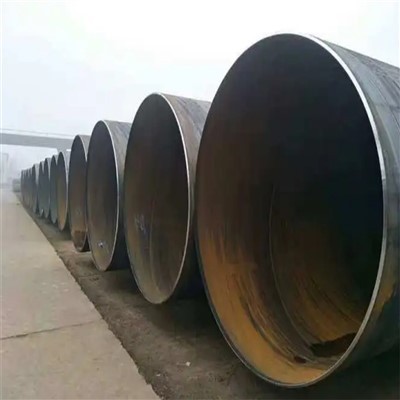
What is the performance of X60 Spiral Steel Pipe in tropical regions?
As a supplier of X60 Spiral Steel Pipe, I've witnessed firsthand the unique challenges and opportunities presented by different geographical regions. In this blog, I'll delve into the performance of X60 Spiral Steel Pipe in tropical regions, exploring its strengths and how it stands up to the specific conditions found in these areas.
1. Corrosion Resistance in Tropical Humidity
Tropical regions are characterized by high humidity levels, often exceeding 80% on a regular basis. This high moisture content in the air can accelerate the corrosion process of metals. However, X60 Spiral Steel Pipe is designed with corrosion - resistant properties that make it suitable for such environments.
The steel used in X60 pipes has a certain amount of alloying elements that form a protective oxide layer on the surface. This layer acts as a barrier, preventing the penetration of moisture and oxygen, which are the main culprits in the corrosion process. For example, the chromium and nickel present in trace amounts in X60 steel help in the formation of a stable oxide film. This film continuously repairs itself when damaged, providing long - term protection against corrosion.

In comparison to other pipes like the Q235B Spiral Welded Carbon Steel Pipe, which has a relatively lower corrosion - resistant capacity, X60 Spiral Steel Pipe offers better durability in tropical humidity. The Q235B pipe may require more frequent maintenance and protective coatings in tropical areas to prevent rusting and degradation.
2. Temperature Resistance in Tropical Heat
Tropical regions typically experience high temperatures throughout the year, with average daily temperatures often ranging from 25°C to 35°C and sometimes even higher. X60 Spiral Steel Pipe has excellent temperature resistance properties.
The steel's molecular structure is stable under high - temperature conditions. It can maintain its mechanical strength and integrity even when exposed to elevated temperatures for extended periods. This is crucial for applications such as transporting hot fluids or being used in industrial settings where heat is generated.
When compared to some other specialty pipes like the ASTM B622 Hastelloy C22 Steel Pipe, which is designed for extremely high - temperature and corrosive environments, X60 Spiral Steel Pipe offers a cost - effective solution for tropical heat conditions. The Hastelloy C22 pipe is more expensive and is usually used in more extreme industrial applications, while X60 is well - suited for general infrastructure and construction projects in tropical regions.
3. Resistance to Tropical Storms and Cyclones
Tropical regions are prone to severe weather events such as storms and cyclones. These events bring strong winds, heavy rainfall, and sometimes even flooding. X60 Spiral Steel Pipe's robust structure makes it highly resistant to the forces exerted during these weather conditions.
The spiral welding process used in manufacturing X60 pipes gives them additional strength and flexibility. The spiral weld distributes stress evenly along the length of the pipe, making it less likely to crack or break under the impact of strong winds or debris carried by storms.
Moreover, in the event of flooding, the corrosion - resistant properties of X60 pipes ensure that they can withstand prolonged submersion in water without significant damage. This is in contrast to some other materials that may start to deteriorate quickly when exposed to standing water for extended periods.
4. Application in Tropical Infrastructure
X60 Spiral Steel Pipe finds extensive use in tropical infrastructure projects. In water supply systems, its corrosion resistance ensures that the water remains clean and free from contaminants that could be introduced by a corroded pipe. It can be used for both above - ground and underground water pipelines, providing a reliable and long - lasting solution.
In the oil and gas industry, which is also present in many tropical regions, X60 pipes are used for transporting hydrocarbons. Their high strength and resistance to corrosion make them suitable for withstanding the pressures and chemical properties of oil and gas products.

For construction projects, such as building foundations and structural supports, Thick Wall Large Diameter Spiral Welded Steel Pipe variants of X60 can be used. These pipes provide the necessary strength to support large structures in tropical environments where the soil conditions may be soft due to high moisture content.
5. Long - term Cost - effectiveness
One of the significant advantages of using X60 Spiral Steel Pipe in tropical regions is its long - term cost - effectiveness. Although the initial investment may be slightly higher than some other pipe materials, its durability and low maintenance requirements result in significant savings over time.

The reduced need for frequent replacements due to corrosion or damage from tropical weather conditions means that the overall lifecycle cost of X60 pipes is lower. This makes it an attractive option for large - scale infrastructure projects where budget constraints are a major consideration.
In conclusion, X60 Spiral Steel Pipe performs exceptionally well in tropical regions. Its corrosion resistance, temperature resistance, ability to withstand tropical storms, and cost - effectiveness make it a top choice for a wide range of applications in these areas. Whether you're involved in water supply, oil and gas, or construction projects, X60 Spiral Steel Pipe can provide a reliable and long - lasting solution.
If you're interested in learning more about our X60 Spiral Steel Pipe products or have a specific project in mind, I encourage you to reach out for a procurement discussion. We can provide detailed information on product specifications, pricing, and delivery options to meet your needs.
References
- ASME Boiler and Pressure Vessel Code. "Section VIII: Rules for Construction of Pressure Vessels". American Society of Mechanical Engineers.
- ASTM International. "ASTM Standards on Steel Pipes and Tubes". ASTM International.
- World Meteorological Organization. "Climate Data for Tropical Regions". World Meteorological Organization.