Yo, folks! As a supplier in the pipe fitting game, I get asked a ton about different components and their roles. One question that pops up quite often is about the function of a cap in pipe fitting. So, let's dive into it and break down why these little guys are so important.
First off, what exactly is a cap in the context of pipe fitting? Well, it's a simple yet crucial piece that's designed to cover the end of a pipe. Think of it like a lid for your pipes – it seals things up to keep stuff in or out, depending on what you need.
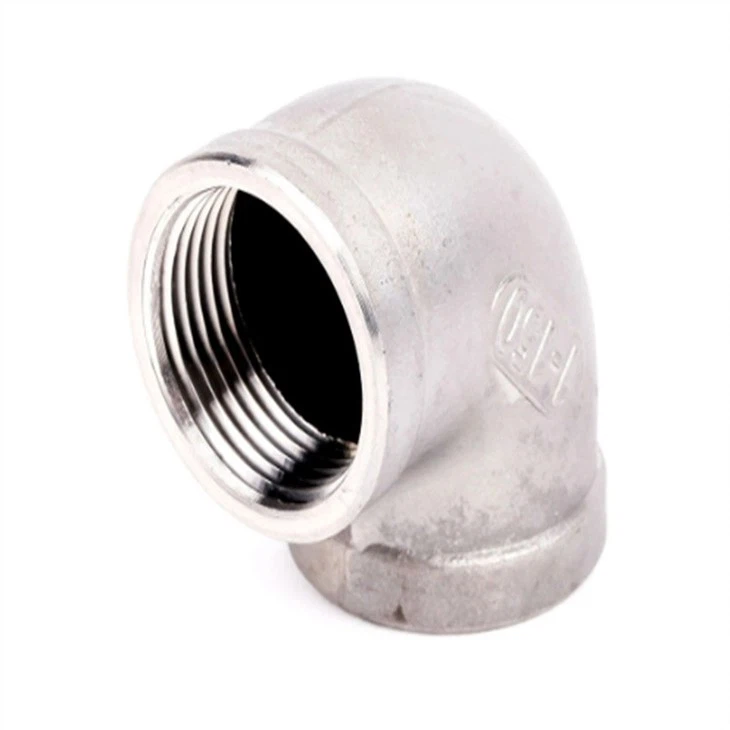

One of the main functions of a cap is to prevent leaks. When you've got a pipe system that's transporting liquids or gases, you don't want any of that valuable stuff seeping out. A well - fitting cap creates a tight seal at the end of the pipe, keeping everything contained. For example, in a water supply system, a cap on an unused pipe end stops water from dribbling out, which could lead to water damage over time. It's a simple solution that can save you a whole lot of headaches.
Caps also help in protecting the inside of the pipes from external elements. Dust, debris, and even pests can find their way into an open pipe if there's no cap. This can clog up the system, affecting its efficiency and potentially causing damage. Suppose you've got an exposed pipe in a construction site. Without a cap, dirt and small stones could fall into the pipe, which might lead to blockages down the line. By putting a cap on it, you're ensuring the pipe stays clean and functional.
Another neat thing about caps is that they can be used for safety reasons. An open pipe can pose a serious hazard, especially if it's in an area where people are walking around. Sharp edges of the pipe can cause cuts, and if there are any chemicals or high - pressure substances in the pipe, an open end can be extremely dangerous. A cap helps to eliminate these risks by covering up the potentially harmful parts of the pipe.
Now, let's talk a bit about the different types of caps available in our product range. We've got some great The Concentric Reducer options that can also come with caps. These reducers are used to connect pipes of different sizes, and the caps can be a great addition to seal off the end of the reduced pipe.
We also offer 316 Stainless Steel Pipe Fitting with caps. Stainless steel is a popular material for pipe fittings because it's corrosion - resistant. This means that our caps made from 316 stainless steel will last a long time, even in harsh environments. Whether you're dealing with water, chemicals, or just need a reliable fitting for a long - term project, these caps are a solid choice.
And then there are our 316L Weld Pipe Fitting options. These can be welded onto the pipes, creating an even stronger and more secure seal. The caps in this range are designed to withstand high pressures and are ideal for industrial applications where reliability is key.
When it comes to choosing the right cap for your project, there are a few things to keep in mind. First, consider the size of the pipe. The cap needs to fit snugly on the pipe for a proper seal. You don't want it too loose, or it won't prevent leaks, and if it's too tight, it might be difficult to install. Also, think about the material of the pipe and the environment it's in. If the pipe is in a corrosive environment, like a chemical plant, you'll want a cap made from a corrosion - resistant material like our 316 stainless steel options.
Installation is usually pretty straightforward, but it's still important to do it right. Make sure the end of the pipe is clean and free of any dirt or debris before putting on the cap. You might need to use some sealant or tape to create an extra - strong seal, depending on the application. If you're not sure how to install the cap, our team is always here to help.
We've seen firsthand the difference a good cap can make in a pipe fitting system. Whether it's in a small plumbing project at home or a large - scale industrial setup, caps play a vital role in ensuring everything runs smoothly.
If you're in the market for high - quality pipe fittings, including caps, we're here to help. We've got a wide range of products to meet all your needs, and our prices are competitive. Our team of experts is always ready to answer any questions you might have and guide you through the selection process. Whether you're a contractor, a DIY enthusiast, or a business owner, we've got the right cap and pipe fitting solutions for you. So if you're looking to start a new project or just need to replace some old fittings, don't hesitate to get in touch. Reach out to us and let's start a great pipe fitting project together!
References
- Norton, M. A. (2000). Handbook of Piping Design and Engineering. McGraw - Hill.
- Altenbach, H., & Naumenko, K. (2016). Mechanics of Pipes and Shells. Springer.