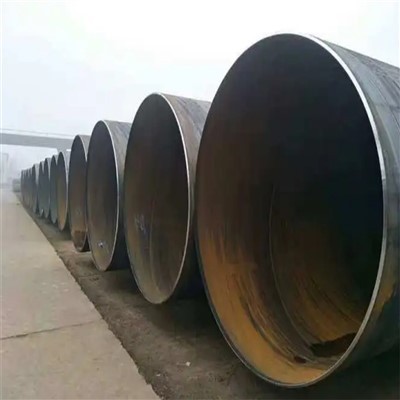
As a dedicated supplier of Submerged Arc Welded (SSAW) pipes, I understand the critical importance of thorough inspections to ensure the quality and reliability of our products. SSAW pipes are widely used in various industries, including oil and gas, water supply, and construction, where their performance can have a significant impact on the overall project success. In this blog post, I will delve into the key inspection items for SSAW pipes, providing insights into the quality control measures we implement to meet and exceed industry standards.
1. Dimensional Inspection
Dimensional accuracy is fundamental for SSAW pipes as it directly affects their compatibility with other components in a pipeline system. The following dimensions are typically inspected:
- Outer Diameter (OD): The outer diameter of the SSAW pipe is measured at multiple points along the length of the pipe to ensure it falls within the specified tolerance range. Deviations in the OD can lead to problems during installation, such as improper fitting or leakage.
- Wall Thickness: Wall thickness is a crucial parameter that determines the pipe's strength and durability. It is measured using ultrasonic thickness gauges at regular intervals around the circumference and along the length of the pipe. Consistent wall thickness is essential to ensure uniform pressure distribution and prevent weak points in the pipe.
- Length: The length of the SSAW pipe is also inspected to ensure it meets the customer's requirements. Accurate length measurement is important for proper installation and to avoid unnecessary cutting or splicing on-site.
2. Visual Inspection
Visual inspection is a simple yet effective method for detecting surface defects and irregularities in SSAW pipes. Trained inspectors carefully examine the entire surface of the pipe, looking for the following issues:
- Cracks: Cracks can significantly compromise the integrity of the pipe and may lead to catastrophic failures. Inspectors look for both surface cracks and internal cracks, which may require additional non-destructive testing methods for detection.
- Scratches and Dents: Scratches and dents on the pipe surface can reduce its corrosion resistance and weaken the pipe structure. Minor scratches and dents may be acceptable within certain limits, but deeper or more extensive damage may require repair or rejection of the pipe.
- Weld Defects: The weld seam is a critical area of the SSAW pipe, and any defects in the weld can have serious consequences. Inspectors check for weld porosity, lack of fusion, undercutting, and other weld-related issues. Weld defects can be caused by improper welding parameters, poor weld preparation, or contamination.
3. Material Inspection
The quality of the raw materials used in the production of SSAW pipes is essential for ensuring the overall quality of the finished product. Material inspection typically includes the following tests:
- Chemical Composition Analysis: The chemical composition of the steel used in the pipe is analyzed to ensure it meets the specified requirements. This analysis helps to determine the pipe's strength, corrosion resistance, and other mechanical properties.
- Mechanical Property Testing: Mechanical property tests, such as tensile testing, hardness testing, and impact testing, are conducted to evaluate the pipe's strength, ductility, and toughness. These tests provide valuable information about the pipe's performance under different loading conditions.
- Non-Destructive Testing (NDT): NDT methods, such as ultrasonic testing (UT), magnetic particle testing (MT), and radiographic testing (RT), are used to detect internal defects in the pipe without damaging it. These tests are particularly important for detecting hidden defects that may not be visible during visual inspection.
4. Hydrostatic Testing
Hydrostatic testing is a critical quality control measure for SSAW pipes. During this test, the pipe is filled with water and pressurized to a specified level for a certain period of time. The purpose of hydrostatic testing is to verify the pipe's integrity and ensure it can withstand the design pressure without leakage or failure.
- Pressure Testing: The pipe is subjected to a pressure that is typically higher than the operating pressure to simulate worst-case scenarios. The pressure is maintained for a specified duration, and any leakage or deformation of the pipe is carefully monitored.
- Leak Detection: Hydrostatic testing also helps to detect any leaks in the pipe, which may be caused by weld defects, cracks, or other structural issues. If a leak is detected, the pipe is typically repaired or rejected.
5. Coating Inspection
Many SSAW pipes are coated to protect them from corrosion and other environmental factors. Coating inspection is an important part of the quality control process to ensure the coating provides effective protection. The following aspects of the coating are typically inspected:


- Coating Thickness: The thickness of the coating is measured at multiple points on the pipe surface to ensure it meets the specified requirements. Adequate coating thickness is essential for providing long-term corrosion protection.
- Adhesion: The adhesion of the coating to the pipe surface is tested to ensure it is strong enough to withstand handling, transportation, and installation. Poor adhesion can lead to coating delamination and expose the pipe to corrosion.
- Surface Defects: The coating surface is inspected for any defects, such as cracks, bubbles, or pinholes. These defects can compromise the coating's integrity and reduce its effectiveness in protecting the pipe.
Conclusion
In conclusion, thorough inspections are essential for ensuring the quality and reliability of SSAW pipes. By implementing a comprehensive inspection program that includes dimensional inspection, visual inspection, material inspection, hydrostatic testing, and coating inspection, we can ensure that our SSAW pipes meet the highest industry standards and customer expectations.
If you are in the market for high-quality SSAW pipes, I encourage you to [contact us] to discuss your specific requirements. Our team of experts is ready to provide you with the best solutions and support for your project.
References
- API Specification 5L: Specification for Line Pipe
- ASTM A530/A530M: Standard Specification for General Requirements for Specialized Carbon and Alloy Steel Pipe
- ISO 3183: Petroleum and natural gas industries - Steel pipe for pipeline transportation systems