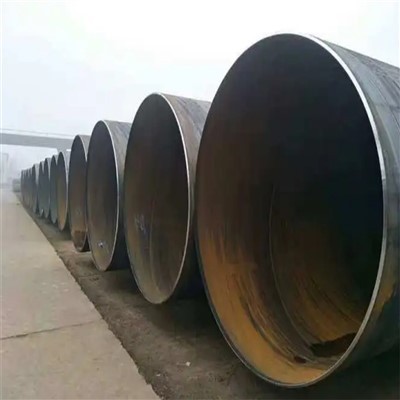
Hey there! As a supplier of straight seam pipes, I've had my fair share of experiences and insights into the formability properties of these pipes. In this blog, I'll break down what makes straight seam pipes so special in terms of formability and why they're a top choice for many industries.
What is Formability?
Before we dive into the formability of straight seam pipes, let's quickly understand what formability means. Formability refers to the ability of a material to be shaped into a desired form without cracking, tearing, or losing its structural integrity. In the case of straight seam pipes, formability is crucial as they often need to be bent, flared, or otherwise manipulated to fit specific applications.
Key Formability Properties of Straight Seam Pipes
Ductility
One of the most important formability properties of straight seam pipes is ductility. Ductility is the ability of a material to deform plastically under tensile stress without fracturing. Straight seam pipes, especially those made from high - quality steel, typically have good ductility. This means they can be stretched and bent to a certain extent without breaking. For example, when installing pipes in a building's plumbing system, the pipes may need to be bent around corners. Thanks to their ductility, straight seam pipes can easily accommodate these bends without any issues.
Malleability
Malleability is closely related to ductility but refers more to the ability of a material to be deformed under compressive stress. Straight seam pipes are generally malleable, which allows them to be hammered, rolled, or pressed into different shapes. This property is particularly useful in industries where pipes need to be formed into custom shapes for specific machinery or structures. For instance, in the manufacturing of automotive exhaust systems, straight seam pipes can be shaped to fit the unique design requirements of different vehicle models.
Bendability
Bendability is a specific formability property that is highly relevant to straight seam pipes. These pipes can be bent to various radii depending on their material composition and wall thickness. The bendability of straight seam pipes is often determined by factors such as the steel grade, heat treatment, and the presence of any internal or external defects. A well - made straight seam pipe can be bent into tight curves without wrinkling or collapsing, making it suitable for applications in industries like construction and oil and gas.
Flareability
Flareability is another important formability property. It refers to the ability of a pipe to have its end flared out to create a larger opening. Straight seam pipes can be flared to connect with other pipes or fittings more easily. This is commonly done in plumbing and hydraulic systems, where flared pipe ends provide a secure and leak - proof connection.
Factors Affecting Formability
Material Composition
The material composition of straight seam pipes plays a significant role in their formability. Pipes made from different steel grades have different formability characteristics. For example, pipes made from low - carbon steel are generally more ductile and malleable compared to those made from high - carbon steel. Alloying elements such as manganese, silicon, and nickel can also affect the formability of the pipes. These elements can enhance the strength and toughness of the steel while still maintaining good formability.
Wall Thickness
The wall thickness of straight seam pipes can also impact their formability. Thinner - walled pipes are generally more flexible and easier to bend and shape compared to thicker - walled pipes. However, thicker - walled pipes may be required in applications where higher strength and durability are needed. It's important to strike a balance between wall thickness and formability based on the specific requirements of the application.
Manufacturing Process
The manufacturing process of straight seam pipes can influence their formability. Pipes that are manufactured using advanced techniques, such as the submerged arc welding (SAW) process, often have better formability compared to those made using older or less precise methods. The quality of the weld in straight seam pipes also affects formability. A well - welded seam ensures that the pipe maintains its integrity during forming operations.
Applications and Formability
The formability properties of straight seam pipes make them suitable for a wide range of applications.


Construction Industry
In the construction industry, straight seam pipes are used for structural support, plumbing, and HVAC systems. Their bendability and flareability allow them to be easily integrated into building designs. For example, ASTM A572 GR50 LSAW Pipe is a popular choice in construction due to its excellent formability and high strength. These pipes can be bent to create arches and other architectural features, and their flared ends can be used to connect with other pipes and fittings.
Automotive Industry
The automotive industry also benefits from the formability of straight seam pipes. Pipes are used in exhaust systems, fuel lines, and other components. The ability of straight seam pipes to be shaped into complex geometries is essential for designing efficient and space - saving automotive systems. EN10219 S420NH High Strength Rectangular Hollow Sections are often used in the automotive industry for their combination of high strength and good formability.
Oil and Gas Industry
In the oil and gas industry, straight seam pipes are used for transporting oil, gas, and other fluids. These pipes may need to be laid over long distances and through various terrains, which requires them to be bendable and able to withstand different environmental conditions. High - Strength N80 Casing And Tubing are commonly used in this industry. Their formability allows them to be installed in challenging underground and offshore environments.
Conclusion
In conclusion, the formability properties of straight seam pipes, including ductility, malleability, bendability, and flareability, make them a versatile and valuable product in many industries. Their ability to be shaped into different forms while maintaining their structural integrity is a key advantage. Whether you're in the construction, automotive, or oil and gas industry, straight seam pipes can meet your specific formability requirements.
If you're in the market for high - quality straight seam pipes with excellent formability properties, I'd love to have a chat with you. We can discuss your specific needs and find the perfect pipes for your project. Don't hesitate to reach out for more information and to start the procurement process.
References
- "Metallurgy and Mechanics of Welding" by John Lancaster
- "Pipe Fabrication and Installation Handbook" by Richard A. Zink