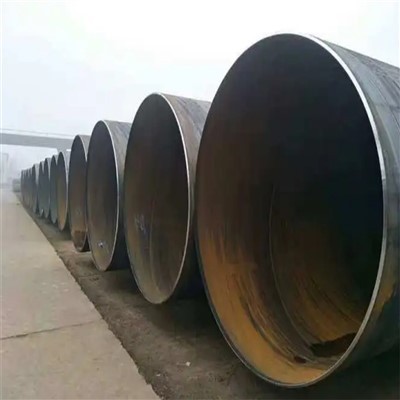
Hey there! As a supplier in the pipe fusion welding game, I've seen firsthand how crucial it is to get the quality of pipe fusion welding right. There are a bunch of factors that can mess with the quality of this process, and in this blog, I'm gonna break them down for you.
1. Material Quality
The quality of the pipes themselves is super important. If you're using sub - par pipes, no matter how good your welding technique is, you're gonna run into problems. Different types of pipes have different properties, and it's essential to pick the right ones for the job. For example, A691 CMSH70 CLASS41 TUBE is a high - quality carbon steel tube that's great for fusion welding. It has the right chemical composition and mechanical properties to ensure a strong and durable weld.
The chemical composition of the pipe material can affect how it melts and fuses during the welding process. Elements like carbon, sulfur, and phosphorus can have a big impact. Too much sulfur or phosphorus can make the weld brittle, while the right amount of carbon can improve the strength of the weld. So, when you're sourcing pipes, make sure to check the material certificates to ensure they meet the required standards.
2. Surface Preparation
You can't just start welding pipes without preparing their surfaces first. Any dirt, rust, oil, or paint on the pipe surfaces can interfere with the fusion process. Before welding, the pipes should be thoroughly cleaned to remove all contaminants. You can use wire brushes, sandpaper, or chemical cleaners to get the job done.
Proper surface preparation also involves beveling the edges of the pipes. Beveling helps to create a larger surface area for the weld to bond to, which results in a stronger joint. The angle and depth of the bevel depend on the thickness of the pipes and the welding process being used. For example, thicker pipes usually require a wider bevel angle.
3. Welding Equipment
The welding equipment you use plays a huge role in the quality of the fusion weld. You need to make sure that your welding machine is in good working condition and is set up correctly. The welding power source should be able to provide a stable and consistent current or voltage, depending on the welding process.
For instance, in electric fusion welding, the equipment needs to be calibrated to the right settings for the specific pipes being welded. Using A672 B65 Electric Fusion Welded Steel Pipes requires the welding machine to be set at the appropriate power level to ensure proper fusion. If the power is too low, the weld may not penetrate deeply enough, leading to a weak joint. On the other hand, if the power is too high, it can cause excessive melting and distortion of the pipes.
The type of welding electrode or filler material you use is also important. It should be compatible with the pipe material to ensure a good bond. Different electrodes have different properties, such as their melting point, strength, and corrosion resistance. So, choose the right one for your project.
4. Welding Technique
The skill of the welder is a major factor in the quality of pipe fusion welding. A good welder knows how to control the welding speed, arc length, and electrode angle. Welding too fast can result in a lack of fusion, while welding too slowly can cause the weld to overheat and become distorted.
The arc length is the distance between the welding electrode and the pipe surface. If the arc length is too long, the weld may be porous and weak. If it's too short, the electrode may stick to the pipe, causing problems. The welder also needs to maintain the correct electrode angle. Different welding positions (such as flat, horizontal, vertical, or overhead) require different electrode angles to ensure proper fusion.
For example, when welding A672 L75 Electric Fusion Welded Steel Pipe, a skilled welder will adjust their technique based on the pipe's position and thickness. They'll use the right amount of heat input and travel speed to create a high - quality weld.
5. Environmental Conditions
The environment in which the welding takes place can also affect the quality of the weld. Temperature and humidity are two key factors. If it's too cold, the pipes may cool too quickly during the welding process, which can lead to cracking. On the other hand, high humidity can introduce moisture into the weld, causing porosity and other defects.
Wind can also be a problem. It can blow away the shielding gas (if you're using a gas - shielded welding process), which is used to protect the weld from atmospheric contamination. So, it's important to provide a suitable environment for welding, such as using a welding tent or shelter to protect the work area from the elements.
6. Joint Design
The design of the pipe joint is crucial for a successful fusion weld. There are different types of joints, such as butt joints, lap joints, and tee joints. The choice of joint depends on the application and the type of pipes being used.


The fit - up of the joint is also important. The pipes should be properly aligned and clamped together before welding. Any gaps or misalignments can lead to inconsistent welds and weak joints. For example, a large gap between the pipes can cause the weld to sag or not fill properly.
7. Post - Weld Treatment
After the welding is done, post - weld treatment is necessary to ensure the long - term quality of the weld. This can include heat treatment, such as stress relieving. Stress relieving helps to reduce the internal stresses in the weld and the surrounding pipe material, which can prevent cracking and improve the overall durability of the joint.
Inspection is also an important part of post - weld treatment. Non - destructive testing methods, such as ultrasonic testing, radiographic testing, or magnetic particle testing, can be used to detect any internal defects in the weld. If any defects are found, they can be repaired before the pipes are put into service.
In conclusion, getting high - quality pipe fusion welding is a complex process that depends on many factors. From the quality of the pipes and the equipment used to the skill of the welder and the environmental conditions, every aspect matters. As a pipe fusion welding supplier, I understand the importance of these factors and am committed to providing high - quality products and solutions to my customers.
If you're in the market for pipe fusion welding products or have any questions about the process, don't hesitate to reach out. I'm here to help you with your projects and ensure that you get the best possible results. Let's work together to make your pipe welding projects a success!
References
- Welding Handbook, American Welding Society
- Pipe Fabrication and Welding Standards, International Organization for Standardization
- Materials Science and Engineering: An Introduction, William D. Callister Jr.