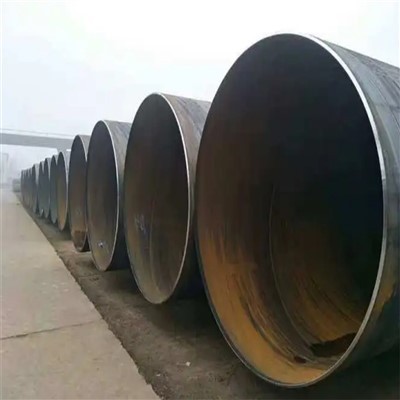
In the realm of construction, square pipes are a fundamental component, widely used for their versatility, strength, and aesthetic appeal. As a reputable square pipe supplier, I understand the importance of adhering to strict code requirements when incorporating these pipes into construction projects. This blog post aims to delve into the essential code requirements for using square pipes in construction, ensuring that your projects meet safety and quality standards.
Material Standards
One of the primary code requirements for square pipes in construction pertains to the material specifications. Square pipes can be made from various materials, including carbon steel, stainless steel, and aluminum. Each material has its own set of standards and properties that must be considered.
Carbon steel square pipes are commonly used in construction due to their high strength and affordability. The American Society for Testing and Materials (ASTM) sets the standards for carbon steel pipes, such as ASTM A500 for cold-formed welded and seamless carbon steel structural tubing. These standards specify the chemical composition, mechanical properties, and dimensional tolerances of the pipes. For instance, the minimum yield strength and tensile strength are clearly defined to ensure the pipes can withstand the expected loads in construction applications.
Stainless steel square pipes, on the other hand, offer excellent corrosion resistance, making them suitable for applications in harsh environments or where aesthetics are crucial. The ASTM also provides standards for stainless steel pipes, such as ASTM A270 for seamless and welded austenitic stainless steel sanitary tubing. When using stainless steel square pipes, it's important to select the appropriate grade based on the specific requirements of the project. For example, S185 Square Steel Pipes are known for their good strength and corrosion resistance, making them a popular choice in many construction scenarios.
Aluminum square pipes are lightweight and have good corrosion resistance, which is beneficial for applications where weight is a concern. The Aluminum Association (AA) establishes standards for aluminum pipes, covering aspects like alloy composition, temper, and mechanical properties.


Dimensional Requirements
Accurate dimensions are critical for the proper installation and performance of square pipes in construction. Code requirements typically specify the outer dimensions, wall thickness, and length tolerances of the pipes.
The outer dimensions of square pipes must be within a certain tolerance range to ensure compatibility with other components in the construction project. For example, if the pipes are to be connected to other structural elements, the precise dimensions are necessary to achieve a proper fit. Wall thickness is another important factor as it directly affects the strength and load-bearing capacity of the pipes. Thicker walls generally provide greater strength but may also increase the cost and weight of the structure.
Length tolerances are also specified to ensure that the pipes can be used efficiently in the construction process. Deviations in length can lead to difficulties in installation and may compromise the overall integrity of the structure. It's essential to source square pipes from a reliable supplier who can provide pipes with accurate dimensions that meet the relevant code requirements.
Welding and Joining Standards
In many construction projects, square pipes need to be welded or joined together to form the desired structure. Therefore, there are strict code requirements regarding welding and joining techniques.
When welding square pipes, the welder must be qualified and follow the appropriate welding procedures. The American Welding Society (AWS) provides standards and guidelines for welding various materials, including steel and stainless steel. These standards cover aspects such as welding processes, electrode selection, pre-weld and post-weld heat treatment, and inspection methods.
For example, when welding stainless steel square pipes, it's important to use the correct type of filler metal to ensure a strong and corrosion-resistant weld. The AWS also specifies the acceptable levels of weld defects, such as porosity, cracks, and lack of fusion. Non-destructive testing methods, such as ultrasonic testing or radiographic testing, may be required to inspect the quality of the welds.
In addition to welding, other joining methods such as mechanical fastening may also be used for square pipes. In such cases, the fasteners must be of the appropriate type and size, and the installation must follow the manufacturer's instructions and relevant code requirements.
Fire Resistance
Fire resistance is a crucial consideration in construction, and square pipes used in buildings must meet certain fire resistance standards.
The International Building Code (IBC) and other relevant codes specify the fire resistance ratings for different building components, including structural members made of square pipes. The fire resistance rating is typically measured in hours and indicates the length of time the pipe can maintain its structural integrity under fire conditions.
To achieve the required fire resistance, various methods can be employed. For example, fireproof coatings can be applied to the square pipes to slow down the heating process and prevent the pipes from losing their strength too quickly in a fire. The application of these coatings must follow the manufacturer's instructions and be inspected to ensure compliance with the code requirements.
Corrosion Protection
Corrosion can significantly reduce the lifespan and performance of square pipes, especially in environments where they are exposed to moisture, chemicals, or other corrosive agents. Therefore, code requirements often include provisions for corrosion protection.
For carbon steel square pipes, galvanizing is a common method of corrosion protection. Galvanized pipes have a zinc coating that acts as a barrier between the steel and the environment, preventing rust and corrosion. The thickness of the zinc coating is specified in relevant standards to ensure effective protection.
In addition to galvanizing, other corrosion protection methods such as painting or applying protective coatings can also be used. The type of coating and the application process must be appropriate for the specific environment and the material of the pipes. For example, 347 Stainless Steel Square Tube already has good inherent corrosion resistance, but additional coating may be applied in extremely corrosive environments to enhance its durability.
Structural Design and Load-Bearing Capacity
Square pipes are used in various structural applications, and they must be designed to carry the expected loads safely. Code requirements for structural design involve calculating the load-bearing capacity of the pipes based on factors such as the material properties, dimensions, and the type of loads (e.g., dead loads, live loads, wind loads, and seismic loads).
Engineers use structural analysis methods and design codes, such as the American Institute of Steel Construction (AISC) specifications, to determine the appropriate size and configuration of square pipes for a given structure. These codes provide formulas and guidelines for calculating the stresses and deflections in the pipes under different loading conditions.
It's important to note that the load-bearing capacity of square pipes can be affected by factors such as the end conditions (e.g., fixed or pinned), the presence of holes or notches, and the interaction with other structural elements. Therefore, a comprehensive structural design approach is necessary to ensure the safety and stability of the construction project.
Inspection and Testing
Regular inspection and testing are essential to ensure that the square pipes used in construction meet the code requirements. Inspection can be carried out at various stages, including during manufacturing, delivery, and installation.
During manufacturing, the supplier should conduct in-house quality control checks to ensure that the pipes are produced according to the relevant standards. This may include visual inspection, dimensional measurement, and mechanical testing. For example, samples of the pipes may be tested for tensile strength, yield strength, and hardness.
Upon delivery to the construction site, the pipes should be inspected again to verify their quality and compliance with the project specifications. Any damaged or non-conforming pipes should be rejected.
During installation, the work should be inspected to ensure that the pipes are installed correctly, including proper welding, joining, and alignment. Non-destructive testing methods may be used to detect any hidden defects in the pipes or welds.
In conclusion, using square pipes in construction requires strict adherence to a variety of code requirements. As a square pipe supplier, I am committed to providing high-quality pipes that meet all the relevant standards. Our 321 Seamless Stainless Steel Tube Square and other products are carefully manufactured and tested to ensure their performance and compliance. If you are planning a construction project and need square pipes, I encourage you to contact us for more information and to discuss your specific requirements. We are ready to assist you in selecting the right square pipes for your project and ensuring that they meet all the necessary code requirements.
References
- American Society for Testing and Materials (ASTM) standards
- American Welding Society (AWS) standards
- American Institute of Steel Construction (AISC) specifications
- International Building Code (IBC)
- Aluminum Association (AA) standards