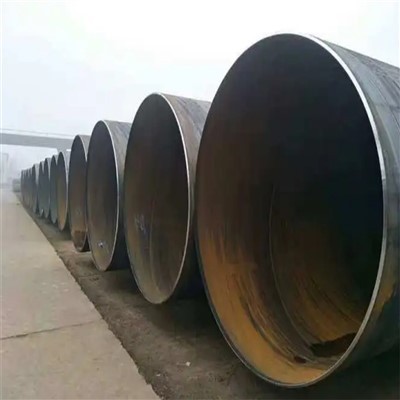
As a supplier of ERW (Electric Resistance Welded) steel pipes, I've had a deep - seated interest in exploring the various connection methods for these pipes. Each connection method comes with its own set of advantages and disadvantages, which can significantly impact the overall performance and cost - effectiveness of a project. In this blog, I'll delve into the most common connection methods for ERW steel pipes and analyze their pros and cons.
Welded Connections
Welded connections are one of the most widely used methods for joining ERW steel pipes. The process involves melting the edges of the pipes and fusing them together, creating a strong and permanent bond.
Advantages
- High Strength: Welded joints can provide a strength that is often equal to or greater than that of the base metal. This makes them suitable for high - pressure applications, such as in oil and gas pipelines or industrial piping systems. For instance, in a high - pressure steam pipeline, a welded connection can withstand the intense pressure without leaking or failing.
- Leak - Tight: A well - executed weld creates a seamless and leak - tight joint. This is crucial in applications where preventing fluid or gas leakage is of utmost importance, like in chemical processing plants or water supply systems.
- Long - Term Durability: Welded connections are resistant to mechanical stress, vibration, and corrosion over the long term. This ensures the structural integrity of the pipeline system for an extended period, reducing the need for frequent maintenance and repairs.
Disadvantages
- Skilled Labor Required: Welding is a specialized skill that requires trained and experienced welders. The quality of the weld depends heavily on the welder's expertise. A poorly welded joint can lead to weak spots, cracks, and potential failures, which may result in costly repairs and safety hazards.
- Time - Consuming: The welding process is time - consuming, especially for large - scale projects. It involves pre - welding preparations, such as cleaning and beveling the pipe edges, and post - welding inspections to ensure the quality of the weld. This can delay the project schedule and increase labor costs.
- Heat - Affected Zone (HAZ): During the welding process, the heat generated can cause changes in the microstructure of the steel in the HAZ. This can lead to a reduction in the mechanical properties of the steel, such as hardness and toughness, making the area more susceptible to corrosion and cracking.
Threaded Connections
Threaded connections involve cutting threads on the ends of the pipes and using threaded couplings or fittings to join them together. This method is commonly used in small - diameter pipes and low - pressure applications.


Advantages
- Easy Installation: Threaded connections are relatively easy to install and do not require specialized welding equipment or highly skilled labor. This makes them a popular choice for DIY projects or small - scale plumbing installations. For example, in a home plumbing system, a homeowner can easily install threaded pipes and fittings without professional help.
- Reusability: Threaded connections can be easily disassembled and reassembled, which is useful for maintenance, repairs, or modifications to the pipeline system. If a section of the pipe needs to be replaced, the threaded connection allows for quick and convenient removal and installation of the new pipe.
- Cost - Effective for Small - Scale Projects: The initial cost of threaded pipes and fittings is generally lower than that of welded pipes. Additionally, the installation cost is also reduced due to the simplicity of the installation process, making it a cost - effective option for small - scale projects.
Disadvantages
- Limited Pressure and Temperature Resistance: Threaded connections are not suitable for high - pressure or high - temperature applications. The threads can loosen over time due to vibration, thermal expansion, or pressure fluctuations, leading to leaks. For example, in a high - pressure steam system, a threaded connection may not be able to withstand the pressure and may start to leak.
- Sealing Issues: Achieving a proper seal in threaded connections can be challenging. Thread sealants or tapes are often required to prevent leakage, but these may not always provide a reliable and long - lasting seal. Over time, the sealant may dry out or break down, resulting in leaks.
- Mechanical Stress Concentration: The threads create stress concentration points in the pipe, which can lead to premature failure under certain conditions. This is especially true in applications where the pipe is subjected to cyclic loading or vibration.
Flanged Connections
Flanged connections use flanges, which are flat, circular discs with holes, to connect the pipes. The flanges are bolted together, and a gasket is placed between them to create a seal.
Advantages
- Easy Inspection and Maintenance: Flanged connections can be easily disassembled for inspection, cleaning, or replacement of components. This is particularly useful in applications where regular maintenance is required, such as in food processing plants or pharmaceutical manufacturing facilities.
- High - Pressure and High - Temperature Resistance: Flanged connections can withstand high pressures and temperatures, making them suitable for a wide range of industrial applications. The bolts provide a strong clamping force, ensuring a tight and reliable seal even under extreme conditions.
- Versatility: Flanged connections can be used with different types of pipes and materials, and they can accommodate various pipe sizes. This makes them a versatile option for different pipeline systems.
Disadvantages
- High Cost: Flanged connections are more expensive than threaded connections due to the cost of the flanges, bolts, and gaskets. Additionally, the installation cost is also higher because of the need for precise alignment and tightening of the bolts.
- Large Space Requirement: Flanged connections require more space compared to other connection methods. This can be a limitation in applications where space is limited, such as in underground pipelines or compact machinery.
- Gasket Failure Risk: The gasket is a critical component in a flanged connection, and its failure can lead to leaks. Gaskets can degrade over time due to factors such as temperature, pressure, and chemical exposure, requiring regular replacement.
Compression Connections
Compression connections use a compression fitting, which consists of a nut, a sleeve, and a compression ring, to join the pipes. The nut is tightened, compressing the sleeve and the compression ring against the pipe, creating a seal.
Advantages
- Quick and Easy Installation: Compression connections can be installed quickly without the need for welding or threading. This makes them ideal for applications where a fast installation is required, such as in emergency repairs or temporary piping systems.
- Good for Soft or Thin - Walled Pipes: Compression connections are suitable for soft or thin - walled pipes, as they do not require excessive force or heat during installation. This helps to prevent damage to the pipe.
- Sealing Performance: Compression connections can provide a reliable seal, especially when used with the appropriate type of compression fitting and pipe material.
Disadvantages
- Limited Pressure Resistance: Compression connections are generally not suitable for high - pressure applications. The compression force may not be sufficient to withstand high pressures, leading to leaks.
- Susceptibility to Vibration: Vibration can cause the compression fitting to loosen over time, resulting in leaks. In applications where the pipe is subjected to vibration, such as in a pumping station or a machine shop, additional measures may be required to secure the compression connection.
- Fitting Compatibility: Compression fittings need to be carefully selected to ensure compatibility with the pipe material and size. Using an incompatible fitting can lead to poor sealing and premature failure.
In conclusion, each connection method for ERW steel pipes has its own unique advantages and disadvantages. The choice of connection method depends on various factors, such as the application requirements, pressure and temperature conditions, installation cost, and maintenance needs. As a supplier of ERW steel pipes, we offer a wide range of products, including EN10217 - 1 P235TR2 Steel Pipe, A53 Resistance Welded Pipe, and A572 ERW Pipe. Our team of experts can help you select the most appropriate connection method and pipe products for your specific project. If you are interested in purchasing ERW steel pipes or have any questions about connection methods, please feel free to contact us for a detailed discussion and procurement negotiation.
References
- ASME B31.3 - Process Piping Code
- API 5L - Specification for Line Pipe
- ASTM A53 - Standard Specification for Pipe, Steel, Black and Hot - Dipped, Zinc - Coated, Welded and Seamless