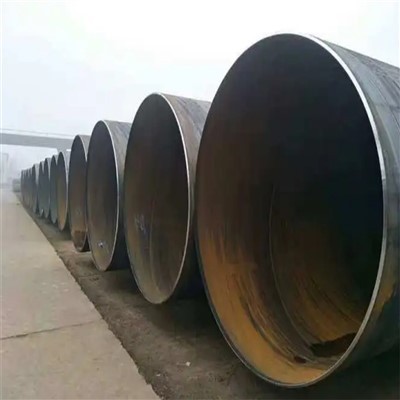
Installing straight seam steel pipes correctly is crucial for ensuring the long - term performance and safety of various piping systems. As a straight seam steel pipe supplier, I understand the importance of providing accurate installation guidance to our customers. In this blog, I will share detailed steps and essential tips on how to install straight seam steel pipes correctly.


Pre - installation Preparations
Before starting the installation process, it is essential to conduct thorough preparations. First, you need to select the appropriate straight seam steel pipes according to the specific requirements of your project. Our company offers a wide range of high - quality straight seam steel pipes, such as Top Quality STBA28 Boiler Pipes, S235 Straight Seam Welded Steel Pipe, and Q345 Welded Round Steel. These pipes are made of high - grade materials and are manufactured with advanced techniques to meet different industrial needs.
Measure the installation area accurately to determine the length and quantity of the pipes required. Make sure to account for any bends, fittings, or connections that will be needed. It is also important to check the pipes for any damage or defects before installation. Inspect the surface of the pipes for scratches, dents, or cracks, as these can affect the integrity of the piping system.
Gather all the necessary tools and equipment for the installation. Common tools include pipe cutters, welding machines (if welding is required), pipe wrenches, measuring tapes, and safety gear such as gloves and goggles. Ensure that all tools are in good working condition and are suitable for the type of pipes being installed.
Site Preparation
Prepare the installation site to ensure a stable and safe working environment. Clear the area of any debris, obstacles, or hazards. If the pipes are to be installed underground, dig a trench of the appropriate depth and width. The trench should have a flat and level bottom to prevent the pipes from shifting or settling unevenly.
If the pipes are to be installed above - ground, install the necessary supports and brackets. The supports should be strong enough to hold the weight of the pipes and any fluid or gas that will flow through them. Space the supports at regular intervals according to the pipe diameter and the installation requirements.
Pipe Cutting and Fitting
If the pipes need to be cut to the appropriate length, use a suitable pipe cutter. Make sure to cut the pipes straight and at a right angle to ensure proper fitting. After cutting, deburr the edges of the pipes to remove any sharp or rough edges that could cause damage to gaskets or fittings.
When it comes to fitting the pipes together, there are several methods available, including welding, threading, and using mechanical couplings. Welding is a common method for joining straight seam steel pipes, especially in high - pressure or high - temperature applications. If welding is chosen, ensure that the welders are qualified and experienced. Follow the appropriate welding procedures and standards to ensure strong and leak - free joints.
Threading is another option for joining pipes. Thread the ends of the pipes using a pipe threading machine. Apply a suitable thread sealant to the threads to prevent leaks. Mechanical couplings are a quick and easy way to connect pipes. They are suitable for both underground and above - ground installations and can be used in a variety of applications.
Installation and Alignment
Begin installing the pipes by laying them in the trench or on the supports. Start from one end and work your way to the other. Make sure to align the pipes properly to ensure a smooth and continuous flow of fluid or gas. Use a level and a measuring tape to check the alignment of the pipes at regular intervals.
As the pipes are being installed, connect them together using the chosen fitting method. If welding, allow the welds to cool and solidify before proceeding. If using threading or mechanical couplings, tighten the connections securely but do not over - tighten, as this can damage the pipes or fittings.
Testing and Inspection
Once the pipes are installed, conduct a pressure test to check for leaks. The pressure test should be carried out at a pressure higher than the normal operating pressure to ensure the integrity of the piping system. Use a pressure gauge to monitor the pressure during the test.
Inspect the pipes and joints visually for any signs of leaks, cracks, or other defects. Check the alignment of the pipes and the supports to ensure that they are still in place and functioning properly. If any issues are found, repair them immediately before the system is put into service.
Maintenance and Care
After the installation is complete and the system is in operation, regular maintenance is essential to ensure the long - term performance of the straight seam steel pipes. Inspect the pipes and joints periodically for any signs of corrosion, wear, or damage. Clean the pipes regularly to remove any dirt, debris, or scale that may accumulate inside the pipes.
If any parts of the pipes or fittings need to be replaced, use high - quality replacement parts that are compatible with the existing system. Follow the manufacturer's recommendations for maintenance and care to extend the lifespan of the piping system.
Conclusion
Installing straight seam steel pipes correctly is a complex but essential process. By following the steps and tips outlined in this blog, you can ensure a successful installation that will provide a reliable and long - lasting piping system. As a straight seam steel pipe supplier, we are committed to providing our customers with high - quality products and professional installation guidance.
If you are interested in purchasing straight seam steel pipes or need more information about their installation, please feel free to contact us for further discussion and procurement negotiation. We look forward to working with you on your next project.
References
- "Steel Pipe Handbook" by the American Iron and Steel Institute.
- "Piping Design and Engineering" by Cameron Engineering and Associates.
- Industry standards and guidelines related to straight seam steel pipe installation, such as ASTM and ASME standards.