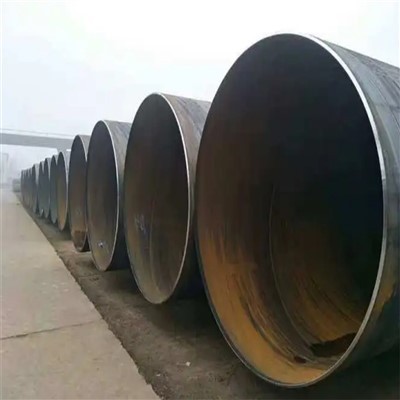
Hey there! I'm a supplier of SAWL Carbon Steel Tubes, and today I wanna chat about how to improve the fire - resistance of these tubes. It's super important, especially when these tubes are used in environments where fire risks are a concern, like in industrial settings or buildings.
Understanding the Basics of SAWL Carbon Steel Tubes
First off, let's quickly go over what SAWL Carbon Steel Tubes are. SAWL stands for Submerged Arc Welded Longitudinal. These tubes are made by bending a steel plate into a cylindrical shape and then welding the seam longitudinally using the submerged arc welding process. They're strong, durable, and widely used in various industries, from oil and gas to construction.
But the thing is, carbon steel isn't naturally fire - resistant. When exposed to high temperatures, its strength and integrity can be compromised. So, we need to take some steps to boost its fire - resistance.
1. Coatings
One of the most common ways to improve fire - resistance is by applying special coatings to the SAWL Carbon Steel Tubes. There are different types of coatings available, and each has its own pros and cons.
Intumescent Coatings
Intumescent coatings are pretty cool. When they're exposed to fire, they expand and form a thick, insulating char layer. This char layer acts as a barrier, slowing down the transfer of heat to the steel tube. It gives you more time before the tube loses its structural integrity. For example, in a building fire, this extra time can be crucial for evacuation and firefighting efforts.
There are water - based and solvent - based intumescent coatings. Water - based coatings are more environmentally friendly and easier to apply, but they might not be as durable as solvent - based ones. Solvent - based coatings, on the other hand, offer better long - term protection but can be a bit more challenging to work with due to the solvents involved.
Fire - Resistant Paint
Fire - resistant paint is another option. It contains special additives that can withstand high temperatures. You can find a variety of fire - resistant paints on the market, with different levels of protection. Some are designed for light - duty applications, while others can handle more extreme heat. When choosing a fire - resistant paint, make sure to consider the specific requirements of your project. For instance, if the tubes are going to be used in an industrial furnace area, you'll need a paint that can handle very high temperatures.
2. Insulation
In addition to coatings, insulation can also play a big role in improving fire - resistance. Insulating materials can be wrapped around the SAWL Carbon Steel Tubes to reduce the heat transfer rate.


Mineral Wool Insulation
Mineral wool is a popular choice. It's made from natural minerals like basalt or slag. Mineral wool has excellent fire - resistant properties and can withstand high temperatures without melting or burning. It also provides good thermal insulation, which can help save energy in normal operating conditions. You can use mineral wool blankets or boards to wrap the tubes. Just make sure to install them properly to ensure maximum effectiveness.
Ceramic Fiber Insulation
Ceramic fiber insulation is another high - performance option. It can handle extremely high temperatures, making it suitable for applications where the tubes are exposed to intense heat, such as in power plants or steel mills. However, ceramic fiber insulation can be a bit more expensive than mineral wool. And when working with it, you need to take proper safety precautions because the fibers can be a health hazard if inhaled.
3. Alloying Elements
Adding certain alloying elements to the carbon steel can also enhance its fire - resistance.
Chromium
Chromium is a well - known alloying element for improving heat and corrosion resistance. When added to carbon steel, it forms a thin, protective oxide layer on the surface of the tube. This oxide layer can prevent further oxidation and degradation of the steel at high temperatures. Chromium - alloyed SAWL Carbon Steel Tubes can maintain their strength and integrity better in fire situations compared to regular carbon steel tubes.
Nickel
Nickel is another element that can be added. It improves the toughness and ductility of the steel, especially at high temperatures. Nickel - containing steel is more resistant to thermal shock, which can occur during a fire when the temperature changes rapidly. This means the tubes are less likely to crack or fail suddenly.
4. Design Considerations
The design of the SAWL Carbon Steel Tubes and their installation can also impact fire - resistance.
Spacing
When installing the tubes, make sure to leave enough space between them. This allows for better air circulation, which can help dissipate heat. If the tubes are too close together, the heat can build up, and the fire - resistance of the individual tubes can be affected.
Support Structures
The support structures for the tubes should also be designed with fire - resistance in mind. Using fire - resistant materials for the supports can prevent the tubes from collapsing prematurely in a fire. For example, you can use fire - rated concrete or steel with proper fire - protection measures for the support frames.
Product Recommendations
If you're in the market for reliable SAWL Carbon Steel Tubes and related products, I'd like to mention a few options. You can check out Reliable N80 Pipes For Oil Wells. These pipes are known for their high quality and performance. Also, STEEL TUBE PIPE A 53 is a great choice for various applications. And if you're looking for a specific type of arc - welded carbon steel pipe, JIS G3457 Arc Welded Carbon Steel Pipe might be what you need.
Conclusion
Improving the fire - resistance of SAWL Carbon Steel Tubes is crucial for ensuring the safety and reliability of various applications. By using coatings, insulation, alloying elements, and proper design, we can significantly enhance the ability of these tubes to withstand fire. If you're interested in learning more about our SAWL Carbon Steel Tubes or have any questions regarding fire - resistance improvement, feel free to reach out. We're here to help you find the best solutions for your projects. Whether you're in the oil and gas industry, construction, or any other field that uses these tubes, we can provide you with high - quality products and expert advice. Let's have a chat and see how we can work together to meet your needs!
References
- "Fire Resistance of Steel Structures" by John Wiley & Sons
- "Handbook of Carbon Steel Alloys" by ASM International
- Industry reports on fire - resistant materials and their applications in the steel industry