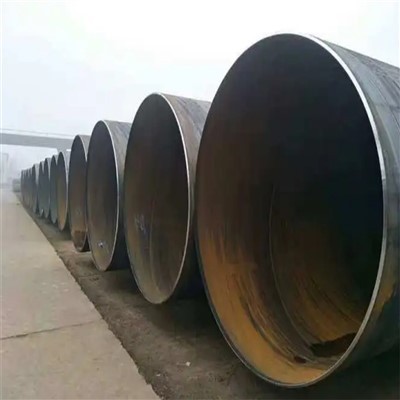
Ensuring the proper insulation of pipe fittings is a critical aspect of any piping system, whether it's for residential, commercial, or industrial applications. As a Pipe Fitting supplier, I understand the importance of this process and the impact it can have on the overall efficiency and longevity of the system. In this blog post, I will share some key steps and considerations to help you ensure the proper insulation of pipe fittings.
Understanding the Importance of Pipe Fitting Insulation
Before diving into the insulation process, it's essential to understand why insulation is necessary. Insulation serves several purposes, including:
- Energy Efficiency: Proper insulation helps to reduce heat loss or gain in the pipes, which can significantly lower energy consumption and costs. This is especially important in systems that transport hot or cold fluids.
- Preventing Condensation: Insulation can prevent condensation from forming on the pipes, which can lead to corrosion, mold growth, and water damage.
- Maintaining Temperature: Insulation helps to maintain the temperature of the fluid inside the pipes, ensuring that it reaches its destination at the desired temperature.
- Noise Reduction: Insulation can also reduce noise transmission through the pipes, creating a more comfortable environment.
Selecting the Right Insulation Material
The first step in ensuring proper insulation of pipe fittings is selecting the right insulation material. There are several types of insulation materials available, each with its own advantages and disadvantages. Some of the most common insulation materials for pipe fittings include:
- Fiberglass: Fiberglass insulation is a popular choice due to its affordability, ease of installation, and good thermal performance. It is available in various forms, such as blankets, batts, and tubes.
- Mineral Wool: Mineral wool insulation is another commonly used material. It is made from natural or synthetic minerals and offers excellent fire resistance, sound absorption, and thermal insulation properties.
- Polyurethane Foam: Polyurethane foam insulation is a high-performance material that provides excellent thermal insulation and moisture resistance. It is often used in applications where space is limited or where a high level of insulation is required.
- Rubber Foam: Rubber foam insulation is a flexible and durable material that is resistant to moisture, chemicals, and UV radiation. It is commonly used in HVAC systems and refrigeration applications.
When selecting an insulation material, consider factors such as the temperature range of the fluid, the environment in which the pipes are located, the level of insulation required, and the cost. It's also important to ensure that the insulation material is compatible with the pipe material and any other components of the piping system.
Measuring and Cutting the Insulation
Once you have selected the right insulation material, the next step is to measure and cut it to fit the pipe fittings. This is a crucial step, as improper sizing can lead to gaps and voids in the insulation, which can reduce its effectiveness.
To measure the insulation, use a tape measure to determine the length and circumference of the pipe fittings. Make sure to add a little extra length to allow for overlapping and sealing. When cutting the insulation, use a sharp utility knife or insulation cutter to ensure clean and precise cuts.
Installing the Insulation
After measuring and cutting the insulation, it's time to install it on the pipe fittings. The installation process will vary depending on the type of insulation material and the shape of the pipe fittings. Here are some general guidelines to follow:
- Prepare the Pipes: Before installing the insulation, make sure the pipes are clean and dry. Remove any dirt, grease, or debris from the surface of the pipes.
- Wrap the Insulation: For cylindrical pipe fittings, such as pipes and elbows, wrap the insulation around the pipe, starting at one end and working your way to the other. Make sure to overlap the insulation by at least 2 inches to prevent heat transfer through the seams.
- Secure the Insulation: Use insulation tape or wire to secure the insulation in place. Make sure the insulation is tightly wrapped around the pipe and that there are no gaps or voids.
- Insulate the Fittings: For pipe fittings such as valves, flanges, and tees, use pre-cut insulation covers or custom-fabricated insulation to ensure proper coverage. Make sure to seal the edges of the insulation covers to prevent heat transfer.
Sealing the Insulation
Sealing the insulation is an important step in ensuring its effectiveness. Sealing helps to prevent air and moisture from entering the insulation, which can reduce its thermal performance. Here are some tips for sealing the insulation:
- Use Sealing Tape: Use insulation tape to seal the seams and edges of the insulation. Make sure the tape is applied tightly and that there are no gaps or voids.
- Apply Sealant: For larger gaps or joints, use a sealant to fill the gaps and prevent air and moisture from entering. Make sure the sealant is compatible with the insulation material and the pipe material.
- Inspect the Seals: After sealing the insulation, inspect the seals to make sure they are intact and that there are no leaks. If you find any leaks, repair them immediately.
Maintaining the Insulation
Once the insulation is installed and sealed, it's important to maintain it to ensure its long-term effectiveness. Here are some tips for maintaining the insulation:
- Inspect the Insulation Regularly: Inspect the insulation regularly for signs of damage, such as tears, holes, or moisture. If you find any damage, repair it immediately.
- Keep the Insulation Clean: Keep the insulation clean and free of dirt, debris, and moisture. This will help to prevent the growth of mold and mildew and ensure the insulation's thermal performance.
- Replace Damaged Insulation: If the insulation is severely damaged or has lost its effectiveness, replace it with new insulation.
Conclusion
Ensuring the proper insulation of pipe fittings is essential for the efficiency, longevity, and safety of any piping system. By selecting the right insulation material, measuring and cutting it correctly, installing it properly, sealing it effectively, and maintaining it regularly, you can ensure that your pipe fittings are well-insulated and performing at their best.


If you are in need of high-quality pipe fittings or insulation materials, please visit our website to explore our wide range of products, including 316 Flange Nipple Pipe Fitting, 304L Flange Nipple Pipe Fitting, and SS304 Stainless Steel Pipe Fitting. Our team of experts is always ready to assist you with your piping system needs. Contact us today to discuss your requirements and start a procurement negotiation.
References
- ASHRAE Handbook - Fundamentals. American Society of Heating, Refrigerating and Air-Conditioning Engineers.
- Insulation Installation Guidelines. National Insulation Association.
- Pipe Fitting Handbook. Pipe Fitting Manufacturers Association.