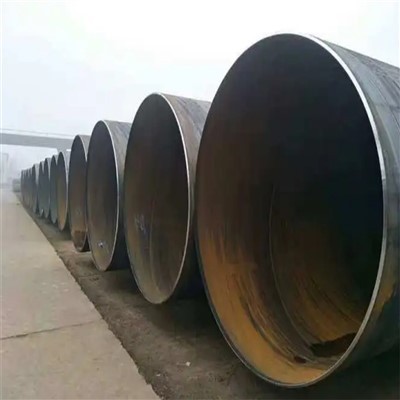
Hey there! As a pipe fitting supplier, I've seen a lot of folks scratching their heads over how to choose the right pipe fitting size. It's not as straightforward as it might seem, but don't worry—I'm here to break it down for you.
First off, let's talk about why getting the right size is such a big deal. Using the wrong pipe fitting size can lead to all sorts of problems. You might end up with leaks, which can cause water damage, corrosion, and even system failures. And let's not forget about the inefficiency that comes with improper sizing. It can make your pipes work harder than they need to, leading to higher energy costs and a shorter lifespan for your plumbing or piping system.
So, where do you start? Well, the first thing you need to do is figure out the flow rate of your system. Flow rate refers to the volume of fluid (like water or gas) that passes through the pipe in a given amount of time. You can usually find this information in the system's specifications or by doing some calculations based on the equipment it's connected to. For example, if you're dealing with a water supply system for a building, you'll need to know how many fixtures (like sinks, toilets, and showers) are connected and how much water they use per minute.
Once you have the flow rate, you can use it to determine the appropriate pipe diameter. Generally speaking, larger pipes can handle higher flow rates with less resistance. But you don't want to go too big either, because that can lead to wasted space and increased costs. A good rule of thumb is to choose a pipe diameter that allows for a reasonable flow velocity. Flow velocity is the speed at which the fluid moves through the pipe, and it's typically measured in feet per second (fps). For most residential and commercial applications, a flow velocity of 2 to 8 fps is considered acceptable.
Another important factor to consider is the pressure in your system. Pressure is the force exerted by the fluid against the walls of the pipe, and it can vary depending on the source of the fluid, the elevation of the system, and the type of equipment it's connected to. You need to make sure that the pipe fittings you choose can handle the maximum pressure that your system will experience. This information is usually provided in the form of a pressure rating, which indicates the maximum pressure that the fitting can safely withstand.
When it comes to choosing the right pipe fitting size, it's also important to take into account the type of fluid that will be flowing through the pipes. Different fluids have different properties, such as viscosity and corrosiveness, which can affect the performance of the pipe fittings. For example, if you're dealing with a corrosive fluid, you'll need to choose pipe fittings that are made from a material that is resistant to corrosion, such as stainless steel. Wp321 Stainless Steel Pipe Fittings are a great option for applications where corrosion resistance is a concern. They're made from high-quality stainless steel that can withstand the harsh conditions of many industrial and commercial environments.
In addition to the flow rate, pressure, and fluid type, you also need to consider the type of connection that you'll be using. There are several different types of pipe connections, including threaded, welded, and flanged connections. Each type of connection has its own advantages and disadvantages, and the choice of connection will depend on factors such as the application, the type of pipe, and the installation requirements. For example, threaded connections are easy to install and remove, but they may not be suitable for high-pressure applications. On the other hand, welded connections provide a strong and leak-proof joint, but they require specialized equipment and skills to install. Thread Stainless Steel Pipe Fittings are a popular choice for applications where a threaded connection is required. They're available in a variety of sizes and configurations, and they can be easily installed using standard tools.
Now, let's talk about how to measure the size of your pipes and fittings. The most common way to measure pipe size is by using the nominal pipe size (NPS) system. NPS is a standardized system that uses a number to indicate the approximate inside diameter of the pipe. For example, a pipe with an NPS of 1 inch has an inside diameter of approximately 1 inch. However, it's important to note that the actual inside diameter of the pipe may vary slightly depending on the wall thickness of the pipe.
To measure the size of a pipe fitting, you'll need to measure the outside diameter (OD) of the pipe that the fitting will be connected to. This is because most pipe fittings are designed to fit over the outside of the pipe. You can use a caliper or a tape measure to measure the OD of the pipe. Once you have the OD measurement, you can use it to select the appropriate size of pipe fitting.


It's also a good idea to have some spare pipe fittings on hand in case you need to make any repairs or replacements. You never know when something might go wrong, and having a few extra fittings can save you a lot of time and hassle. When choosing spare fittings, make sure to choose the same size and type of fittings that you're currently using in your system.
In conclusion, choosing the right pipe fitting size is an important part of any plumbing or piping project. By considering factors such as the flow rate, pressure, fluid type, and type of connection, you can ensure that your system operates efficiently and safely. And if you're ever in doubt, don't hesitate to consult with a professional. As a pipe fitting supplier, I'm always here to help. Whether you're working on a small residential project or a large industrial installation, I can provide you with the expertise and products you need to get the job done right. If you're interested in learning more about our Wp321 Stainless Steel Pipe Fittings, Thread Stainless Steel Pipe Fittings, or 304L Seamless Pipe Fitting, or if you have any questions about choosing the right pipe fitting size, feel free to reach out. Let's start a conversation and see how we can work together to meet your pipe fitting needs.
References
- "Pipe Fitting Handbook," Various industry experts
- "Fluid Mechanics for Plumbers," Plumbing textbooks