

Hey there! As a round pipe supplier, I often get asked if round pipes can be used in geothermal systems. Well, the short answer is yes, and in this blog, I'll dive deep into why and how round pipes fit into these energy - efficient systems.
The Basics of Geothermal Systems
First off, let's understand what geothermal systems are. Geothermal energy is a renewable energy source that harnesses the heat from the Earth's core. Geothermal systems use this heat for heating and cooling buildings. There are two main types: open - loop and closed - loop systems.
In an open - loop system, water is pumped from a well, passed through a heat exchanger to transfer heat, and then either returned to the ground or a surface water body. A closed - loop system, on the other hand, circulates a heat - transfer fluid (usually a mixture of water and antifreeze) through a series of pipes buried underground. The fluid absorbs heat from the ground in winter and releases it in summer.
Why Round Pipes?
Hydraulic Efficiency
One of the key reasons round pipes are great for geothermal systems is their hydraulic efficiency. The circular shape of round pipes offers the least amount of resistance to fluid flow compared to other shapes. When the heat - transfer fluid circulates through the pipes, it can move more smoothly, reducing the energy required to pump it. This means lower operating costs for the geothermal system in the long run.
Structural Integrity
Round pipes have excellent structural integrity. They can withstand the external pressure from the surrounding soil when buried underground. In a geothermal system, pipes are often installed several feet below the surface, where they are subject to significant pressure. The uniform distribution of stress around the circumference of a round pipe makes it less likely to collapse or deform under this pressure.
Heat Transfer
Round pipes also provide efficient heat transfer. The circular cross - section allows for a more even distribution of the heat - transfer fluid, maximizing the contact area between the fluid and the pipe wall. This results in better heat exchange between the fluid and the ground, enhancing the overall performance of the geothermal system.
Types of Round Pipes for Geothermal Systems
High - Performance AL - 6XN Steel Pipe
The [High - Performance AL - 6XN Steel Pipe](/stainless - steel - tube/round - pipe/high - performance - al - 6xn - steel - pipe.html) is an excellent choice for geothermal applications. This steel pipe offers high corrosion resistance, which is crucial when the pipes are in contact with groundwater or soil that may contain corrosive substances. It can also withstand high temperatures and pressures, ensuring long - term reliability in geothermal systems.
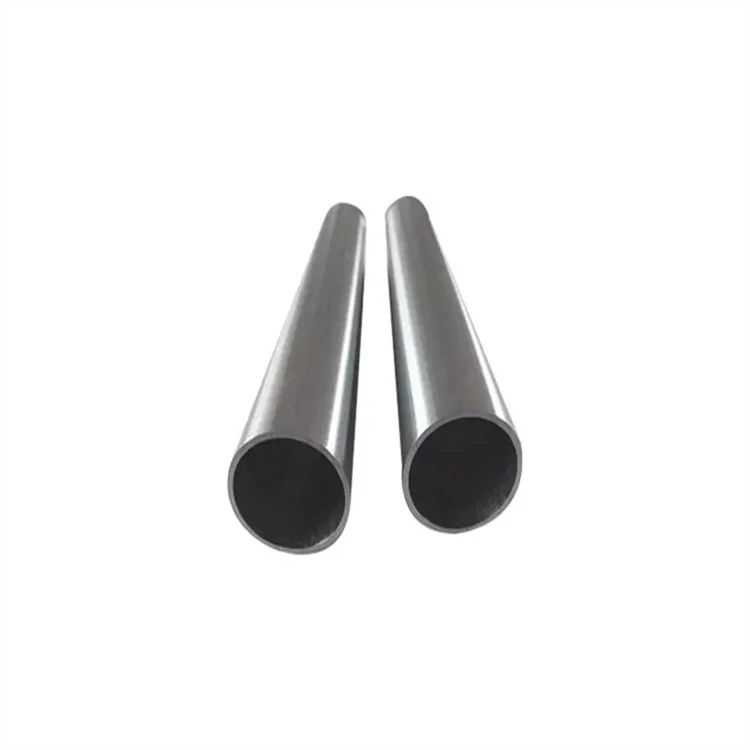
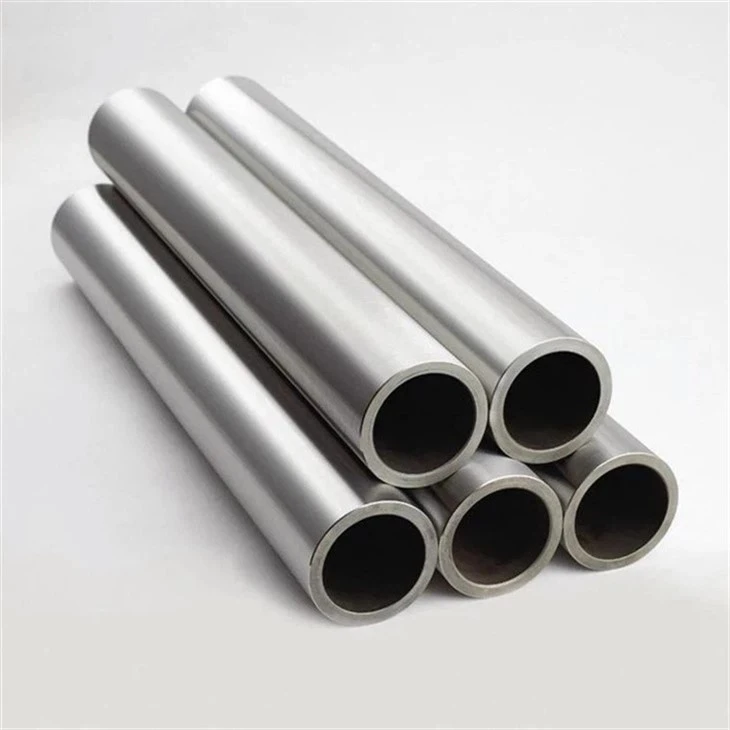
A249 Stainless Steel Tube Available Now
The [A249 Stainless Steel Tube Available Now](/stainless - steel - tube/round - pipe/a249 - stainless - steel - tube - available - now.html) is another great option. Stainless steel is known for its durability and resistance to rust. These tubes are often used in closed - loop geothermal systems because they can handle the continuous flow of the heat - transfer fluid without deteriorating over time.
Hot Selling 201 Welded Stainless Steel Pipe
The [Hot Selling 201 Welded Stainless Steel Pipe](/stainless - steel - tube/round - pipe/hot - selling - 201 - welded - stainless - steel - pipe.html) is cost - effective and widely used in geothermal installations. It has good mechanical properties and can be easily welded, making it convenient for installation. Although it may not have the same level of corrosion resistance as some other high - end stainless steels, it still performs well in many geothermal environments.
Installation Considerations
When using round pipes in geothermal systems, proper installation is crucial. The pipes need to be buried at the right depth to ensure optimal heat exchange. Generally, the deeper the pipes are buried, the more stable the ground temperature, which is beneficial for the system's efficiency.
The pipes also need to be laid out in a way that minimizes the length of the fluid path. A shorter path means less resistance and lower pumping costs. Additionally, proper insulation should be used to prevent heat loss during the fluid's circulation.
Maintenance
Maintaining round pipes in geothermal systems is relatively straightforward. Regular inspections are necessary to check for any signs of corrosion, leaks, or blockages. If any issues are detected early, they can be easily fixed, preventing more significant problems down the line.
It's also important to monitor the pressure and flow rate of the heat - transfer fluid. Any sudden changes in these parameters could indicate a problem with the pipes or the system as a whole.
Cost - Effectiveness
Using round pipes in geothermal systems can be cost - effective in the long run. Although the initial investment in high - quality round pipes may be higher than some other options, their durability and efficiency result in lower operating and maintenance costs over time. The energy savings from a well - functioning geothermal system can also offset the upfront costs.
Environmental Benefits
Geothermal systems are already environmentally friendly, and using round pipes can further enhance their green credentials. The efficient heat transfer and low energy consumption of round pipes mean that less energy is needed to power the system. This reduces greenhouse gas emissions and dependence on non - renewable energy sources.
Conclusion
So, to sum it up, round pipes are a great choice for geothermal systems. Their hydraulic efficiency, structural integrity, and heat - transfer capabilities make them well - suited for these applications. Whether you're looking at the [High - Performance AL - 6XN Steel Pipe](/stainless - steel - tube/round - pipe/high - performance - al - 6xn - steel - pipe.html), the [A249 Stainless Steel Tube Available Now](/stainless - steel - tube/round - pipe/a249 - stainless - steel - tube - available - now.html), or the [Hot Selling 201 Welded Stainless Steel Pipe](/stainless - steel - tube/round - pipe/hot - selling - 201 - welded - stainless - steel - pipe.html), there's a round pipe option for every geothermal project.
If you're interested in using round pipes for your geothermal system, I'd love to talk to you. Whether you have questions about the products, need advice on installation, or want to discuss pricing, don't hesitate to reach out. Let's work together to make your geothermal project a success!
References
- Duffie, J. A., & Beckman, W. A. (2013). Solar Engineering of Thermal Processes. John Wiley & Sons.
- Kavanaugh, S. P., & Rafferty, K. S. (2012). Ground - Source Heat Pumps: Design of Geothermal Systems for Commercial and Institutional Buildings. ASHRAE.
- Lund, J. W. (2019). Geothermal energy use in the world 2015–2019. Geothermics, 82, 101792.


