**1. What is the difference between seamless pipe and stainless steel pipe?**
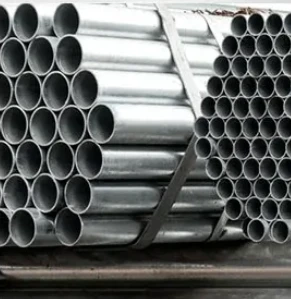
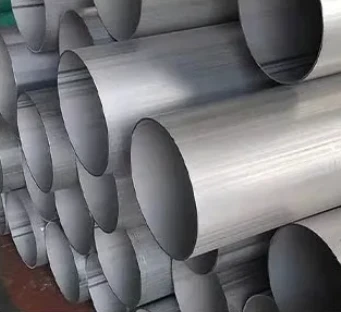
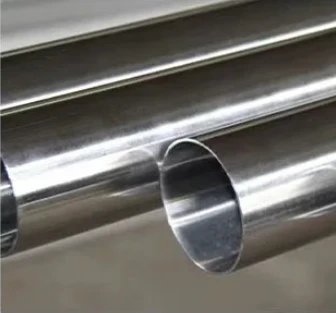
A **seamless pipe** refers to a pipe manufactured without welding seams, created through processes like extrusion or rotary piercing. It can be made from various materials, including carbon steel, alloy steel, or stainless steel. A **stainless steel pipe**, on the other hand, is defined by its material (stainless steel, which contains chromium for corrosion resistance) and can be either seamless or welded (non-seamless). The key difference is that "seamless" describes the manufacturing process, while "stainless steel" refers to the material composition.
---
**2. What is a seamless steel pipe?**
A **seamless steel pipe** is a tubular product made from steel without any welded joints. It is formed by heating a solid steel billet and piercing it to create a hollow tube, followed by rolling or drawing to achieve the desired dimensions. Seamless pipes are known for their uniform strength, high pressure resistance, and reliability in critical applications like oil/gas, chemical plants, and high-temperature environments.
---
**3. What is the difference between seamless and non-seamless stainless snorkels?**
For **stainless steel snorkels** (e.g., underwater or industrial snorkel tubes):
- **Seamless snorkels** are made from a single piece of stainless steel without welded joints, offering superior corrosion resistance, durability, and leak-proof performance, especially in harsh environments (e.g., saltwater).
- **Non-seamless (welded) snorkels** have a welded seam, which may be vulnerable to corrosion or failure at the weld line over time. They are typically cheaper but less reliable for demanding conditions.
---
**4. What is the difference between seamless pipe and line pipe?**
- **Seamless pipe** is defined by its manufacturing method (no weld) and is used in high-pressure, high-temperature, or precision applications (e.g., boilers, hydraulic systems).
- **Line pipe** refers to pipes designed for transporting fluids (oil, gas, water) and can be either seamless or welded. Line pipes are categorized by standards like API 5L and prioritize durability for long-distance pipelines, often with coatings to resist environmental damage.
---
**5. How do I know if my pipe is seamless?**
- **Visual inspection**: Check for a weld seam (non-seamless pipes often have a visible longitudinal line).
- **Markings/certifications**: Look for stamps like "SMLS" (seamless) or ASTM/API standards (e.g., ASTM A106 for seamless).
- **Documentation**: Review mill test certificates specifying "seamless."
- **Wall thickness**: Seamless pipes usually have more consistent wall thickness versus welded pipes.
- **Non-destructive testing (NDT)**: Ultrasonic testing (UT) or radiography can detect hidden seams.
Let me know if you need further clarification!