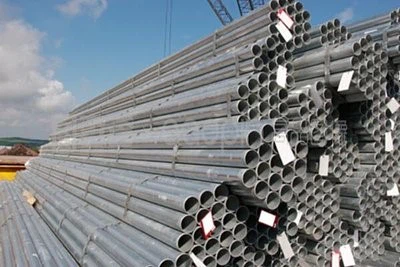
1. Definition of PED 4.3 certification
PED is the EU Pressure Equipment Directive 97/23/EC. PED4.3 material certification refers to a material certification certificate that complies with Annex 4.3 of the European Pressure Equipment Directive (PED). PED is a regulation applicable to pressure equipment in the European market, requiring certification of materials used for pressure equipment. PED 4.3 certification for steel pipes is a certification for materials such as steel pipes used for pressure equipment to comply with Annex 4.3 of the European Pressure Equipment Directive.
2. Applicable situations
For metal materials such as steel pipes used for pressure equipment to be exported to Europe or used for processing into pressure equipment exported to the EU, PED4.3 certification is required. For example, seamless steel pipes for high-temperature operations, GB/T5310 - 2017 seamless steel pipes for high-pressure boilers, etc., if you want to enter the European market or use them for processing and exporting pressure equipment to the EU, you need to undergo this certification.
3. Certification requirements
Quality system requirements
The enterprise must have an ISO9001 quality system certificate. As a material manufacturer, in order to be able to supply materials in accordance with 97/23/EC (Pressure Equipment Directive), the quality system must be certified by a notified body and must have a quality system that complies with Section 4.3 of Annex I of the Pressure Equipment Directive.
4. Testing requirements
To complete the tests specified in the standards that the steel pipes produced need to meet, product testers need to have the corresponding qualifications and capabilities to complete the required tests and control their raw materials, production processes, and product quality. The material properties of steel pipes used in equipment design, such as yield strength and impact properties, must be based on the specifications confirmed by the material manufacturer.
5. Specific audit content
PED4.3 certification audits mainly audit the production and testing related systems of the enterprise and additional PED requirements, involving factory system assessments, testing equipment, and testing personnel assessments, including non-destructive testing procedures and personnel qualification certificates, calibration certificates for monitoring and measuring equipment, heat treatment processes and records, and review of the manufacturer's ISO9000.
6. Certification process
Choose a suitable certification body: You need to choose a certification body that meets the European Pressure Equipment Directive recognition standards, and the auditing body must be an EU notified body.
Provide relevant documents and information: Provide the certification body with documents and information related to the steel pipe materials used, including material composition analysis, mechanical properties testing, heat treatment process, etc.
Conduct audits and tests: The certification body will audit and test the provided steel pipe materials to ensure that they meet the requirements of PED, which may include field audits, laboratory tests, and document reviews.
Issuance of certificates: If the steel pipe material passes the audit and test of the certification body, the certification body will issue a PED4.3 material certification certificate to prove that the steel pipe material meets the requirements of PED and can be legally used in the European market