**1. What is EFW in energy?**
EFW stands for **Energy from Waste**. It is a process that generates energy-typically in the form of electricity and/or heat-by treating non-recyclable waste. The most common method is combustion (incineration), but it can also include advanced thermal treatments like gasification and pyrolysis. The primary goal is to reduce the volume of waste sent to landfills while recovering useful energy.
**2. What is WTE?**
WTE stands for **Waste-to-Energy**. It is essentially the same as EFW (Energy from Waste). Both terms are used interchangeably to describe technologies that convert non-recyclable waste materials into usable energy, thus providing an alternative to fossil fuels and reducing landfill dependence.
**3. What is the efficiency of the EfW?**
The efficiency of an EfW plant can be measured in two ways:
* **Electrical Efficiency:** Traditional plants that only generate electricity have a typical efficiency of **around 20-25%**. This is because a significant amount of energy is lost as waste heat.
* **Overall Efficiency:** Plants that utilize **Combined Heat and Power (CHP)** or district heating systems are much more efficient. By capturing and using the waste heat to warm nearby buildings or for industrial processes, the overall energy efficiency can reach **80% or more**.
**4. What is the difference between EfW and ERF?**
The difference is primarily one of terminology and modern branding:
* **EfW (Energy from Waste)** is a broad, general term for any facility that recovers energy from waste.
* **ERF (Energy Recovery Facility)** is a more modern and specific term for a type of EfW plant that uses advanced combustion technology and stringent air pollution controls. The term "ERF" is often preferred as it emphasizes the "recovery" of energy and resources, moving away from the negative connotations of older "incinerators."
**5. What are ERW pipes?**
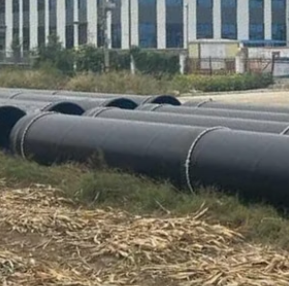
ERW pipes are **Electric Resistance Welded** pipes. This is a manufacturing process for steel pipes where the edges of a rolled steel strip are heated by passing an electric current through them and then forged together under pressure to form a weld. ERW pipes are commonly used for transporting fluids (like water, oil, and gas) and in structural applications. This term is unrelated to the energy recovery terms discussed above.