**1. What is A500 steel?**
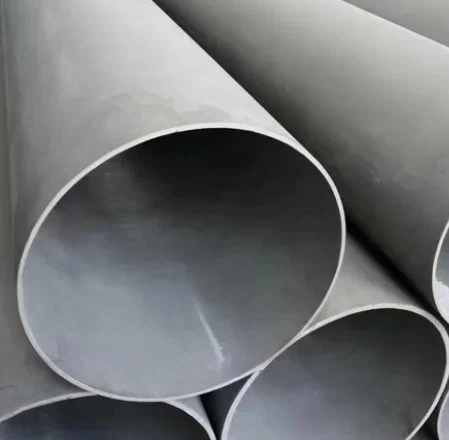
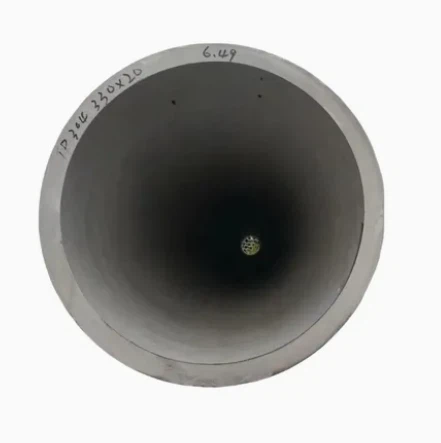
ASTM A500 is a standard specification for cold-formed welded and seamless carbon steel structural tubing in round, square, and rectangular shapes. It is commonly used in construction, bridges, and structural frameworks due to its strength, durability, and cost-effectiveness. A500 steel is available in multiple grades (A, B, C, D) with varying mechanical properties, such as yield strength and tensile strength.
---
**2. What is the difference between A36 and A500 steel?**
- **A36**: A hot-rolled carbon steel primarily used for structural shapes (e.g., beams, plates). It has a minimum yield strength of 36 ksi (250 MPa) and is suitable for bolted or riveted construction.
- **A500**: A cold-formed structural tubing (round, square, rectangular) with higher yield strengths (e.g., 42–50 ksi depending on grade and shape). It is optimized for welded structures and offers better uniformity in mechanical properties compared to A36.
**Key Difference**: A36 is hot-rolled and used for traditional structural shapes, while A500 is cold-formed tubing with higher strength for modern structural applications.
---
**3. Is ASTM A500 Grade B or C?**
ASTM A500 includes **Grade B** and **Grade C** (as well as Grades A and D).
- **Grade B**: Minimum yield strength of 42 ksi (290 MPa) for rectangular/square tubing and 46 ksi (315 MPa) for round tubing.
- **Grade C**: Higher minimum yield strength of 50 ksi (345 MPa) for rectangular/square tubing and 46 ksi (315 MPa) for round tubing.
Grade C is stronger than Grade B for rectangular/square sections and often preferred for demanding structural applications.
---
**4. What is the equivalent of ASTM A500 grade?**
ASTM A500 has international equivalents, though exact matches depend on regional standards:
- **Europe**: EN 10219 (cold-formed welded structural hollow sections).
- **Japan**: JIS G 3466 (carbon steel tubes for general structural purposes).
- **Canada**: CSA G40.21 (structural steel).
Specific grades (e.g., A500 Grade B/C) may align with EN 10219 S355J2H or similar, but mechanical/chemical requirements should be verified for equivalence.
---
**5. What is the difference between A53 and A500 steel?**
- **A53**: A pipe standard for general-purpose applications (e.g., plumbing, low-pressure fluid transport). It covers both welded/seamless pipes and has lower mechanical strength (Grade A: 30 ksi yield, Grade B: 35 ksi yield).
- **A500**: A structural tubing standard for load-bearing applications (e.g., columns, trusses). It has higher strength (Grade B/C: 42–50 ksi yield) and stricter tolerances for shape and dimensions.
**Key Difference**: A53 is for piping systems, while A500 is for structural support. A500 offers superior mechanical properties for structural integrity.