**1. Why are welded pipes preferred over seamless pipes?**
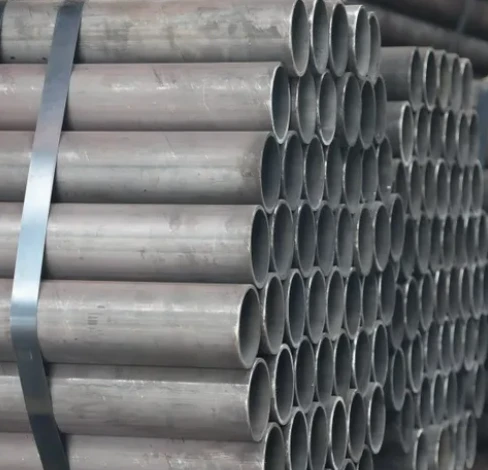
Welded pipes are often preferred over seamless pipes due to their lower cost, especially for large-diameter applications, as they are easier and cheaper to manufacture. They are also more readily available in longer lengths and can be produced with thinner walls. Welded pipes are suitable for low-to-medium pressure applications (e.g., plumbing, structural uses), where the welded seam's potential weakness is not a critical concern. Seamless pipes, while stronger, are more expensive and used in high-pressure or critical environments (e.g., oil/gas, chemical industries).
**2. Is black steel pipe seamless?**
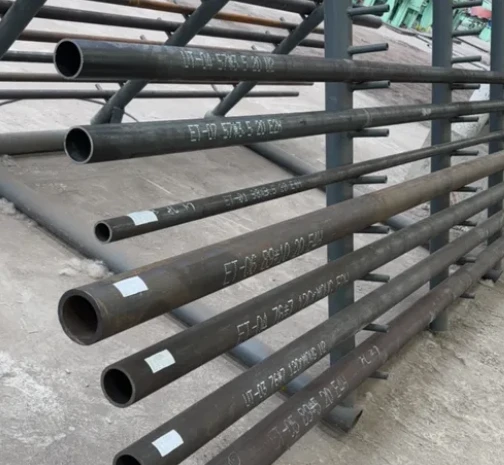
Black steel pipe can be either seamless or welded. The term "black steel" refers to the dark iron oxide coating on its surface, not the manufacturing method. For example, ASTM A53 black steel pipe is available in both seamless (Type S) and welded (Type E or Type F) forms, depending on the application requirements.
**3. What grade is seamless pipe?**
Seamless pipes come in various grades depending on material and standards. Common grades include:
- **Carbon steel**: ASTM A106 (high-temperature service), ASTM A53 (general use), API 5L (line pipe).
- **Stainless steel**: ASTM A312 (e.g., Grades 304, 316).
- **Alloy steel**: ASTM A335 (e.g., P11, P22 for high-temperature use).
The grade is selected based on mechanical properties, corrosion resistance, and application needs.
**4. What is the difference between seamless steel and carbon steel?**
This question conflates two categories:
- **Seamless steel** refers to manufacturing method (no welded seam).
- **Carbon steel** refers to material composition (primarily iron and carbon, with minimal other elements).
A seamless pipe can be made from carbon steel, stainless steel, or alloys. Carbon steel pipes, conversely, can be either seamless or welded.
**5. Can black pipe and stainless steel be used together?**
Yes, but with caution. Direct contact between carbon steel (black pipe) and stainless steel can cause **galvanic corrosion** in moist or conductive environments, as carbon steel acts as an anode and corrodes faster. To mitigate this:
- Use dielectric insulating kits or gaskets to separate metals.
- Apply protective coatings to the carbon steel.
- Ensure dry environments or regular maintenance. Compatibility depends on the application and environmental conditions.