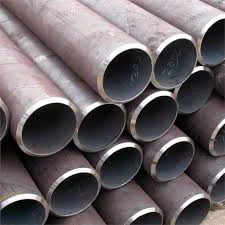
STPG370 is a grade of carbon steel pipe defined by the Japanese Industrial Standard JIS G3454. The designation provides key information about the pipe:
STP: Stands for "Steel Tube for Pressure service."
G: Indicates the use of "Carbon" steel.
370: Specifies the minimum tensile strength of 370 MPa or higher.
It is a versatile, seamless carbon steel pipe primarily designed for pressure applications at ambient and elevated temperatures.
1. Primary Uses and Applications
STPG370 is a workhorse material in various industrial sectors due to its reliable performance in pressurized systems. Its main applications include:
Piping Systems: Widely used for transporting steam, water, air, and other non-corrosive fluids in general service piping.
Boiler Tubes: Serves as a material for low-pressure boiler tubes, heat exchangers, and condenser tubes in power plants and industrial facilities.
Structural Applications: Sometimes used for mechanical and structural components where pressure resistance and strength are required.
Industrial Plants: Commonly found in chemical plants, petrochemical facilities, refineries, and shipbuilding for utility lines and process systems.
HVAC Systems: Used in heating, ventilation, and air conditioning systems for distributing hot water or steam.
2. Key Benefits and Advantages
The popularity of STPG370 stems from its well-balanced set of properties:
Excellent Weldability and Formability: As a low-carbon steel, it is easy to weld, bend, and flange using standard methods without requiring complex pre- or post-heat treatments, reducing fabrication time and cost.
Good Strength and Pressure Resistance: With a specified minimum tensile strength, it reliably contains internal pressures in a wide range of industrial applications, ensuring system integrity and safety.
Cost-Effectiveness: It offers a favorable balance between performance and cost. Its widespread availability and straightforward manufacturing process make it an economical choice for many projects.
Proven Reliability and Standardization: As a JIS standard product, it guarantees consistent quality, chemical composition, and mechanical properties. This standardization ensures predictability and reliability in engineering design.
Good Machinability: It can be easily cut, threaded, and machined, allowing for straightforward installation and modification on site.
Wide Availability: It is a globally recognized and readily available material, ensuring a stable supply chain for projects worldwide.
3. Future Development Prospects
The future for carbon steel pipes like STPG370 is shaped by global industrial trends and technological advancements:
Sustained Demand in Developing Economies: Continued infrastructure development, urbanization, and the growth of manufacturing in Asia, Africa, and other regions will drive steady demand for reliable and cost-effective piping solutions like STPG370.
Maintenance and Retrofitting of Existing Infrastructure: In mature economies, a significant market exists for maintaining, repairing, and upgrading aging industrial plants, power stations, and urban heating systems, where STPG370 remains a standard replacement material.
Competition from Alternative Materials: It will face increasing competition from higher-grade steels (for more demanding applications) and non-metallic materials like reinforced thermoplastics (for certain corrosive or lightweight applications). Its position will rely on its cost advantage in standard services.
Evolution towards Higher Performance: The steel industry is continuously improving production processes. Future developments may involve more refined versions of STPG370 with better impurity control, improved consistency, and slightly enhanced properties to meet stricter quality demands.
Focus on Lifecycle and Sustainability: As sustainability becomes more critical, the high recyclability of steel is a major advantage. The production process for STPG370 may evolve to incorporate more "green steel" practices, such as using renewable energy, to reduce its carbon footprint.
Conclusion
In summary, STPG370 is a fundamental, cost-effective, and highly versatile carbon steel pipe essential for low to medium-pressure applications across numerous industries. Its key benefits of easy fabrication, proven reliability, and low cost ensure its continued relevance. While it may not be suitable for highly corrosive or extreme high-pressure/temperature environments, its strong market position is secure due to ongoing global infrastructure needs and its role in maintaining existing industrial assets. Its future will be characterized by sustained demand, driven by its irreplaceable role in foundational industrial systems.