**1. Is alloy steel different than stainless steel?**
Yes, they are different. Alloy steel is a broad category of steel that has other elements added to it (like manganese, nickel, or boron) to enhance its mechanical properties such as strength, hardness, and wear resistance. Stainless steel is actually a specific *type* of alloy steel. What makes stainless steel unique is that it contains a very high amount of chromium (at least 10.5%), which gives it its primary characteristic: excellent corrosion and rust resistance.
**2. What is the difference between stainless steel and steel pipes?**
The term "steel pipes" most commonly refers to pipes made from carbon steel. The key difference is in their composition and primary property. Carbon steel pipes are strong and durable but will rust easily when exposed to moisture and must be painted or coated. Stainless steel pipes contain chromium, which forms an invisible protective layer that makes them highly resistant to rust and corrosion without any need for coating. Stainless steel is also more expensive than carbon steel.
**3. What is alloy steel pipe?**
An alloy steel pipe is a pipe made from steel that has been mixed with other elements (alloying elements) besides carbon. These elements, such as chromium, molybdenum, vanadium, or nickel, are added to give the pipe specific enhanced properties that carbon steel does not have. These improved properties can include higher strength, better resistance to impact at low temperatures, increased wear resistance, or improved corrosion resistance compared to standard carbon steel pipes.
**4. What are the three types of steel pipe?**
Steel pipes are often categorized by their manufacturing process. The three main types are:
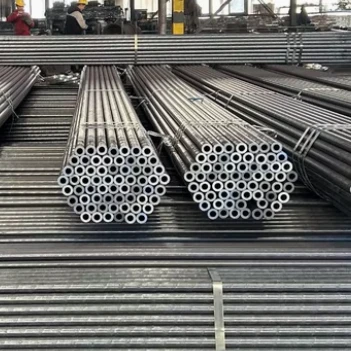
* **Seamless Pipe:** Made from a solid cylindrical steel bar (billet) that is heated and pierced through the center to form a pipe without any seams or welds. It is stronger and used for high-pressure applications.
* **Welded Pipe:** Made by rolling a steel plate or sheet into a cylindrical shape and then welding the seam together. It is more common and cost-effective for low to medium pressure applications.
* **Cast Iron Pipe:** Traditionally made by pouring molten iron into a mold. It is very brittle compared to modern steel pipes and is primarily used for municipal water and sewer lines due to its excellent corrosion resistance.
**5. What are the 5 main types of pipes?**
The five main types of pipes, based on their material, commonly used in construction and plumbing are:
* **PVC/CPVC Pipe:** A lightweight, inexpensive, and corrosion-resistant plastic pipe. PVC is used for cold water and drainage, while CPVC can handle hot water.
* **Copper Pipe:** Highly durable and resistant to corrosion, often used for water supply lines within homes. It is reliable but can be expensive.
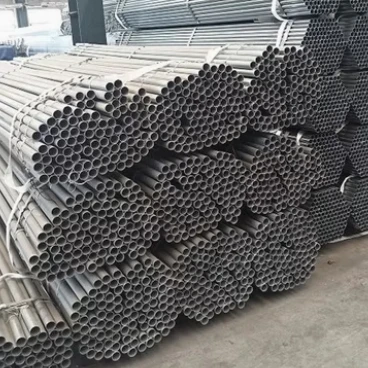
* **Galvanized Steel Pipe:** Carbon steel pipe coated with zinc to prevent rust. It was once common for water supply but is now often replaced due to internal corrosion over time.
* **PEX Pipe:** A flexible plastic tubing that is very easy to install through walls and around corners. It has become the modern standard for water supply lines in new home construction.
* **Stainless Steel Pipe:** Known for its exceptional strength and corrosion resistance. It is used in demanding applications like chemical plants, food processing, and coastal areas, as well as for stylish exposed fixtures.