


Risk Analysis
Leakage Risk
Prolonged operation may cause seal failure due to wear, corrosion, or aging, leading to medium leakage. Leakage not only causes material loss but may also trigger environmental pollution and safety incidents, particularly when handling toxic, flammable, or corrosive media.
Corrosion Risk
Chemical media (acids, alkalis, saline solutions, etc.) can corrode valve materials, reducing service life. Corrosion affects performance and may cause structural damage, increasing maintenance costs and downtime.
Electrical Failure Risk
Actuator electrical systems are vulnerable to electromagnetic interference, power fluctuations, and short circuits. Failures may prevent normal valve operation or even cause fires/explosions, especially in hazardous areas.
Mechanical Failure Risk
Components (gears, bearings, stems) may experience wear, jamming, or fracture after extended use, affecting operational performance and causing production interruptions.
Operational Error Risk
Improper maintenance or incorrect parameter settings by untrained personnel may lead to valve failures.

Preventive Measures
Regular Inspection & Maintenance
Periodic checks of seals, mechanical lubrication, and electrical testing to extend service life.
Corrosion-Resistant Materials
Select stainless steel, special alloys, or coated materials suitable for chemical environments.
Electrical Protection
Use explosion-proof actuators with electromagnetic shielding, voltage stabilization, and grounding.
Training & Procedures
Provide professional training and detailed operation/maintenance manuals.
Monitoring & Alarm Systems
Implement real-time monitoring to detect abnormalities and trigger alarms.
Conclusion
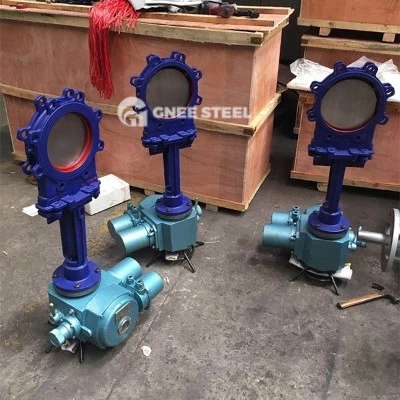
Electric gate valves face multiple risks in chemical plants. Through systematic maintenance, material selection, electrical safeguards, operator training, and monitoring systems, these risks can be effectively mitigated to ensure safe and reliable operation.


