What are the common specifications of STKM11A steel pipes?
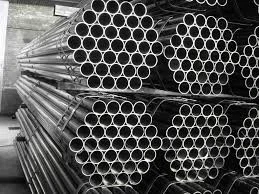
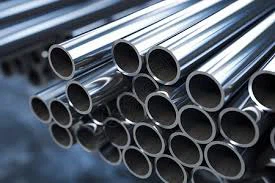
STKM11A steel pipes are commonly available in outer diameters ranging from 10mm to 610mm and wall thicknesses from 1.0mm to 50mm, meeting the requirements of various mechanical structures. Hot-rolled pipes are typically supplied in 6- or 12-meter lengths, while cold-drawn pipes offer more precise dimensional tolerances (e.g., ±0.2mm). Surface treatments include black coating (hot-rolled), pickling, sandblasting, or galvanizing. Pickled pipes are most commonly used for general machining. Special specifications (such as extra-thick walls or non-standard outer diameters) typically require custom production, resulting in longer lead times. When purchasing, it is important to select the appropriate specifications based on the intended use to avoid processing difficulties due to dimensional discrepancies.
What are the main factors affecting the price of STKM11A steel pipes?
The price of STKM11A steel pipes is significantly influenced by the cost of raw materials (billets), production processes, market supply and demand, and logistics costs. Carbon steel prices fluctuated significantly in 2023, causing the unit price of steel pipe to fluctuate between $800 and $1,200 per ton. Cold-drawn pipe, due to its higher processing precision, is 20%-30% more expensive than hot-rolled pipe, while galvanized pipe, due to its additional anti-corrosion coating, adds an additional 15%-20% to its price. Bulk purchases (e.g., over 100 tons) typically receive a 5%-10% discount, while smaller orders typically command higher unit prices. Import tariffs and transportation costs (e.g., additional ocean freight for Japanese-origin steel) also affect the final price.
What are the major producing countries and regions for STKM11A steel pipe?
Japan is the leading producer of STKM11A steel pipe, with representative manufacturers including JFE Steel, Nippon Steel, and Sumitomo Metal. Major Chinese producers include Baosteel, Ansteel, and Tianjin Steel Pipe Group. Their products offer a competitive price-performance ratio and are widely exported to Southeast Asian markets. South Korea's POSCO and India's Tata Steel also produce JIS-compliant STKM11A steel pipe, but their market share is relatively small. This grade is rarely produced in Europe and the US, with ASTM standard carbon steel pipe often used instead. When purchasing, be aware of quality control differences between manufacturers and prioritize suppliers with JIS certification.
What quality criteria should be considered when purchasing STKM11A steel pipe?
When purchasing, be sure to specify the product standard (JIS G3444), dimensional tolerance (e.g., outer diameter ±1% or higher), and surface quality (free of defects such as cracks and folds). Mechanical properties (tensile strength ≥ 330 MPa, elongation ≥ 30%) and chemical composition (C ≤ 0.12%) must meet standards, and the supplier must provide a test report. If used for critical structural components, additional non-destructive testing (such as ultrasonic testing or eddy current testing) may be required. Furthermore, confirm the packaging method (bundling or wooden crating) and anti-rust measures (oiling or anti-rust paper) to prevent damage during transportation.
What is the typical lead time for STKM11A steel pipe?
Standard STKM11A steel pipes (e.g., Φ50mm x 3mm) can be delivered within 1-2 weeks if the supplier has inventory. Non-standard sizes or special surface treatments (e.g., galvanizing) may require a production lead time of 4-8 weeks. Due to the longer sea freight time (approximately 3-4 weeks) for Japanese-origin steel pipes, the total delivery time may extend to 2 months. Chinese manufacturers, with ample production capacity, generally offer faster delivery times, especially in the Yangtze River Delta and North China regions, where expedited service is available within 7-15 days. Procurement should be planned in advance to avoid project delays due to delivery delays.