


SMLS Carbon Pipe Supplier-GNEE
- Before pickling and passivating seamless steel pipes, oil, degreasing, and surface drawing compounds and other impurities must be removed. The surface of the seamless steel pipe after pickling and passivation turns into a uniform silvery white color, which greatly improves the corrosion resistance of stainless steel.
- Phosphating of seamless steel pipes is a process in which seamless steel pipes are immersed in a phosphating solution (a solution based on some acid phosphates) and deposited on the surface to form a layer of water-insoluble crystalline phosphate conversion film. Phosphating is A process in which chemical and electrochemical reactions form a phosphate chemical conversion film. The formed phosphate conversion film is called a phosphating film, which prevents metal from being corroded to a certain extent;
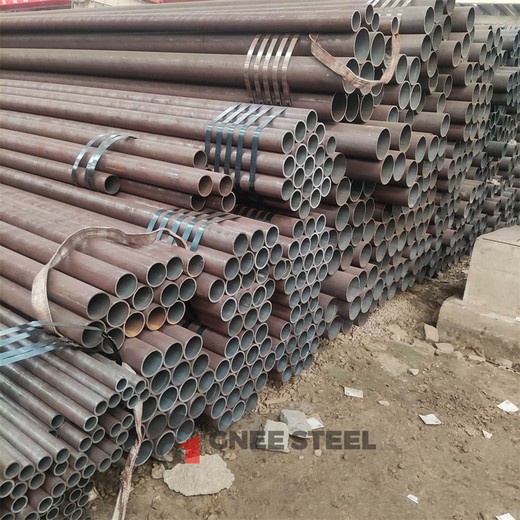
- It is used as a primer before painting to improve the adhesion and anti-corrosion ability of the paint film layer; it is used for friction reduction and lubrication in metal cold working processes.
- The "phosphating and saponification" of seamless steel pipes refers to a process of re-saponification after phosphating. It is generally used in machining processes such as drawing or stretching. After the phosphating film is generally 8-12 microns, it enters the saponification solution and is then pulled or stretched.
- The purpose of saponification of seamless steel pipes is to further increase the lubrication performance.
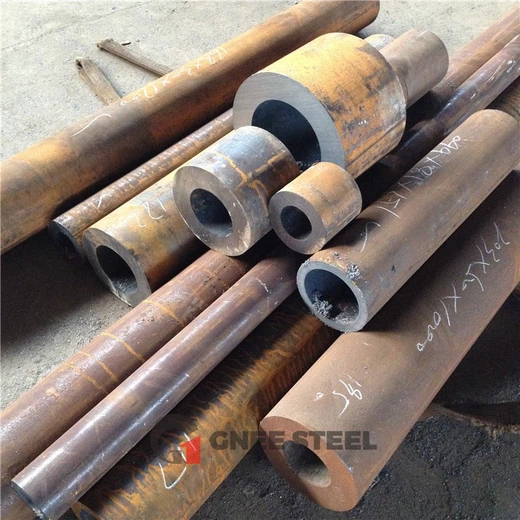
- The brief process of pickling, phosphating and saponifying seamless steel pipe operating procedures: pickling → high pressure washing → phosphating → high pressure water washing → saponification → drying → transportation and stacking.


