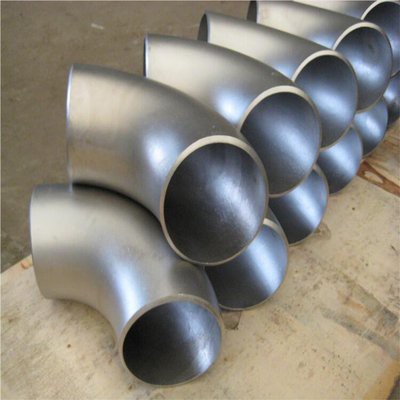
1. What is MSS?
Answer: MSS is a technical standard document used in the manufacturing industry to regulate product design, production processes, and quality control. It is typically developed by industry associations or international organizations (for example, the MSS-SP series is developed by the Manufacturers Standardization Association of the Valves and Fittings Industry in the United States). Its core goal is to ensure product consistency, safety, and interchangeability.
2. What are the main application areas of MSS standards?
Answer:
Valves and pipe fittings (for example, MSS-SP-80 specifies bronze valves);
Flanges and fittings (for example, MSS-SP-44 specifies steel pipe flanges);
Pressure equipment (for example, materials and testing requirements for pressure-containing components);
Industrial fasteners (for example, dimensions and tolerances for bolts and washers).
Note: MSS standards are commonly found in heavy industries such as petroleum, chemicals, and energy.
3. What is the difference between MSS and other standards such as ISO and ASME? A:
Developing Organization: MSS is led by industry manufacturers, while ISO/ASME is published by international or national standards organizations.
Scope of Application: MSS focuses more on specific areas (such as valves), while ISO/ASME covers a wider range (such as overall quality management systems).
Legal Effect: MSS is mostly recommended by the industry, while some sections of ASME may be incorporated into regulatory mandates.
4. How do MSS standards ensure product quality?
A: Through the following key requirements:
Material specifications (such as chemical composition, mechanical properties);
Manufacturing processes (such as heat treatment, welding processes);
Test methods (pressure testing, non-destructive testing);
Dimensional tolerances (to ensure component interchangeability).
For example, MSS-SP-55 specifies acceptance criteria for surface defects on valve castings.
5. How can companies obtain and implement MSS standards?
A:
Access: Purchase through industry association websites (such as the MSS website) or standards databases (such as IHS).
Implementation Steps:
Benchmark existing production processes;
Train technical personnel;
Introduce third-party certification (for example, API certification often references MSS standards).