In what specific areas of the liquefied natural gas (LNG) industry chain is ASTM A333 Gr.8 steel pipe used?
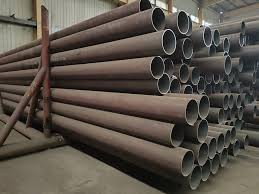
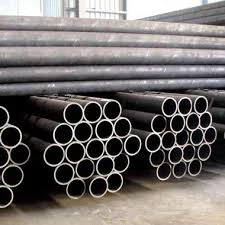
ASTM A333 Gr.8 steel pipe plays a crucial role in the LNG industry chain. It is primarily used in process piping systems within LNG receiving terminals and liquefaction plants, such as transfer lines connecting liquefaction modules, cold boxes, and regasification modules. It is also commonly used for inlet and outlet piping of LNG storage tanks and for BOG (boil-off gas) recovery piping. These pipes are subjected to cryogenic temperatures of -162°C for extended periods, placing extremely high demands on material safety. Gr.8 steel pipe ensures the safe and stable transmission of energy media in these critical processes.
Besides LNG, what other cryogenic media is it suitable for?
Due to its extremely low operating temperature (-195°C), ASTM A333 Gr.8 steel pipe is ideal for handling a variety of cryogenic liquefied gases. It is widely used in the production and transportation of liquid nitrogen (-196°C) and liquid oxygen (-183°C), and is commonly found in air separation plants, the chemical industry, and the steel industry. It can also be used in applications involving cryogenic chemical media such as liquid argon (-186°C) and ethylene (-104°C). When selecting, ensure that the design temperature of the media is lower than the material's rated temperature.
What is its typical role in an air separation unit (ASU)?
ASUs separate air through deep freezing, resulting in extremely low internal temperatures. ASTM A333 Gr.8 steel pipe is primarily used in these units for product piping transporting liquid oxygen, liquid nitrogen, and liquid argon. These pipes lead from cold boxes to cryogenic storage tanks or filling stations. Because oxygen is highly combustible, it places special demands on the cleanliness and combustion resistance of the piping material. While Gr.8 steel pipe meets cryogenic performance requirements, it also requires rigorous degreasing and cleaning to ensure safety in oxygen-rich environments.
Why aren't austenitic stainless steels (such as 304/316L) used in these critical applications?
While austenitic stainless steels (such as 304L) also offer excellent low-temperature toughness, Gr.8 is a more suitable choice in certain circumstances. First, 9Ni steel is significantly stronger than 304/316L stainless steel. This allows for thinner pipe walls while maintaining the same pressure, saving material and space. Second, its coefficient of thermal expansion is closer to that of carbon steel, simplifying system design. Furthermore, Gr.8's performance advantages are even more pronounced in applications involving extremely low temperatures and requiring exceptional strength, such as the outlet piping of certain high-pressure cryogenic pumps.
Is it used for structural support components in cryogenic environments?
Yes. In addition to process piping, ASTM A333 Gr.8 material (in the form of pipe, plate, or extrusion) is also commonly used in the manufacture of cryogenic structural support components, such as hangers, brackets, and ladderways within LNG storage tanks. These components are also exposed to cryogenic temperatures and must be protected from brittle fracture to ensure the structural safety of the entire facility. For structural applications, the material must comply with ASTM A333 or related structural steel standards and meet the corresponding cryogenic impact energy requirements.