What preparations should be made before installing galvanized steel pipes?
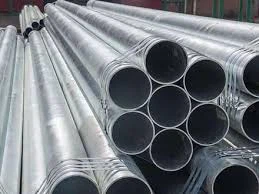
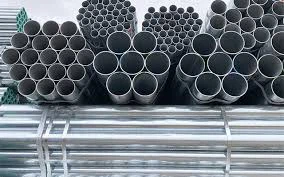
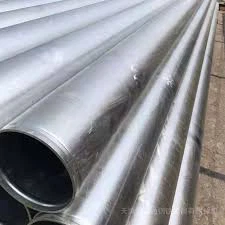
Before installation, the appearance of the galvanized steel pipe should be checked to ensure that there are no defects such as cracks and zinc layer shedding. The pipes should be measured and cut according to the design drawings, and the cuts should be polished to avoid damaging the sealing materials. Prepare suitable connectors (such as flanges, threaded joints) and tools (such as pipe clamps, cutting machines). Clean impurities inside and outside the pipe to prevent blockage or affect the sealing of the connection. Finally, ensure that the working environment is dry and ventilated, especially when welding, zinc vapor accumulation should be avoided.
Which is more suitable for galvanized pipes, threaded connection or welding?
Threaded connection is more suitable for small-diameter (DN50 or less) galvanized steel pipes because it is easy to operate and does not need to damage the zinc layer. Welding will burn the zinc layer and produce toxic gases, and special processes are required (such as removing the zinc layer first and then adding zinc). Large-diameter high-pressure pipelines are usually welded, but ventilation and protective measures must be taken. The sealing of threaded connections is poor and needs to be used with raw tape or sealant. When choosing a connection method, the pipe diameter, pressure level and construction conditions must be considered comprehensively.
How to avoid zinc layer damage during installation?
Use nylon slings or soft pads during transportation to prevent the wire rope from directly rubbing the zinc layer. Use cold cutting tools (such as sawing machines) when cutting to reduce zinc layer oxidation caused by high temperature. Use a special pipe bender when bending to prevent the zinc layer from cracking or peeling. Avoid rough knocking during installation, and use a rubber hammer or wooden pad for protection. Finally, apply zinc-rich paint to the joints to make up for the zinc layer that may be damaged during installation.
How to deal with galvanized steel pipe leakage in an emergency?
For small-scale leakage, rubber pads and pipe clamps can be used to temporarily tighten to prevent water from spreading. If the threaded connection leaks, it can be disassembled and rewrapped with raw tape and tightened. Welding seam leakage requires draining the pipe and temporary sealing with epoxy resin. For corrosion perforation, plugging glue or steel plate clamps can be used to fix it, but the pipe section needs to be replaced as soon as possible. After emergency treatment, it is still necessary to arrange for professional personnel to perform thorough repairs to avoid the problem from worsening.
What are the specific steps for regular maintenance?
Check the outer wall of the pipeline every six months, paying special attention to the damage and rust of the zinc layer. Clean the surface of the pipeline with a soft cloth to remove dust and corrosive pollutants. Grind the parts where the zinc layer has fallen off and spray zinc-rich paint to restore the anti-corrosion performance. Test the tightness of the pipeline system, such as pressure testing or infrared leak detection. Record maintenance and create files to track the overall status of the pipeline.