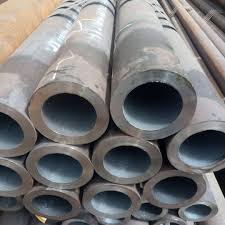
8. Comparison with Other Pipe Materials
Q1: How does A53B compare to A500 structural pipe?
A1: A53B is designed for pressure applications with stricter chemical composition controls, while A500 is optimized for structural strength in construction. A500 has higher yield strength (up to 50,000 psi) but isn't rated for pressure containment. A53B undergoes hydrostatic testing and has more stringent weld requirements. For non-pressure structural applications, A500 often provides better cost efficiency. Both can be galvanized, but A53B is preferred when internal fluid containment is required.
Q2: What advantages does A53B have over PVC piping?
A2: A53B offers superior temperature resistance (up to 400°F vs. PVC's 140°F limit), better impact resistance, and higher pressure ratings. It's non-combustible and maintains strength in sunlight (unlike UV-degradable PVC). Metal pipes provide better fire resistance in buildings and don't become brittle at freezing temperatures. However, PVC is lighter, easier to install, and completely corrosion-resistant in chemical environments where steel would fail.
Q3: When should A53B be used instead of copper pipe?
A3: A53B is preferable for:
Larger diameter applications (over 4") where copper becomes cost-prohibitive
High-pressure steam systems (copper softens at elevated temps)
Structural applications requiring greater mechanical strength
Situations where theft risk exists (copper has higher scrap value)
Potable water systems in areas with aggressive water chemistry that attacks copper
Q4: How does A53B differ from stainless steel pipes?
A4: While stainless steel (e.g., 304/316) offers superior corrosion resistance, A53B is significantly more economical. Stainless steel maintains strength at higher temperatures and is preferred for:
Highly corrosive environments
Food/pharmaceutical applications
High-purity systems
A53B with proper coatings is sufficient for most general industrial and construction uses where corrosion can be managed.
Q5: What makes A53B preferable to ductile iron pipe?
A5: A53B offers:
Lighter weight for easier handling/installation
Better suitability for above-ground applications
Higher pressure ratings in smaller diameters
More versatile welding/fabrication options
Smoinner interior surfaces for better flow characteristics
Ductile iron excels in buried applications where its corrosion resistance and rigidity are advantageous.