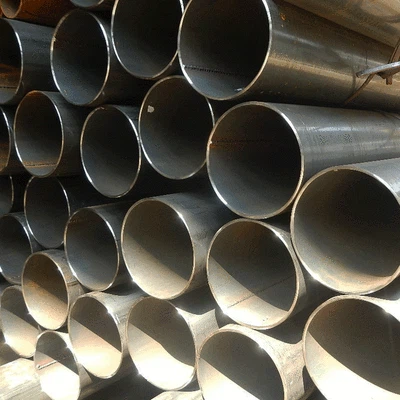
1. What distinguishes CJH115 Class 21 from other classes?
Class 21: Hydrostatic test pressure of 21,000 psi (145 MPa), higher than Class 20 (20K psi).
CJH115: Requires Charpy V-notch impact testing at -115°F (-81°C) with longitudinal specimens (J) and high-strength (H) material.
2. Typical applications?
Ultra-high-pressure cryogenic systems: LNG storage tanks, ethylene cracking plants.
Arctic/subsea pipelines: Where low-temperature toughness and pressure resistance are critical.
3. Key mechanical properties?
Tensile strength: ≥75 ksi (517 MPa)
Yield strength: ≥45 ksi (310 MPa)
Impact energy: ≥25 ft-lb (34 J) at -115°F
Elongation: ≥18% (2" gauge length).
4. Chemical composition highlights?
Carbon: ≤0.25% (to ensure weldability and toughness).
Manganese: 0.80–1.40% (enhances strength and low-T performance).
Microalloying: May include Nb/V/Ti for grain refinement.
5. Fabrication and testing requirements?
Mandatory 100% radiography for weld integrity.
Post-weld heat treatment (PWHT) to relieve stresses.
Batch traceability for material certification.