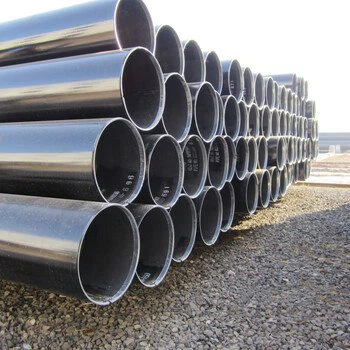
1. What is ASTM A671 CF70 Class 71?
Answer:
ASTM A671 specifies electric-fusion-welded steel pipes for low-temperature and pressure applications. The CF70 Class 71 variant denotes:
Grade: Carbon steel with a minimum yield strength of 71 ksi (490 MPa).
Fabrication: Pipes are longitudinally welded from plates/sheets.
Service Temperature: Suitable for environments as low as -50°F (-45°C).
Note: Class 71 is a less common variant; Class 70 is more widely referenced in the standard.
2. Chemical Composition Requirements for CF70 Class 71?
Answer:
Key element limits (weight % max, unless noted):
C (Carbon): 0.30%
Mn (Manganese): 1.20%
P (Phosphorus): 0.035%
S (Sulfur): 0.035%
Si (Silicon): 0.10–0.35% (enhances deoxidation).
Difference from Class 70: Slight adjustments in mechanical properties (e.g., yield strength).
3. Mechanical Properties of CF70 Class 71 Pipes?
Answer:
Tensile Strength: 80–100 ksi (550–690 MPa).
Yield Strength: ≥71 ksi (490 MPa) (primary distinction from Class 70).
Elongation: ≥18% (varies with thickness).
Impact Testing: Mandatory Charpy V-notch at -50°F (-45°C).
4. Typical Applications of ASTM A671 CF70 Class 71?
Answer:
Used in critical low-temperature services:
Cryogenic storage tanks (LNG, liquid nitrogen).
Refrigeration systems in chemical plants.
Power generation coolant pipelines.
Advantage: Balances weldability and toughness for sub-zero conditions.
5. How to Differentiate CF70 Class 71 from Similar Standards?
Comparison Table:
| Aspect | ASTM A671 CF70 Class 71 | ASTM A672 (Similar Welded Pipes) |
|---|---|---|
| Yield Strength | 71 ksi (490 MPa) | 65–70 ksi (448–483 MPa) |
| Welding Method | Electric fusion welding | Similar, but A672 focuses on higher temps |
| Key Use Case | Cryogenic pressure vessels | High-pressure, moderate-temperature |
Additional Notes:
Testing: Requires hydrostatic tests and NDE (e.g., radiography) per ASTM A671.
Availability: Class 71 may need customization; confirm with manufacturers.