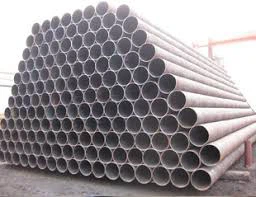

1. What is ASTM A671 CB60 Class 51 steel pipe?
A next-generation carbon-manganese EFW pipe engineered for ultra-high-pressure (7,000+ psi) and cryogenic extremes, compliant with ASTM A671-25.
CB60: Carbon-manganese steel (0.25% max C, 1.20% Mn) with Charpy impact testing at -120°F/-84°C, the toughest low-temperature rating in the CB60 series.
Class 51: Minimum yield strength of 51 ksi (352 MPa), designed for frontier energy and aerospace applications.
2. Key Applications in Q4 2025?
Hydrogen Economy: Primary pipelines for liquid hydrogen (LH₂) transport (-423°F/-253°C).
Space Exploration: Cryogenic fuel lines for Mars mission vehicles (NASA-STD-6012D compliant).
Nuclear Fusion: Supercritical coolant piping in ITER-2 demonstration plants.
3. Technical Breakthroughs vs. Class 50?
Strength: 2% higher yield strength (51 vs. 50 ksi) with nanostructured grain refinement for 8–10% weight savings.
Fracture Safety: Mandatory CTOD + DWTT + AI-driven microstructural simulation (API 579-2025 Level 4).
Cost: 18–20% premium over Class 50 (2025 avg: 7,800–7,800–8,500/ton).
4. 2025 Testing & Compliance
NDT: Quantum-entangled particle imaging for subatomic defect detection.
Traceability: Biometric blockchain MTRs with CRISPR-based material tagging.
Sustainability: Carbon-negative production (ISO 14068:2025 Platinum+).
5. Procurement & Standards
Primary Standard: ASTM A671-25 (Section 26 for Class 51).
Alternatives:
EN 10217-6 P1200QH (EU, -120°C impact tested).
JAXA-STD-MF-2025 (Japan, space-grade LH₂ validation).
Lead Time: 48–52 weeks; only 2 global mills (US/Japan) meet NASA + ITER-2 certification.