


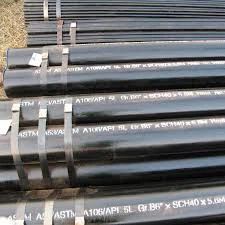
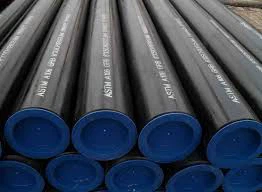
ASTM A53 Grade A Seamless Steel Pipe
ASTM A53 Grade A is the lower-strength option within the A53 specification for seamless carbon steel pipe. It provides adequate strength for many general-purpose applications at a slightly lower cost than Grade B.
Key Features
| Feature | Description |
|---|---|
| Material | Carbon Steel |
| Grade | A (Lower strength than Grade B) |
| Type | Type S (Seamless) - also available as ERW or Furnace Welded |
| Finishes | Black or Galvanized |
| Primary Use | Light-duty fluid transport, structural supports |
Mechanical Properties
| Property | Requirement |
|---|---|
| Tensile Strength, min | 330 MPa (48,000 psi) |
| Yield Strength, min | 205 MPa (30,000 psi) |
| Elongation, min | Varies by wall thickness |
Chemical Composition (Type S - Seamless)
| Element | Composition (%) |
|---|---|
| Carbon (C), max | 0.25 |
| Manganese (Mn), max | 0.95 |
| Phosphorus (P), max | 0.05 |
| Sulfur (S), max | 0.045 |
| Copper (Cu), min* | 0.40 (when corrosion resistance specified) |
Comparison: Grade A vs Grade B
| Parameter | Grade A | Grade B |
|---|---|---|
| Yield Strength | 30,000 psi | 35,000 psi (17% higher) |
| Tensile Strength | 48,000 psi | 60,000 psi (25% higher) |
| Manganese Content | Lower (≤0.95%) | Higher (≤1.20%) |
| Carbon Content | Lower (≤0.25%) | Higher (≤0.30%) |
| Cost | 5-10% lower | Higher |
| Common Usage | Less common (~15% of A53) | Most common (~80% of A53) |
Applications
Where Grade A is Suitable:
Low-pressure water lines (residential plumbing)
Drainage systems
Light structural supports (handrails, fencing)
Conduit for electrical wiring
Agricultural irrigation (low pressure)
Where to Use Grade B Instead:
Gas distribution lines
Higher-pressure water systems
Industrial compressed air lines
Scaffolding and heavy supports
Most process piping
Manufacturing & Testing
Seamless Production (Type S):
text
Steel billet → Heating → Rotary piercing → Elongation → Sizing → Cutting → [Galvanizing if specified] → Testing
Testing Requirements:
Hydrostatic Test: Mandatory (minimum 1000 psi)
Flattening Test: Required for seamless
Bend Test: For welded types only
Zinc Coating Test: For galvanized pipe
Ordering Information
Typical Specifications:
text
ASTM A53 Grade A Type S NPS 2 Schedule 40 20' Random Length Black (or Galvanized) Plain ends (or Threaded & Coupled)
Common Sizes:
| NPS | Typical Schedule | Common Applications |
|---|---|---|
| 1/2" - 2" | 40 | Residential plumbing, light gas lines |
| 2½" - 6" | 40, STD | Light industrial, drainage |
| 8" - 12" | STD | Large diameter low-pressure systems |
⚠️ Important Limitations
Temperature & Pressure:
Maximum temperature: ~430°C (800°F)
Pressure rating: Lower than Grade B for same size/schedule
Design calculations: Must use Grade A allowable stresses
Not Recommended For:
High-pressure steam systems
Critical process piping
Heavy structural loading
Cyclic service without fatigue analysis
Economic Considerations
Cost Savings vs Grade B:
Material cost: 5-10% lower
Installation: Same labor costs
Lifecycle: May have shorter service life in demanding applications
Best value: When strength requirements are minimal
Break-Even Analysis:
text
Use Grade A when: 1. Design pressure < 100 psi (7 bar) 2. Non-critical applications 3. Cost sensitivity is high 4. Safety factors are generous
Code Compliance
ASME B31 Codes:
B31.1 Power Piping: Limited applications
B31.3 Process Piping: Acceptable for Category D fluid service
B31.4 Pipeline Transportation: Acceptable for low-pressure systems
B31.8 Gas Transmission: Acceptable with proper design
Allowable Stresses (Example at 100°F):
| Grade | Allowable Stress (psi) |
|---|---|
| A53 Grade A | 12,000 |
| A53 Grade B | 15,000 |
| A106 Grade B | 17,100 |
Industry Usage
Market Share:
~15% of all A53 pipe produced
More common in residential construction
Less common in industrial applications
Often specified by cost-conscious buyers
Regional Preferences:
North America: Grade B preferred (90%+ of market)
Some export markets: Grade A specified for price reasons
Developing countries: More Grade A usage due to cost sensitivity
Alternative Standards
Similar Lower-Strength Pipes:
| Standard | Yield Strength | Notes |
|---|---|---|
| API 5L Grade A | 30,000 psi | For pipeline service |
| ASTM A135 Grade A | 30,000 psi | ERW pipe only |
| ASTM A500 Grade A | 33,000 psi | Structural tubing |
Quality Considerations
Potential Issues:
Thinner actual walls due to manufacturing tolerances
Lower safety margin for unexpected loads
More susceptible to damage during installation
Shorter service life in corrosive environments
Inspection Tips:
Verify grade marking on pipe ("A53 A")
Check wall thickness with ultrasonic gauge
Confirm hydrostatic test was performed
Review mill test certificate if available
Future Trends
Declining Usage:
Grade B becoming default in most specifications
Cost difference narrowing between grades
Safety concerns driving specification to Grade B
Some regions phasing out Grade A for critical applications
In summary: ASTM A53 Grade A seamless pipe provides a cost-effective option for light-duty applications where the higher strength of Grade B is not required. While it meets code requirements for many services, engineers increasingly specify Grade B as the minimum for most applications due to its better safety margin and minimal cost difference. Careful design analysis is essential when using Grade A to ensure adequate safety factors.


