


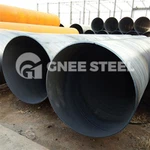


Differences Between SSAW, LSAW, And ERW Pipes
Pipes are the backbone of many industries, serving as conduits for liquids, gases, and other materials. Each type of pipe has its own set of characteristics that make it suitable for specific applications. In this article, we will explore the differences between SSAW, LSAW, and ERW pipes, shedding light on their unique features and applications.
SSAW Pipe
A. Definition and Explanation of SSAW Pipe
SSAW pipe, also known as spiral submerged arc welded pipe, is manufactured using a spiral welding process. This method ensures a consistent and uniform weld, which contributes to the structural integrity of the pipe.
B. Advantages of SSAW Pipe
A significant advantage of SSAW pipes is their ability to withstand high pressures. This makes them ideal for conveying fluids in challenging environments. Additionally, the spiral welding process allows for larger diameters, which increases the overall capacity of the pipe.
C. Applications of SSAW Pipes
SSAW pipes can be applied in a variety of industries, including oil and gas, water transportation, and structural construction. Their versatility makes them a popular choice for projects with different requirements.
LSAW Pipes
A. Definition and Description of LSAW Pipes
LSAW pipes are made using a longitudinal welding process. The technique involves using large sheets that are cold formed into the desired shape before welding.
B. Key Features of LSAW Pipes
LSAW steel pipes are known for their high strength and superior performance in harsh conditions. Longitudinal welding ensures a strong bond, making these pipes suitable for applications where structural integrity is critical.
C. Industries where LSAW Pipes are commonly used
The strong nature of LSAW pipes makes them a top choice in industries such as construction, shipbuilding, and infrastructure development. Their durability and reliability contribute to their widespread use in demanding projects.
ERW Pipes
A. Description of ERW Pipes
ERW pipes are produced using the electric resistance welding process. During this process, the edges of the steel sheets or coils are heated and fused together to form a seamless joint.
B. Unique Features and Benefits of ERW Pipes
ERW pipes are known for their precision and high-quality surface finish. There are no welds along the length of the pipe, enhancing its strength and reliability. ERW pipes are typically used in low- to medium-pressure applications.
C. Common Applications of ERW Pipes
The versatility of ERW pipes makes them suitable for a wide range of applications, including pipelines, fencing, and infrastructure projects. Their cost-effectiveness and ease of installation make them popular across industries.
Hot Tags: differences between ssaw, lsaw, and erw pipes, China differences between ssaw, lsaw, and erw pipes manufacturers, suppliers, SPRIAL STEEL PIPE, Low alloy steel pipes, A335 P11 P12 alloy steel welded pipes, GB T700 2006, Welded steel pipes for low pressure fluid transportation, GB T 13793 LSAW Pipe
You Might Also Like


Send Inquiry